
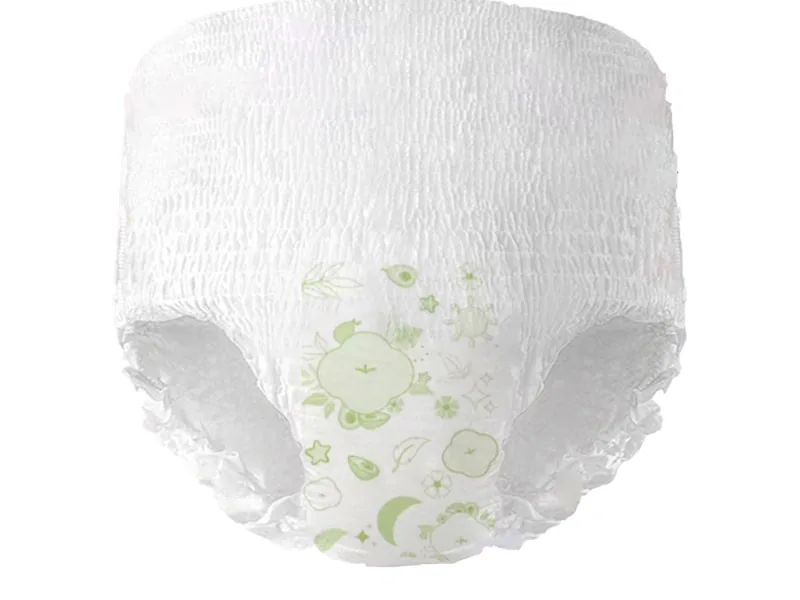
A Brazilian buyer can send a container of pants back without finding a defect. The garment measures correctly at the factory gate, the carton weighs what the packing list says, the bag is printed exactly as approved. It fails because the letter on that bag, G, measures what the buyer's own table calls M. Nothing was made wrong. Two size conventions met, and only one of them had ever been written down.
Why the Letter on the Bag Is a Convention
Brazilian retail talks in letters: PP, P, M, G, GG. Each letter points at a body range rather than at a garment, and that range is set by the retailer's table, not by the plant. Two chains can print the same letters over different bodies and both be right inside their own stores. A specification written only in letters therefore travels with an unwritten half.
Calling it an industry standard would be the comfortable answer and the false one. There is no single national table that a factory in Guangdong can measure against. What exists is a document, held by the buyer, that says which body each letter is meant to cover. Ask for that document, not for a size chart.
Three Numbers Sit Behind One Letter
Three measurements can each be called the waist. The first is the garment lying flat and relaxed. The second is the same garment pulled out to the extension a wearer will actually use. The third is the body range the letter is supposed to serve. A plant controls the first two. Only the buyer controls the third.
Here is the mechanism that makes a ladder drift. The waistband is a laminate with an elastomeric component, and its extension is a property of that material. The stretch available, measured in absolute distance, does not grow in step with the garment. So as the size goes up, a fixed comfort allowance eats a larger share of the range. A ladder built by scaling the relaxed flat width by a constant will feel tighter at the top than at the bottom, with no single measurement out of tolerance.
That claim is falsifiable. Measure one piece per letter, relaxed and then extended, and plot the gap between the two numbers. If the gap stays flat while the flat width grows, the ladder is being graded on the wrong axis.
Grading Has to Move Two Axes, Not One
A pant is a garment, not a stack. It has a rise, a leg opening and a waist, and those three do not scale together by default. Widen the waist and leave the rise alone, and the band sits lower on the body with every step up the ladder. The wearer does not report that as a garment that is too small. She reports that it does not fit, and the review says so in public.
So the ladder has to be graded in both directions, and the leg opening has to follow the rise rather than the waist. Where a range is extended upward, the rise is usually the first number re-cut and the last one mentioned in a quotation.
The Waist You Measure on Arrival Is Not the Waist You Packed
Pants are stacked, compressed and sealed, then spend weeks inside a carton. An elastomeric laminate takes a set under that compression, and the set depends on how deep the stack was compressed, how warm the container became, and how long the two were together. Recovery afterwards is real, but it is partial and slow.
This is why two honest measurements can disagree. The factory measures a garment that has rested on a table. The buyer measures one that has just been cut out of a compressed stack, and a tape laid on that stack reads short.
The fix is procedural rather than commercial. Write the state into the acceptance line: flat, untensioned, after a stated rest period, and then extended to a stated extension. Record both numbers on the same sheet. A deviation that appears at every letter points at the elastic lot. A deviation that grows with size points at the grading.
Four Sizes, One Declaration, Four Print Plates
Sanitary pads and disposable menstrual pants fall under the same customs heading, so the size variants of one product are not separate declarations. A range with four letters is one line on the entry and four codes on the shelf. That part is cheap.
The printing is not. Every letter printed on a bag is a plate, and every plate is a setup. Add a size in the middle of a season and the cost is not the extra fabric. It is the new plate, the new artwork approval, and a second code opened on a product file that had been closed. That is the practical reason the ladder has to be settled before the artwork, and not after the first reorder. A sanitary pants supplier in Brazil cannot recover that setup from a price agreed for four letters.
Who Owns the Table That Decides the Letter
The table belongs to the buyer. A plant can measure a garment to the millimetre and still not know what a letter means in a market it does not sell in. In Brazil the product file for a health-regulated item is held by a company established there, and that same company answers for the label. Neither of those sits with the supplier, and a supplier who implies otherwise is selling a promise it cannot keep.
The useful request is therefore narrow: send the table with the anchor dimension marked, in the units you will measure in, together with the letter each anchor is meant to serve. Most sizing arguments end at that sentence. A sanitary pants manufacturer in Brazil is being asked to translate, and translation needs the source text.
What to Send Before the Plate Is Cut
Five items close the gap between a quotation and a garment that fits the shelf it is aimed at. Any sanitary pants supplier in Brazil would recognise all five, and most have been handed a brief that carried two of them.
- The letter set, in the order the retailer uses it, from the smallest size upward.
- The anchor dimension for each letter, named in words rather than implied by a photograph.
- The units, and whether the measurement is taken flat, relaxed or extended.
- The rise for each letter, if the range runs beyond the middle sizes.
- Which letters share a bag size, so that one plate can serve more than one code.
If two of those are missing, a sample will still be approved. It will simply be approved against the supplier's own assumptions, and the first container will carry them across the ocean.
Where the Cost Lands When the Letter Is Wrong
A wrong letter is a consumer-facing error, and it is priced differently from a defect. A defect can be claimed against a batch, with photographs and a retained sample. A letter that fits badly produces returns, markdowns and reviews spread across an entire season, and none of those arrive as a claim with an invoice behind it.
That asymmetry is worth understanding before the argument about responsibility starts. The supplier can only be held to the numbers it was given. The buyer owns the table, so the buyer owns the mapping, but the buyer rarely feels that until the second season, when the shelf is already carrying the wrong letters.
Where a Sanitary Pants Supplier in Brazil Earns Trust
Buyers who search for a sanitary pants supplier in Brazil are usually comparing plants that can serve the market, not plants inside it. We have run ours since 1998, we ship from China and do not hold stock locally, and the part of the conversation we can actually control is the part before the plate is cut: the anchor, the grading, and the state in which the garment is measured.
If you import sanitary pants from China to Brazil, the mapping is the first thing to fix and the last thing anybody sends. Start with the letters and the rest of the specification has something to hang on. The same logic runs through sanitary pants wholesale in Brazil: a distributor buying four letters for one season is buying four plates and one artwork approval, so the minimum order quantity that matters is the one per letter, not the one per container.
Send us the letter set and the anchor you measure against, and we will mark which of the five items above will change a plate. The buying guide covers the rest of the brief, and this form reaches the trade desk directly.
Frequently Asked Questions
Why does a Brazilian size letter not match a measured waist?
Because the letter names a body range set by the retailer's table, not a garment dimension. Two chains can use the same letters over different bodies, so the letter has to be translated into an anchor measurement before it can be produced or checked at all.
Which waist measurement should be written into the specification?
Write two. One is the flat relaxed waist after a stated rest period, in stated units. The other is the same waist extended to a stated extension. A single number without a state is the most common reason a buyer and a factory disagree while both are measuring honestly.
Why do larger sizes feel tighter when the ladder looks correct?
The band's available stretch is a property of the laminate and does not grow in step with the garment, so a fixed comfort allowance takes a larger share of the range as sizes increase. Widening without re-cutting the rise also makes the band sit lower, which reads as a poor fit.
Does adding a size mid-season require new printing plates?
Yes, if the letter is printed on the bag. Each letter is its own plate and its own artwork approval, and the new code has to be opened on the product file as well. Settling the full letter set before the plates are cut is cheaper than adding a size after the first reorder.
Who is responsible if the size letters do not fit the market?
The buyer, because the table that maps a letter to a body belongs to the retailer and not to the plant. A supplier can be held to the dimensions and states it was given. Returns and markdowns from a poor fit rarely arrive as a claim, which is why the mapping gets fixed late.


