OEM, Private Label, or ODM: Choose the Model Before the Product
2026-10-29
Most first-time hygiene-brand founders come to us with factory questions. "Can you make this?" "What's your MOQ?" "How cheap can it go?"
Those are the wrong first questions.
The decision that actually shapes your next three years isn't the supplier. It's the model — OEM, ODM, or private label. Get it wrong and you either pay for capability you don't need, or quietly give away the one thing that makes you different.
Three models, three homes for your edge
The labels get muddy fast, so I'll use plain terms:
- Private label. The factory already has a finished product. You put your brand, your pack, your story on it. Your edge lives in marketing and distribution — not in the product itself.
- OEM. You bring the spec — top sheet, core, shape. The factory builds to your drawing. Your edge lives in the product design you own.
- ODM. The factory develops the product with you, from a brief, and you take it to market. Your edge lives in the partnership and how fast you get there.
None is "better." They simply put your scarce attention in different places.
The mistake I see most
A founder with a real insight — say, a cooler-feel daily pad for hot climates — will sometimes open a private-label catalog, pick a SKU, and then wonder why every competitor looks the same. Under private label, the product is everyone's product. The insight was the asset. Private label spent it.
The reverse mistake is just as common: a founder with a pure distribution play — strong retail relationships, no product team — insists on a fully custom OEM spec, then stalls for six months on decisions they don't actually care about.
How we walk founders through the choice
We don't open with a catalog and a quote. We ask two questions first:
- Where does your edge live — product, or go-to-market? If product, we lean OEM or ODM and protect the spec. If go-to-market, private label gets you to shelf faster and your money flows to the channel, not the lab.
- What can you actually staff? Owning a spec means owning the testing, the revisions, the version control that comes with it. If that's not you yet, ODM lets the factory carry the development while you stay close to the brief.
This is the same first-principles habit we wrote about in the Founder's Playbook: name the constraint before you name the solution.
What this looks like on our floor
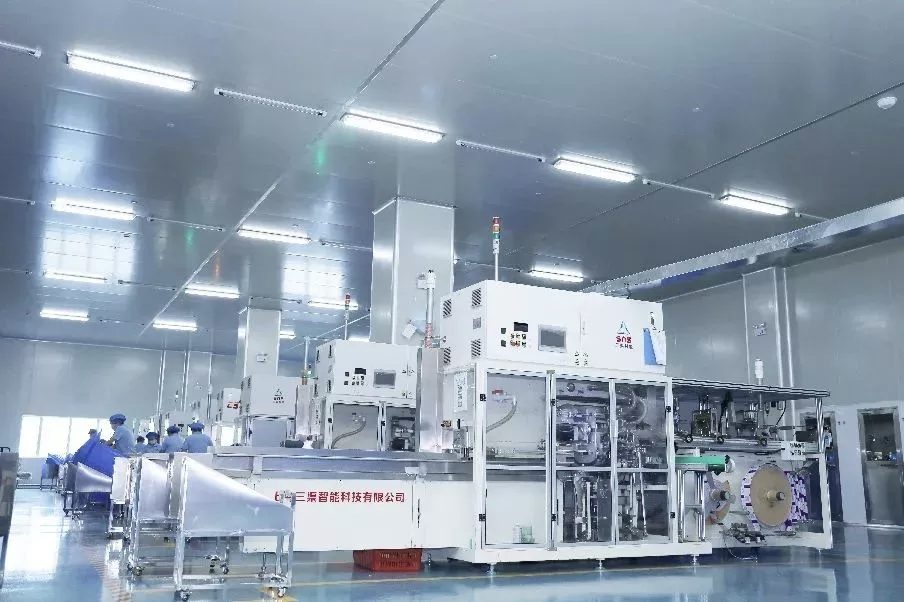
For a brand whose edge is the product, our OEM sanitary pads program starts from your spec — top sheet, core, shape — and we hold the line on it. For a brand whose edge is speed to market, our private label line gets you a proven product with your brand on it. And when the brief is "develop something with me," custom development is the route — the same way we build menstrual pants with partners who already have a shape or a use-case in mind.
The model is not a purchase order. It's a decision about where your company's attention goes.
If you're shaping a new line, tell us where your edge lives and we'll point you at the model that protects it — not the one that's easiest to quote.
Is private label "worse" than OEM?
No. It's a different bet. Private label spends your energy on brand and channel instead of product R&D — which is exactly right if your strength is go-to-market. It only becomes a mistake when your real edge was the product and you let it go.
Can I start private label and move to OEM later?
Often, yes — and many brands do. Start with a proven product to learn the market, then develop your own spec once you know which feature customers actually pay for. The risk is never starting the second step, and staying generic forever.
Part of the Founder's Playbook: Building a Hygiene Brand series — practical business thinking for founders exploring a hygiene or personal-care brand.
Turn this guide into an OEM brief
Share your product direction, target market, packaging idea and sample questions. Nafei can help translate the buying guide into a practical RFQ discussion.
- Product type: period pants, sanitary pads or mixed OEM project
- Target country, channel and buyer positioning
- Size range, material preference and sample review focus
- Private label artwork, pack count and estimated quantity