

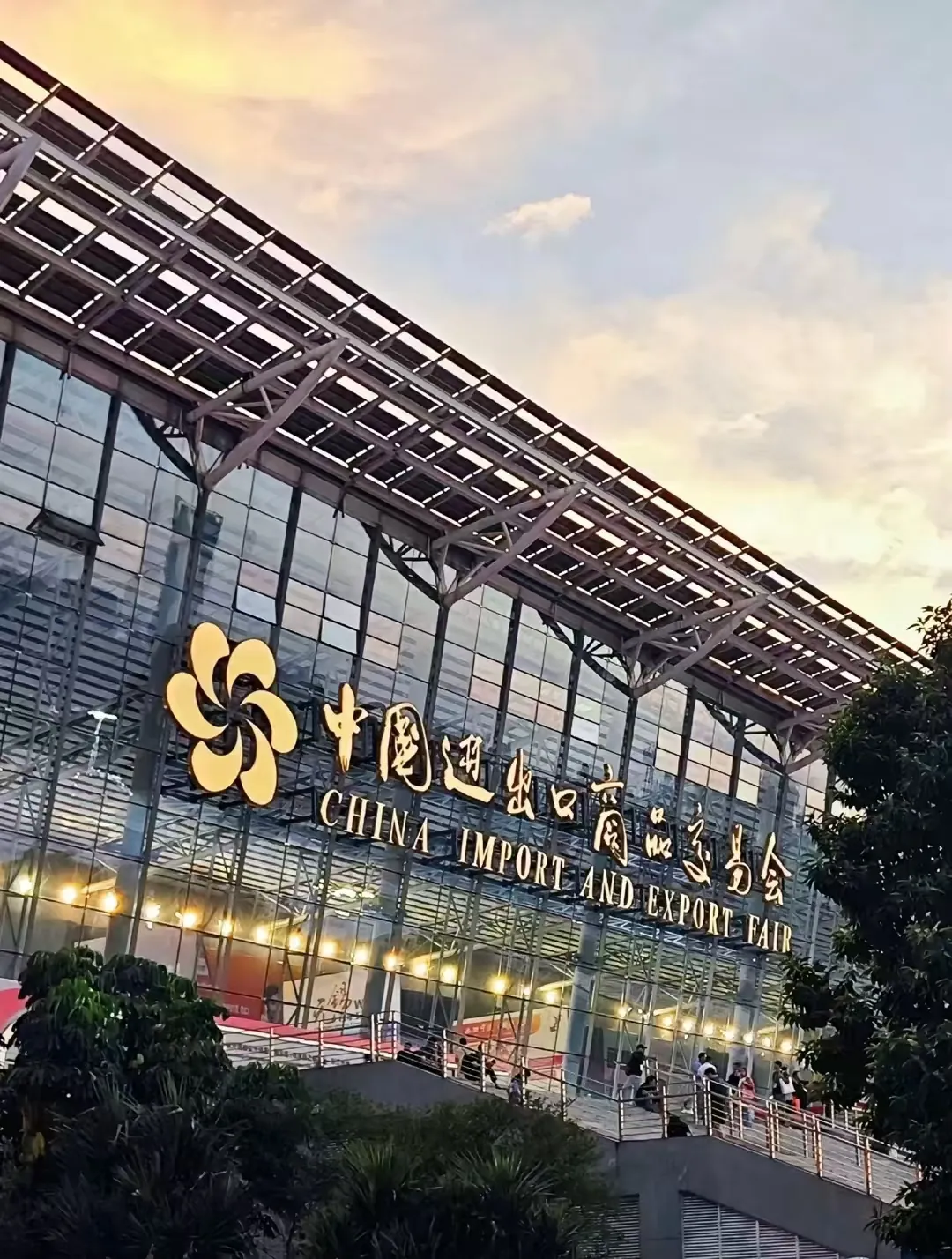
Four photos from the same show cover the whole visitor path. One shows the venue before the doors opened. Two show the stand from opposite corners. One shows the full width of the display wall. We keep them together because a buyer reads a booth before anyone speaks.
The walk from the aisle to the sample table takes about eight seconds. In that time the layout has already answered two questions: what this factory makes, and whether there is room to stop. Buyers who source private-label pads usually decide in those eight seconds whether to slow down.
Put the range where it can be counted
The back wall in these photos carries several rows of packs. A buyer can see two product families without asking. That matters more than a large logo. When the range is visible from outside the stand, the first question tends to be about specifications. When it is hidden, the first question is about what we make at all.
We learned this by moving one shelf. In an earlier show the samples sat behind the meeting table. Visitors asked general questions and left. With the shelf at the front, the same team spent more time on absorbency levels, pack counts and backsheet choices. Nothing about the product changed. Only the first eight seconds did.

Leave a clear lane into the stand
A full stand view is useful for one reason: it shows whether two people can step in at once. A narrow entry produces short visits. In our experience, a buyer who has to wait behind another visitor rarely comes back later in the day.
We now check three things in every wide photo before the show opens. The sample table must be reachable without crossing the seating area. At least one shelf must be readable from the aisle. The lane from the carpet edge to the table must stay free of boxes and brochure stands.

What we ask a buyer after the photo
Our foreign trade team uses these wide shots as a checklist, not as marketing material. If a visitor says the stand was hard to find, we go back to the venue photo and check the sightline. If several people reached for the same shelf, we note which row they touched first and move that row lower next time.
A photograph of a booth is easy to file and forget. The useful part is the small set of layout decisions it records. Eight seconds of walking space is a design choice, and it is one we can measure at the next show.


