Home >> Brand >> LanCool
LanCool · Brand Story

LanCool: everyday care. Thoughtful products. Real conversations.

LanCool is the flagship brand of Nafei. Nafei makes disposable menstrual pants, sanitary napkins and panty liners for brands and distributors. Since 1998 the work has run from one base in Shanwei, Guangdong, where structure, materials, packaging and export documents sit under the same roof.

  • Gentle care for everyday life
  • Reliable quality, batch after batch
  • A more comfortable tomorrow
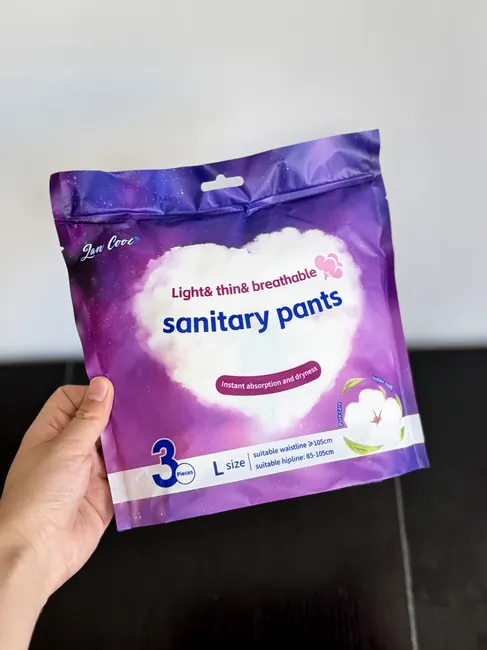
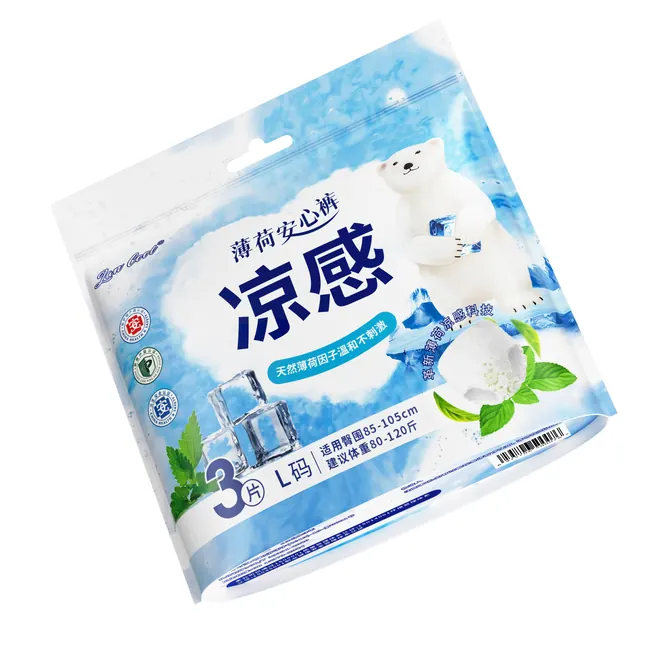
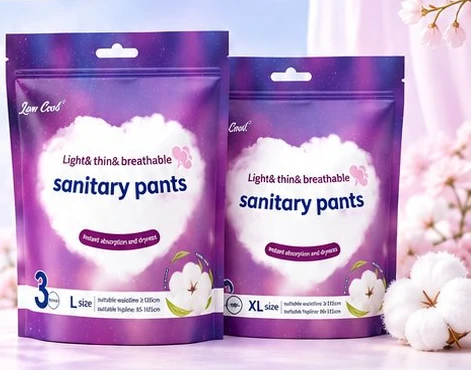
LanCool disposable menstrual pants in L and XL pack sizes, light and thin breathable sanitary pants packaging
Our Brand Journey

Small details. A bigger difference.

Nafei grows through real needs, continuous learning and a long-term commitment to better feminine care. Twenty-seven years of production leave a mark on how we read a brief.

Woman looking upward in natural light, representing everyday comfort in feminine care
01

Listen before designing

Start with the people. We listen to real user needs and market feedback to find the problems our products should address. A pack built for a supermarket shelf in Manila is not the same product as one built for a pharmacy chain in Lagos.

Hands holding raw cotton fibre used in sanitary pad topsheet and core construction
02

Build quality into the work

Look at how materials, production decisions and packaging details influence the final product experience. Structure decides comfort more than gram weight does, so we review topsheet, core, backsheet and adhesive as one system.

Globe illustration representing Nafei export markets across Asia, Europe and the Middle East
03

Learn across markets

Consider packaging, communication and business arrangements together to better support our global partners. Pack copy, size naming and carton marks change by market. The product inside stays the same.

Most buyers arrive with a product category and a shelf photo, not a full specification. Our first job is translation. What absorbency does that channel actually need? Which size mix sells through, and which one sits? Two days of sampling beats two weeks of guessing, so we build the first round early and adjust from something physical.

That approach costs us a little more at the front end. It saves far more at the back end. When a buyer changes a topsheet or a backsheet film after the artwork is approved, the whole pack has to be reshot and reprinted. Catching that decision at sample stage keeps a 25 to 30 day production window intact.

We also keep our own product families in production rather than treating them as catalogue fiction. LanCool packs ship to distributors who resell them under their own arrangement. The same lines then run private label work for buyers who want their own artwork. One factory, two ways of going to market.

Twenty-seven years in this category teaches a narrow lesson. Most failures are not dramatic. They are a waistband that relaxes half a millimetre, an adhesive that gives up in a hot container, a pack that splits at the gusset after a long sea leg. None of those show up on a specification sheet. They show up in a complaint six weeks after arrival.

So we test against the journey, not just the drawing. Packs go into a heat chamber before they go into a carton. Seams get pulled by hand on the line, not only in the lab. When a buyer asks why we insist on a physical sample rather than a PDF, this is the reason. Paper does not relax. Film does.

Our own brands exist for a second reason. Running LanCool as a live product line keeps us honest about what a distributor actually faces: shelf competition, pack sizes that must fit a specific peg, price points that leave no room for a premium material. We sell into those constraints ourselves, so we understand them when a buyer describes them.

That is also why the conversation tends to be short and specific. We would rather hear your target retail price and your channel than a paragraph about quality. Quality is assumed. The useful question is what the structure can deliver at your price, and where the honest trade-offs sit.
Our Products

Meet the Product Families

Different needs, the same care. Nafei offers a complete range of feminine care products to support everyday life and different markets.

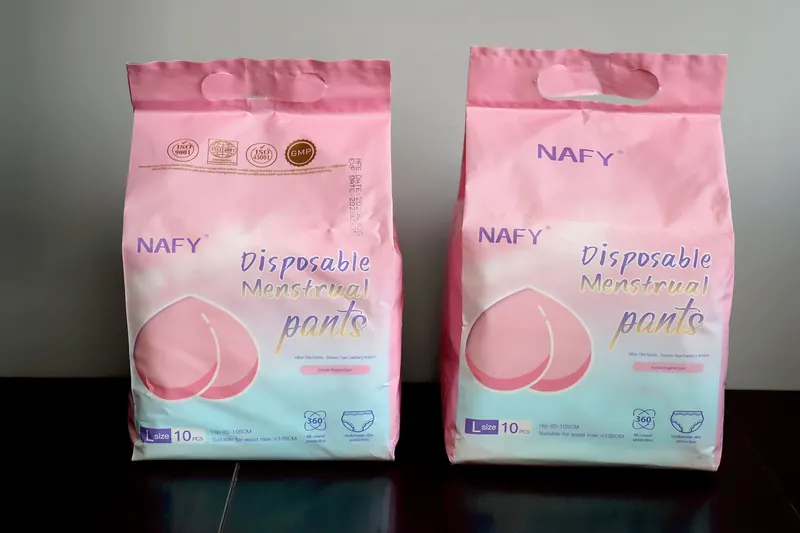
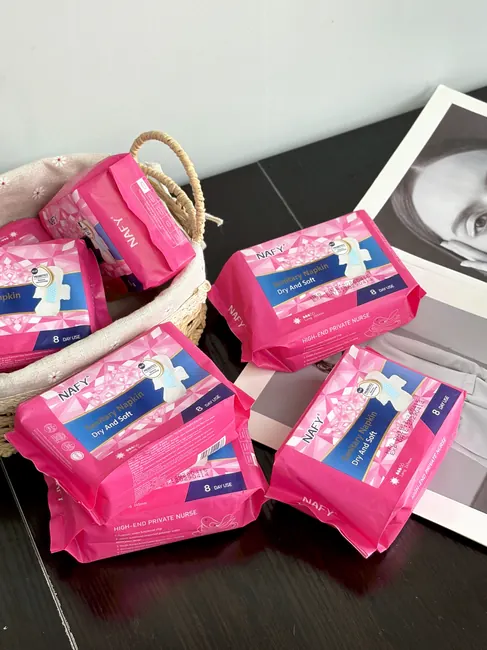
NAFY disposable menstrual pants pack for daily and overnight use

NAFY menstrual pants

Comfortable protection for daily life and overnight.

→
LanCool Light series sanitary pants, thin breathable protection for active days

LanCool Light series

Light and breathable protection for active days.

→
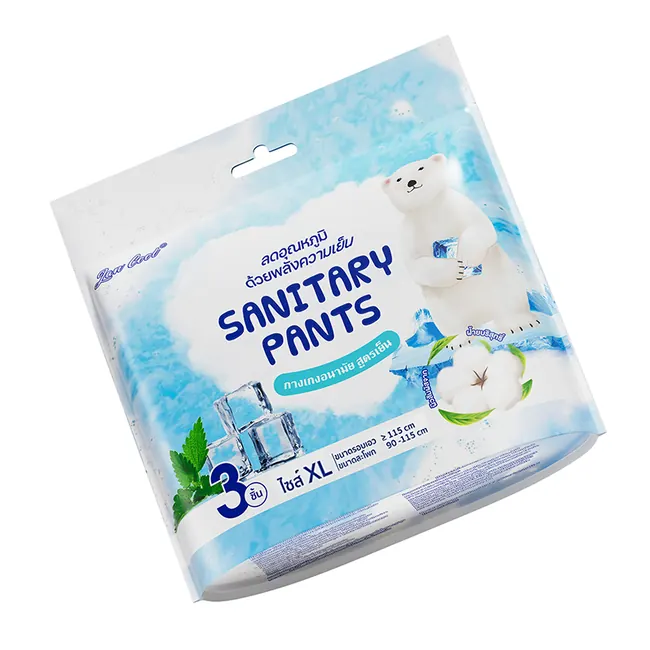
LanCool Cool series sanitary pants for hot and humid climates

LanCool Cool series

A cool and comfortable wearing experience every day.

→
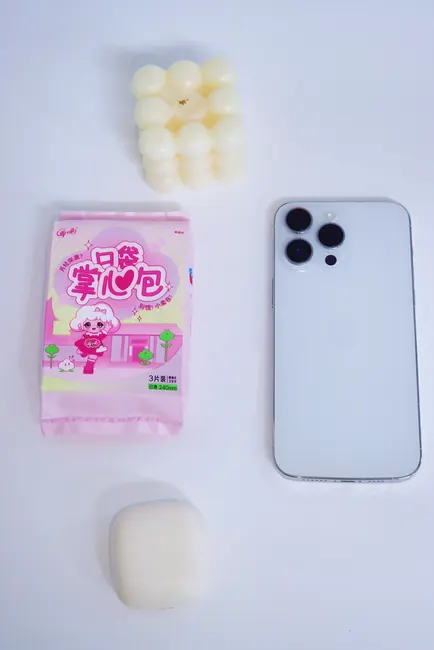
Na Xiaorou compact pocket pack sanitary pads for travel and on-the-go use

Na Xiaorou pocket packs

Convenient, discreet packs for the on-the-go moments.

→
Sanitary napkin formats including day, night and panty liner options

Sanitary pad formats

Multiple formats for different preferences and markets.

→

The range covers five formats: disposable menstrual pants, sanitary napkins, panty liners, disposable underwear and private label packs. Each one carries its own tooling, its own packing line and its own failure modes. A menstrual pant program lives or dies on waistband tension and side-seam strength. A pad program lives or dies on core integrity and adhesive behaviour in heat.

Buyers usually start with one format and add a second within a year. That is why we keep the formats in the same building. When a distributor wants to add panty liners to an existing pants order, the pack artwork can follow the same visual system without a new supplier relationship.

Disposable menstrual pants deserve a word of clarification, because the category gets confused constantly. These are single-use garments with an absorbent core built in. They are worn once and thrown away. Period underwear is a different product: reusable, washable, and sold through different channels at a very different price. Mixing the two in one product page damages both.

Within the pants category the structural choice matters more than the material list. Side-seam pants open flat, which suits care channels and higher absorbency loads. Pull-up pants form a closed tube and feel closer to ordinary underwear, which suits everyday retail. The two rarely share a line without changeover time, so a range that includes both needs its production sequence planned early.

Sanitary napkins split along similar lines. A daytime pad optimises for a thin profile under clothing. An overnight pad widens the back panel and builds a longer core. Trying to serve both with one SKU usually produces a pad that is too thick for day and too short for night, and shoppers notice within one cycle.

If you are unsure which format fits your market, send us the shelf photo and the target price. We will tell you what the structure can realistically deliver at that price, and where the trade-offs sit.

Our Factory Strength

OEM hygiene manufacturing since 1998

We produce sanitary napkins, menstrual pants, panty liners, disposable underwear and private label solutions for global buyers. Production sits in Shanwei, Guangdong, on China's southern coast, close to the ports that serve Southeast Asia, the Middle East and Europe.

1998Manufacturing base established in Shanwei, Guangdong
2 daysStandard sample turnaround on regular projects
25–30Days bulk production lead time after approval

Sampling runs on a fixed routine. Two days for standard structures, longer when a new mould or a new material has to be sourced. Bulk then follows the approved sample, not the original drawing. That sequence is why we ask buyers to sign off on a physical sample before artwork goes to print.

Visit Our Factory →
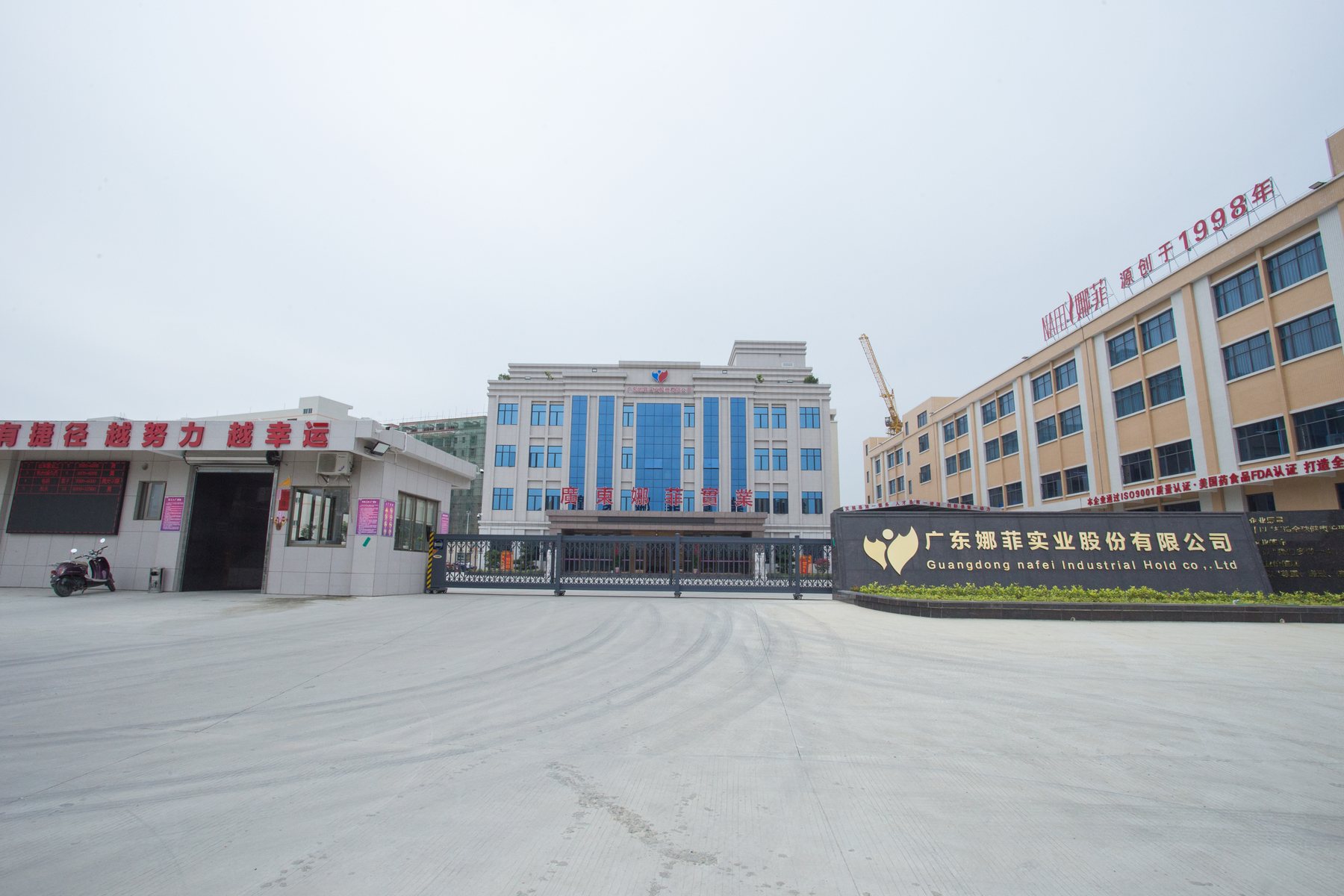
Guangdong Nafei Industrial Co., Ltd. factory exterior in Shanwei, Guangdong, China

The production base sits in Shanwei, on the coast of Guangdong province. That location is not accidental. Raw materials arrive from suppliers within the Pearl River Delta, and finished cartons reach the ports that serve Southeast Asia, the Middle East and Europe without a long inland leg. Shorter inland legs mean fewer handling points, and fewer handling points mean fewer damaged cartons.

Material structure follows a standard pattern across the range. Non-woven fabric forms the topsheet. Fluff pulp and superabsorbent polymer form the core. A breathable film forms the backsheet. None of the products use fluorescent whitening agents. That last point comes up often at audit stage, and it is a specification we can confirm in writing rather than a marketing line.

Quality control runs through the batch rather than only at the end. Incoming material is checked against the approved sample. Inline inspection watches core alignment, seal integrity and cut accuracy. Finished packs are checked for count, seal strength and print registration before cartoning. Records are kept against each production batch so a repeat order can be traced back to the conditions it was made under.

Capacity planning is the part buyers underestimate. A line running a large pad order cannot switch to a pant order overnight. Changeover takes time, and time is what compresses a delivery schedule late in the season. If your order needs to land before a retail reset, tell us the shelf date rather than the shipping date. Working backwards from the shelf date is how we avoid promising a window the line cannot hold.

Our Service Capability

One-stop private label support

From concept to market, we provide flexible and reliable OEM/ODM services to help you build a successful feminine care product line.

R&D & Structure Review

Support product structure, materials and performance based on your needs. We review the full stack rather than swapping one layer at a time.

Sample Development

Develop and refine samples until they meet your expectations. Standard projects turn around in two days; revisions follow the same route.

Packaging Customization

Design and produce packaging that fits your brand and market, including pack copy, size naming and carton marks for your channel.

Quality Tracking

Follow a strict quality system from raw materials to finished products, with inspection records kept against each production batch.

A private label program usually moves through four gates: structure approval, sample approval, artwork approval, then bulk release. Each gate has a document behind it. Buyers who work through all four in order rarely discover a problem on the water.

We also handle the export side. Carton marks, packing lists, certificates of origin and the shipping documents your forwarder will ask for are prepared from the same order file. That removes the usual gap between the factory and the freight desk.

Structure review is the gate most buyers want to skip, and it is the one that costs the most to skip. A core that is too thin for the target absorbency will not be fixed by a thicker backsheet. A topsheet that wicks too slowly will not be fixed by a longer pad. Reviewing the stack as one system catches those mismatches before tooling is committed.

Sample development then turns the agreed structure into something you can hold. Standard projects take two days. Revisions follow the same route, which is why we ask for feedback against a written list rather than a general impression. "Too thick" is not actionable. "Two millimetres thicker than the reference pad, and the adhesive is too aggressive for a cotton undergarment" is.

Packaging customisation covers more than artwork. Pack count affects shelf price. Pack format affects pallet efficiency. Carton marks affect how a distributor's warehouse receives the shipment. We treat all three as part of the same decision, because a pack that looks right but stacks badly costs money at every step after the factory gate.

Certifications & Trust

International standards. A more reliable partner.

Our management systems are audited against international standards. Certificates are issued to Guangdong Nafei Industrial Co., Ltd. and can be shared on request.

GMPGood Manufacturing Practice
ISO 9001Quality Management System
ISO 14001Environmental Management System
ISO 45001Occupational Health and Safety
Patents & R&DContinuous development for better care

Certification questions deserve precise answers. Nafei holds ISO 9001, ISO 14001, ISO 45001 and GMP, along with high-tech enterprise recognition and product patents. Sanitary products are consumer hygiene goods in most markets, so we do not build claims around clinical certification.

If your market requires specific test reports, tell us the standard and the destination country at enquiry stage. We will confirm what can be supplied against that standard before you commit to an order.

This precision matters more than it sounds. Buyers regularly receive supplier decks that list certifications the factory does not hold, or that hold them under a different legal entity. When the audit arrives, the gap becomes the buyer's problem. We would rather answer a short question honestly than win an order on a claim that will not survive scrutiny.

Each certificate names Guangdong Nafei Industrial Co., Ltd. as the holder. If your compliance team needs the certificate number, the scope and the expiry date, ask for the document rather than a summary. We will send the original.

Market Versions

The same product, adapted for your shelf.

Pack language, size naming and shelf conventions differ by market. We build the same core product into market-specific packs so a distributor can sell locally without re-educating the shopper.

Chinese language cool-feel menstrual pants pack for domestic and Chinese-speaking markets

Chinese-language cool-feel pack

Cool-feel construction with Chinese pack copy, built for domestic channels and Chinese-speaking distributors in Southeast Asia.

Thai language cool-feel menstrual pants pack for Thailand distribution

Thai-language cool-feel pack

Thai pack copy with the same cool-feel construction, sized and labelled for Thai pharmacy and modern trade shelves.

English language light and thin menstrual pants pack for export markets

English-language light pack

Light and thin construction with English pack copy, the default format for export buyers across Europe, the Middle East and Africa.

Market adaptation is not only translation. Size naming changes. A pack sold as L in one country is often XL in another. Absorbency language changes too: what reads as overnight protection in one market reads as heavy flow in the next. We keep a version file for each market so a repeat order does not drift.

Language is the visible part. The invisible part is regulatory. Some markets want an importer name and address on the pack. Some want a specific local standard referenced. Some restrict certain wording outright. Getting that wrong means a container that cannot clear customs, or a pack that has to be stickered at destination, which costs more than printing it correctly the first time.

Cool-feel construction is the clearest example of how a version differs by market. In tropical markets the cool sensation sells the product on its own. In cooler markets the same product needs a different explanation, because the benefit is less obvious to the shopper. The core stays the same. The pack copy and the pack size often do not.

Working With Nafei

How a project runs, start to finish.

Most enquiries follow the same route. Knowing the route in advance shortens the conversation and reduces the number of samples a buyer has to pay courier costs on.

Step one: the brief. Send the product type, the target market, the pack format and the quantity you expect in the first year. A shelf photo helps more than a specification table, because it shows the price point you are competing against. If you already have a reference sample from another supplier, send a photo of it. That single image often replaces three rounds of description.

Step two: structure options. We come back with two or three realistic structures for that brief, not a single take-it-or-leave-it offer. Each option names the trade-off: this one is thinner and cheaper, this one holds more absorbency, this one packs flatter for pallet efficiency. Choosing between named trade-offs is faster than asking a factory to guess.

Step three: sampling. Standard projects turn around in two days. Samples are free; the buyer covers courier. We ask for feedback against a written list so the second round moves in the right direction rather than sideways.

Step four: quotation and artwork. Once the structure is agreed, the quote is built on that structure rather than on a generic category price. Artwork review covers pack copy, size naming, barcode placement and carton marks. This is the stage where a wrong size name becomes expensive, so we check it twice.

Step five: bulk and shipment. Bulk typically runs 25 to 30 days after approval. Payment terms are commonly 40% deposit with the balance before shipment. Export documents are prepared from the order file, and we work to the shelf date you give us rather than to a shipping date that ignores it.

Step six: repeat orders. A repeat order should be boring. Same structure, same pack, same file. The version file we keep per market exists so that a reorder in eighteen months does not quietly drift into a different specification because someone rewrote the artwork from memory.

Questions Buyers Ask

Straight answers before you enquire.

What does Nafei manufacture?
Nafei produces disposable menstrual pants, sanitary napkins, panty liners, disposable underwear and private label packs. Production runs from a single base in Shanwei, Guangdong, China, and has done since 1998.
Is Nafei a manufacturer or a trading company?
Nafei is a manufacturer. Guangdong Nafei Industrial Co., Ltd. operates the production base in Shanwei and holds the ISO 9001, ISO 14001, ISO 45001 and GMP certifications. Export documents are prepared from the same order file.
What is the difference between disposable menstrual pants and period underwear?
Disposable menstrual pants are single-use. They are worn once and discarded, and they carry an absorbent core built into the garment. Period underwear is reusable: it is washed and worn again. The two products serve different channels and should not be described as interchangeable.
What certifications does Nafei hold?
ISO 9001 for quality management, ISO 14001 for environmental management, ISO 45001 for occupational health and safety, and GMP for good manufacturing practice, along with high-tech enterprise recognition and product patents. Certificates are issued to Guangdong Nafei Industrial Co., Ltd.
What is the minimum order quantity?
For factory-packed stock items the minimum can start from one carton. Private label programs with custom artwork carry a higher minimum because of printing and tooling setup. Tell us the pack format and quantity you have in mind and we will confirm the real threshold for that combination.
How long does sampling take?
Standard projects turn around in two days. Projects that need a new mould or a material we do not hold in stock take longer, and we will say so at enquiry stage rather than after the fact.
Can you produce private label packaging?
Yes. We handle pack copy, size naming, artwork review and carton marks. Most buyers approve structure first, then artwork, then release bulk. Keeping that order avoids reprinting a pack because a material decision changed after print.
How long is bulk production after approval?
Bulk production typically runs 25 to 30 days after sample and artwork approval. Payment terms are commonly 40% deposit with the balance before shipment. Final terms sit in the quotation and contract for each order.
Do you supply free samples?
Yes. Samples are free and the buyer covers courier cost. That arrangement keeps sampling open to smaller buyers who cannot absorb a sample fee, while making sure the request is a real one rather than a catalogue collection.
What payment terms do you use?
The common arrangement is 40% deposit with the 60% balance before shipment. Terms for a first order and for a repeat order can differ, and the final terms always sit in the quotation and the contract rather than in a general answer.
Which markets do you export to?
Buyers come from Southeast Asia, the Middle East, Europe, Africa and North America. We do not publish a country count, because the useful question is whether we can support your destination's document and labelling requirements. Tell us the market and we will answer that directly.
Can you match a sample from another supplier?
Often, yes. Send a photo of the reference product and, if possible, the physical sample. We will tell you whether the structure can be matched, where it cannot, and what a close alternative would change in cost or performance. Matching a sample usually takes less time than designing from a written brief.
Do you produce your own brands as well as private label?
Yes. LanCool is our own line, sold to distributors who resell it under their own arrangement. The same production lines also run private label programs for buyers who want their own artwork. Running both keeps us close to the shelf pressure our buyers actually face.

Build your OEM feminine care product line with Nafei.

From sample confirmation to factory-direct quotation, we provide professional support and export-ready solutions for global brands and distributors. Send the product type, target market and pack format, and we will come back with material options and a realistic timeline.

Woman relaxing outdoors, representing comfortable nights and brighter tomorrows with Nafei feminine care
WhatsApp contact WeChat QR code

Nafei WeChat QR code