
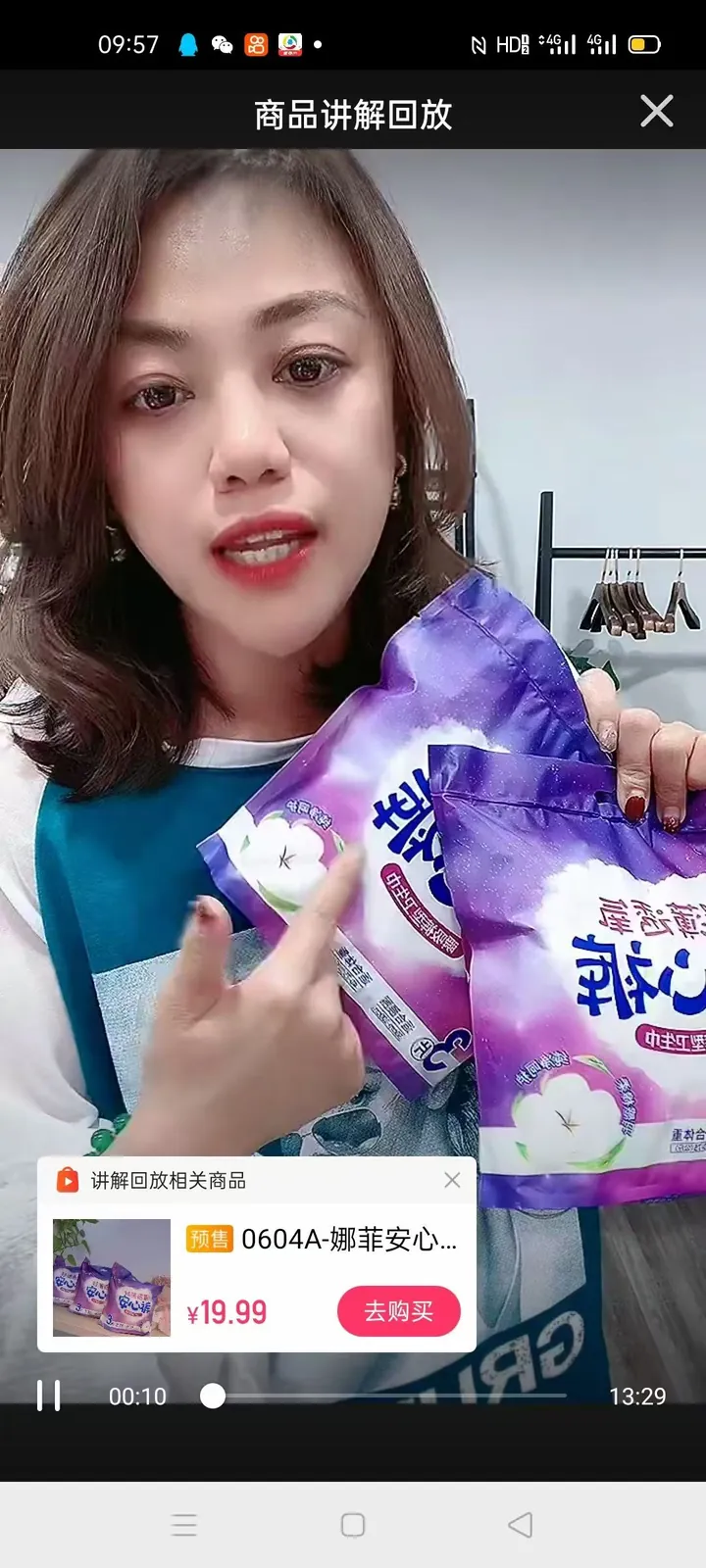
In UK retail, a listing for disposable period knickers may appear beside washable period underwear. Before approving a single-use pack, check whether a shopper can identify the format in a search preview, choose the intended size and understand what comes in the bag. Use the physical sample and the shop listing in the same review so each instruction refers to the product actually supplied.
What disposable period knickers mean on a UK shelf
A UK shopper searching for period pants can encounter categories described as reusable. Boots, for example, explains washing and care on its period-pants category page. That is useful evidence about the context in which a single-use listing may appear. It does not tell a buyer which format UK shoppers use more often. For a disposable SKU, the description should tell the shopper what they will receive and what to do with the garment after use.
Use the same product definition in the online title, the first product image and the actual retail bag. If the bag is photographed at an angle, check whether the single-use wording remains visible where the image is cropped. In a catalogue that also sells washable products, check which care icons and product filters the listing inherits. A correct title can still sit alongside an inherited instruction that sends the shopper to the laundry.
Test the preview before the shopper opens the listing
Print the marketplace search preview or show it on a phone with several ordinary product listings around it. Include at least one washable period product in the exercise. Ask the reviewer which one they would choose for a sealed spare and what led them to that answer. Repeat the task with the first product image alone, then with the unopened sample. Record the first place the reviewer found the single-use instruction. The location matters as much as whether that text exists somewhere on the page.
If the reviewer relies on the image to tell the products apart, ask what specific cue they noticed. A picture of the garment shape cannot explain whether the product is intended to be washed. A label on a secondary image can be useful, but only shoppers who reach it will see it. Give the buyer a clear first-screen product title and a proof that supports it on the bag itself.
Keep the sealed spare separate from the retail count
A shopper who plans to keep a spare in a work or travel bag might want to know whether opening the main pack also opens all the units. Add the individual wrapper as its own field in the product record. Photograph one unopened retail bag and one actual unit wrapper where the pack includes them. If there is no individual wrapper, describe the packaging as supplied and check how the team plans to show the unopened pack in the listing.
Write both units on the sample sheet. Pieces per retail pack describes how many garments the shopper is buying. Individually wrapped describes how they are packed inside the bag. A pack can contain several garments without offering several sealed spares. For an online bundle, record the total number of pieces and the number of retail bags; keep that bundle calculation out of the wording on the individual bag.
- Retail bag: count the garments in one sealed bag.
- Unit wrapper: verify how each spare is enclosed.
- Online bundle: record the number of bags in the offer.
Review size and wear instructions together
Give the reviewer a hip measurement and ask them to find a size on the pack without choosing by their usual trouser size. The sanitary pants size guide explains which measurements to collect. On a retail sample, verify the actual range for the exact model and make sure the same range appears in the listing for the selected size. In a listing with multiple choices, take screenshots after changing from one size to another so the team can catch an image or range that fails to update.
Follow with a short handling check. Give the reviewer the instructions and a clean sample and ask them to show how they would put it on and take it off. If the sides are designed to open for removal, check that the instructions make the intended operation clear. For a pull-on replacement, the instructions should help the shopper anticipate the need to step into the fresh pair. Verify the wording against the exact product supplied.
Check the distinction between overnight use and instructions
If the pack describes an overnight format, have the product team confirm which performance information is supported for that model. Ask for the sample identifier and test method when reviewing a claim. Keep the intended night-use scenario separate from instructions about changing or disposal. Someone who buys disposable period knickers for a night away still needs clear directions on the product itself. For the listing, check that any supporting image or claim belongs to the same size and style as the garment described.
To check understanding, ask a reviewer to explain the end of the use cycle without reading wording back verbatim. Save their own explanation with the review notes. If they expect to rinse or wash the garment for reuse, revise the format label or instructions and repeat the exercise. Where an instruction depends on a facility or bin, have the local partner review it in the context in which the product will be sold.
Send one brief to the artwork and purchasing teams
Before asking for a sample or price, capture the approved phrase for disposable period knickers, the size range by model, the pieces per retail pack, how individual units are packed and the planned listing bundle if there is one. Record the instruction language and the revision date for the product image and physical artwork. A short spreadsheet can keep these fields together. If a distributor uses different wording on its website, ask for the updated preview before releasing the artwork so the customer sees an equivalent description.
The menstrual pants wholesale page provides a starting point for discussing order formats. Send the intended pack language, sample sizes and delivery destination through the Nafei contact page. Nafei ships from China and does not hold UK stock for this program. Ask for the sample dispatch and freight schedule for the destination, and keep the approved product sheet on file. If the project changes its size mix or pack configuration, repeat the shelf check on the new proof before ordering printed bags.
Keep the UK category reference with the review notes: the Boots Period Pants and Period Underwear category describes reusable products and gives care guidance. That reference helps explain the need for clear format wording during review. The decision to approve a disposable SKU still depends on the approved sample, its instructions and the results of the listing check for your own product.
Ask the listing editor to keep a copy of the product page before and after any translation update. This makes it possible to see whether a change to the title removed the single-use instruction or whether a new image replaced the approved count. Check that the shop listing and the package can still be matched by model and size after those edits.


