The Next Battle in Feminine Hygiene Isn't Leakage — It's Breathability
2026-08-24
In a recent conversation with people in the industry, I noticed a quiet shift: nobody opens a meeting about sanitary pads with the leak question anymore. Not because leakage stopped mattering — it's the opposite. It's because after all these years, the leak problem has mostly been solved. Absorbency, flow distribution, fit, leg cuffs: Chinese brands pushed all of it to a level that just works.
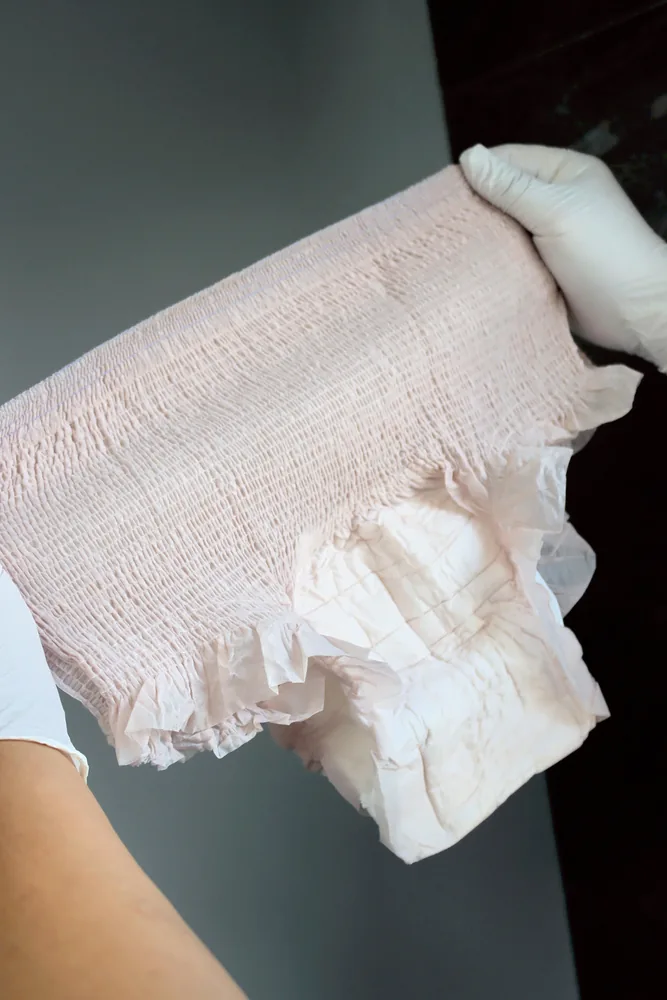
So what does she actually care about now? My answer is one word: stuffiness. Whether it's breathable — whether she's comfortable — whether she feels like she's wearing a cotton bag for eight hours.
Leak protection has become the passing grade
From a development standpoint, absorbency and leak protection are baseline. In industry terms, it's "basic performance." Over the years Chinese brands invested heavily here — absorbency, leak-proof design, fit — and it's now mature. For most consumers, as long as the size is right and changes happen on time, the basics are well covered.
I've argued this before: on basic performance, the products are already good enough — you could even say there's no shortage. The room left in competing on parameters is shrinking. But that doesn't mean the category has no room to grow. The competition is quietly moving somewhere else. It's moving to the places consumers can't articulate but feel in every single use.
What she cares about most, she can't say out loud
A friend once told me something I've never forgotten: "In all these years of using pads, I've never leaked. But what I fear most is that stuffy feeling in summer."
Stuffy. That one word captures the experience most women can't describe. Sitting all day — stuffy. Sleeping the whole night — stuffy. Summer makes it worse. That heat isn't life-threatening, but it eats away at your day and your mood. It makes you restless, makes sleep worse, makes you want to change early.
Consumers may not use the word "breathability," and they won't study material structures. But they feel it clearly: is it comfortable, does it breathe, is it hot, is there a sense of being sealed in. Those feelings are how a product actually enters daily life.
Why "not stuffy" is harder than "no leaks"
You'd think the answer is simple: just make breathability as high as possible. It isn't that simple, because a hygiene product isn't about maximizing one indicator. Breathability, absorbency, leak protection, and fit all pull against each other. A more breathable backsheet may need balance in the leak-proof design. A thinner product demands more from the absorbent structure. A waistband and cuffs that fit well take repeated process refinement.
"Not stuffy" isn't a single feature. It's a system of materials and structure working together — how the breathable pores are distributed, how the backsheet is designed, how the core is built, how the cuffs fit. Those details together decide whether the moment she puts it on feels fresh or sealed in. Which is exactly why the next competition isn't about pushing one parameter higher — it's about making the whole experience finer.
From "no leaks" to "no stuffiness" is a product-logic upgrade
For years the industry competed on parameters: how many milliliters, how many leak tests, how thin the core. Those matter. But parameters answer "is the product strong enough," while experience answers "is she comfortable using it."
From "no leaks" to "no stuffiness" looks like changing one word. Underneath, it's a shift in product logic — from "I'll protect you" to "I understand you." Leak protection is the bottom line of safety; breathability is the expression of freedom. When she doesn't worry about leaking and doesn't endure stuffiness, she can actually do her own thing: work, sleep, move freely. That feeling of being understood is where brands and products really separate.
A good product isn't the one she remembers wearing. It's the one she forgets she's wearing.
What we're doing at Lancool
Nafei has always made feminine hygiene products. Over the years, we've gotten clearer about what matters: a good product doesn't make a woman remember it — it makes her forget it exists.
So in the Lancool LANCOOL product development, we're working the real scenario needs — "not stuffy," "odor control," "gentle on skin" — into products one by one. Our anion sanitary napkins line is one example. It uses a breathable PE backsheet with a high-molecular absorbent core, topped with a fine, soft 3D double air-through nonwoven topsheet. On top of absorption and leak protection, it's designed to reduce the heat-trapped feeling. We've also explored odor control with an anion chip, put the product through sensitive-skin testing, and used a mildly acidic topsheet that sits closer to the skin's natural pH balance — for women who care about comfort and peace of mind.
Every woman's period is different — cycle state, body type, habits. No single product fits everyone. What we're trying to do isn't to convince anyone with parameters. It's to take one real need and build it into the product properly, thoroughly.
The next decade
The next ten years of this industry probably won't be about who's "stronger." It'll be about who understands more. Understands her discomfort in summer, her restlessness at night, the feeling of constraint when it's too close to the body.
When a product makes her feel safe when she needs it, and almost invisible while she wears it — that's when we've done the product right. What women need was never thicker protection. It's freer breathing.
If you're building a brand in this space and want a manufacturer who thinks about the experience, not just the spec sheet — start with our OEM vs ODM guide or talk to us.
Why is breathability becoming more important than leak protection?
Because leak protection has mostly been solved — absorbency, fit, and cuffs are mature on basic products. The remaining pain point women actually feel is stuffiness: the heat and discomfort of long wear, especially in summer. That's where the next differentiation sits.
Does "breathable" mean weaker leak protection?
Not necessarily — but they do have to be balanced. A breathable backsheet and a leak-proof design pull against each other, so the engineering is about combining them in one structure, not trading one for the other. A well-built product handles both.
What makes a sanitary pad feel breathable?
Several details working together: the distribution of breathable pores, the backsheet design, the absorbent core structure, and how the cuffs fit. Together they decide whether it feels fresh over hours of wear or sealed in. It's a system, not a single indicator.
How can a brand differentiate on experience instead of parameters?
Start from the real scenario — summer wear, overnight, sensitive skin — and design the material and structure around it. Then prove it with testing (sensitive-skin tests, material safety) and put the story in honest, experience-based language instead of a bigger number.
Building a line that understands the wearer, not just the spec?
Tell us your target market and what your customer actually feels when she wears a product. We'd rather develop that with you than chase a parameter — reach the Nafei team and start the conversation.
Turn this guide into an OEM brief
Share your product direction, target market, packaging idea and sample questions. Nafei can help translate the buying guide into a practical RFQ discussion.
- Product type: period pants, sanitary pads or mixed OEM project
- Target country, channel and buyer positioning
- Size range, material preference and sample review focus
- Private label artwork, pack count and estimated quantity