What Buyers Should Check in a Period Pants OEM Manufacturer
2026-08-04
Choosing a manufacturer for disposable menstrual pants, sanitary pads or private label feminine hygiene products is a long-term decision. The right partner protects your brand, your lead times and your customers. This checklist covers the points experienced importers verify before sending an RFQ.
Whether you are launching a new brand or moving an existing line to a new factory, the goal is the same: confirm that the supplier can deliver a consistent product at scale, with documentation you can trust. Below are eight areas worth reviewing.
1. Production Scale and Real Capacity
Start with evidence of a real production base rather than a trading-only profile. Ask for workshop photos, a short factory video, and a clear statement of annual output. A manufacturer operating a large-scale modern workshop with multiple automated high-speed production lines can usually support steadier bulk supply and more predictable lead times.
For example, Nafei operates a 260,000+ sqm production base with 35+ automated high-speed production lines and an annual capacity of 5 billion+ pieces, which is the kind of scale that supports both private label launches and repeat wholesale programs. Verify the numbers with a video call or a third-party audit before you rely on them.
2. Automation and Process Control
Automated lines reduce human contact with the product and support more consistent output. Look for dust-free workshop management, in-process quality control, and defined checkpoints from raw material to finished product. A useful question to ask: “How are defects caught during production, not only at final inspection?” Buyers who get a clear answer usually get better consistency.
3. Certifications and Quality Management
Request valid copies of ISO 9001, ISO 14001 and ISO 45001, plus GMP-aligned hygiene production where applicable. Certifications matter less as badges and more as proof of a documented quality system. Confirm the certificate scope covers the product types you plan to order, and check expiry dates.
4. R&D and Sample Testing
A capable OEM supports raw material inspection, sample testing and finished product performance review. Before committing to a bulk order, request physical samples and review product feel, absorbency, fit and packaging direction. Sample-based review is the most reliable way to confirm a specification matches your market — do not skip it.
5. Material and Absorbent Core
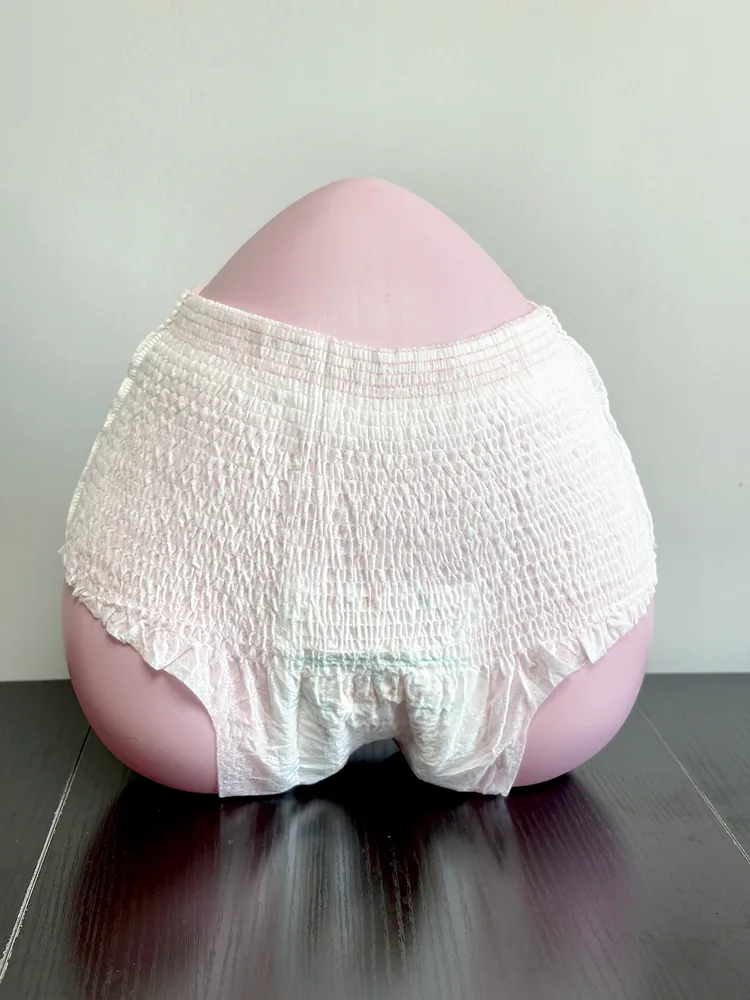
Discuss the topsheet, breathable backsheet and SAP (super absorbent polymer) core. The right material mix affects comfort, thinness and how well liquid is locked away from the surface. Buyers should be able to specify surface feel, core absorbency and backing film together with the manufacturer. See our explainer on ultra-thin breathable period pants for a practical example.
6. Private Label and Packaging Support
For brand owners, packaging is part of the product. Check whether the manufacturer can support private label bag, box and carton design, artwork discussion and custom size or material options. Export-ready packaging support shortens your time to market and reduces back-and-forth after tooling starts.
7. MOQ, Lead Time and Flexibility
Confirm the minimum order quantity and the typical turnaround from sample confirmation to mass production. Some manufacturers support a lower MOQ for new product lines or market testing, which is useful when you are validating demand. Clarify what “ready to ship” means and how replenishment is handled once a line is established.
8. Communication and Export Support
Smooth export orders depend on clear RFQ response, specification review, documentation and delivery coordination. Evaluate how the manufacturer communicates specifications and whether they have experience with your destination market’s requirements. A partner who asks good questions about your use cases is usually a safer choice than one who simply quotes a price.
Frequently Asked Questions
How do I choose a reliable menstrual pants supplier?
Verify production evidence, certifications, sample quality and communication before committing. A small sample order is the fastest way to test all four at once.
What is the typical OEM process for period pants?
Most projects follow five steps: inquiry, specification review, sample confirmation, mass production, and delivery. Agree on the specification in writing before production starts.
What MOQ should I expect from a period pants OEM?
It varies by product and packaging. Many manufacturers discuss a lower MOQ for new lines or market tests — confirm the number per project rather than assuming a fixed minimum.
Which certifications should a sanitary pad factory have?
ISO 9001, ISO 14001 and ISO 45001 are common, with GMP-aligned hygiene production for relevant lines. Always ask for valid copies and check the scope.
How long does sampling take?
It depends on the level of customization. Ask for a timeline during specification review so you can plan your launch around it.
Ready to discuss your specification? Send an OEM brief and our team will review product type, size, absorbency and packaging with you.
Turn this guide into an OEM brief
Share your product direction, target market, packaging idea and sample questions. Nafei can help translate the buying guide into a practical RFQ discussion.
- Product type: period pants, sanitary pads or mixed OEM project
- Target country, channel and buyer positioning
- Size range, material preference and sample review focus
- Private label artwork, pack count and estimated quantity