Breathable Material Review for Ultra-Thin Disposable Period Underwear
2026-07-13
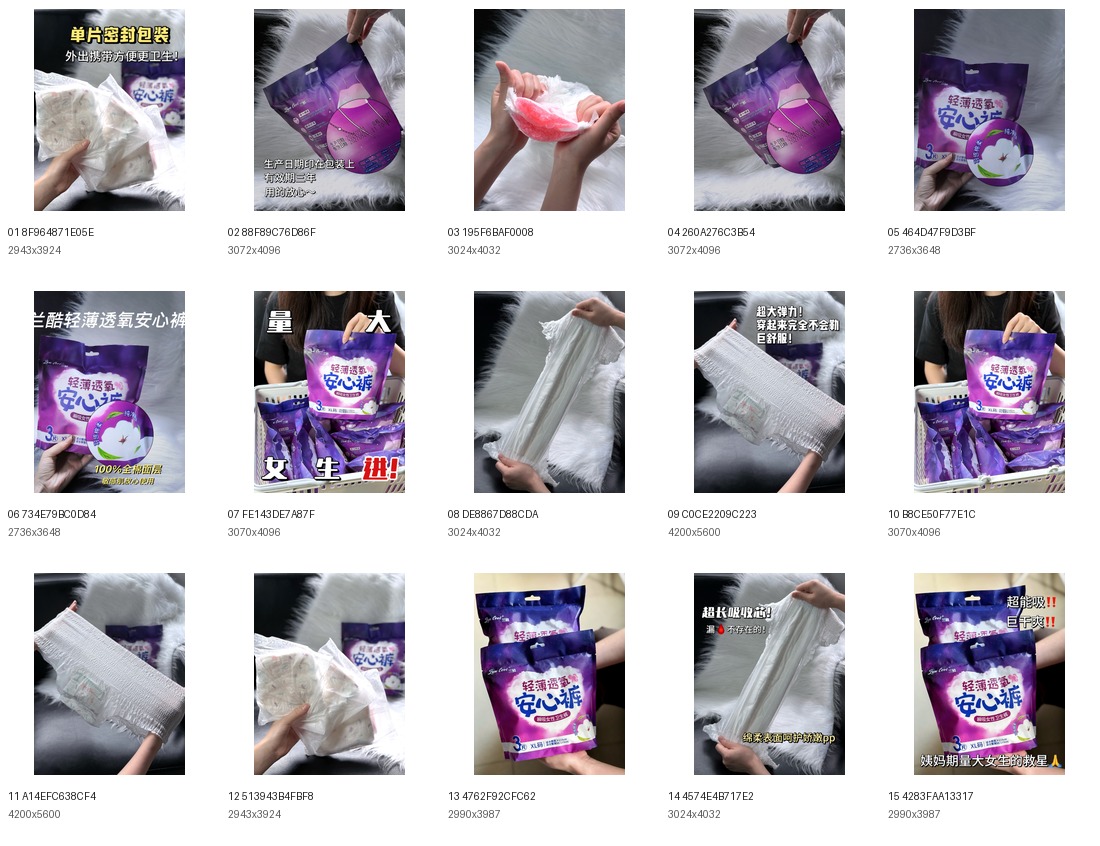
Breathable Material Review for Ultra-Thin Disposable Period Underwear should be handled as a documented buyer review rather than a broad marketing claim. The buyer should connect the intended sales channel with the physical sample, packaging configuration and repeat-order record. For this topic, the main review points are topsheet feel, thinness, breathable backsheet direction, core layout and waistband structure.
Define the Buyer Requirement
Start with the destination market, sales channel, target user scenario, size or specification direction, pack count and expected order format. Clear requirements help the supplier recommend a relevant sample and make quotations easier to compare. Buyers should distinguish required features from optional preferences and identify which details still need sample confirmation.
Review the Physical Sample
Inspect appearance, material feel, dimensions, construction, wrapping and labeling. Compare samples under the same conditions and record observations in a table. Sample-based notes are more useful than general requests because they give purchasing, design and production teams a shared reference.
Connect Product and Packaging
The outer pack should describe the approved product accurately. Confirm item code, size or length, quantity, wrapper format, barcode area, destination language and carton information. If one commercial detail changes, reopen the related artwork and packing review before printing.
Use Cautious Export-Ready Wording
Prefer specific phrases such as soft surface feel, breathable comfort, absorbent core design, custom artwork option and private label packaging support. Claims should match the approved sample and available documentation. Avoid absolute performance, health-effect or ranking language that cannot be supported consistently.
Compare Quotations Correctly
Confirm that every quotation covers the same material, dimensions, construction, wrapper and pack count. A lower price may reflect a changed specification. Ask suppliers to mark revisions and state which points depend on sampling, artwork approval or production feasibility.
Build an Approval Record
Keep dated photos, sample codes, specification notes, artwork versions and carton details together. This record helps prevent older files from returning during repeat orders. It also gives the buyer a practical basis for reviewing feedback and requesting controlled adjustments.
Plan Quality Follow-Up
Agree which appearance, measurement and packing points will be checked during production. Reference samples and clear tolerances can reduce misunderstandings. When market feedback leads to a product or artwork change, handle the update as a new controlled version.
Internal Links and Next Step
Buyers can review the related product direction at the relevant Nafei page, browse the product range, and submit a specification through the contact page.
Buyer FAQ
What should an RFQ include? Include market, channel, specification, pack count, artwork needs, target quantity and destination.
When is a sample approved? Approval should follow physical review and a written record of the agreed configuration.
Can the specification be customized? Options can be discussed against sample results and production feasibility.
Buyer Review Table
| Review point | Buyer should confirm | Factory should clarify |
|---|---|---|
| Product direction | Product type, use scene, size and pack count | Base sample, available adjustment range and quote basis |
| Packaging file | Retail wording, barcode, carton mark and final artwork version | File naming, approval flow and production handover point |
| Sample feedback | Fit, surface feel, package format and buyer comments | Which points can be adjusted before bulk order |
| Order planning | Target market, first order estimate and reorder rhythm | Lead time, carton planning and communication checklist |
OEM Buyer FAQ
What details should be sent before sample discussion?
Send product type, target market, intended use scene, size range, pack count, artwork direction and any reference photo that helps explain the project.
Can the sample be adjusted before bulk order?
Yes. Sample review is the right stage to discuss fit, surface feeling, pack format, carton details and buyer-facing wording.
How should buyers avoid artwork confusion?
Use one dated final file name, keep old versions archived, and confirm retail pack, carton mark and barcode files together before production handover.
Turn this guide into an OEM brief
Share your product direction, target market, packaging idea and sample questions. Nafei can help translate the buying guide into a practical RFQ discussion.
- Product type: period pants, sanitary pads or mixed OEM project
- Target country, channel and buyer positioning
- Size range, material preference and sample review focus
- Private label artwork, pack count and estimated quantity