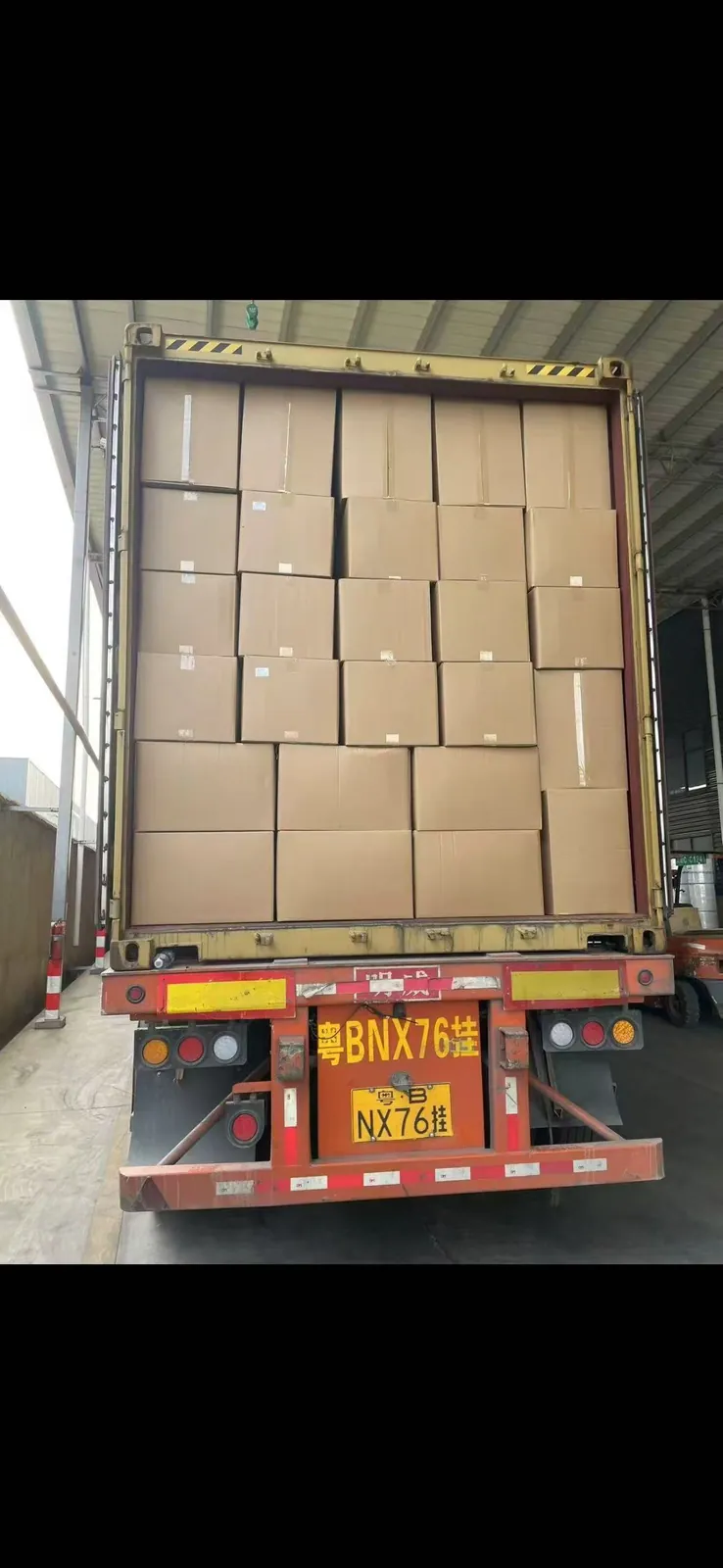
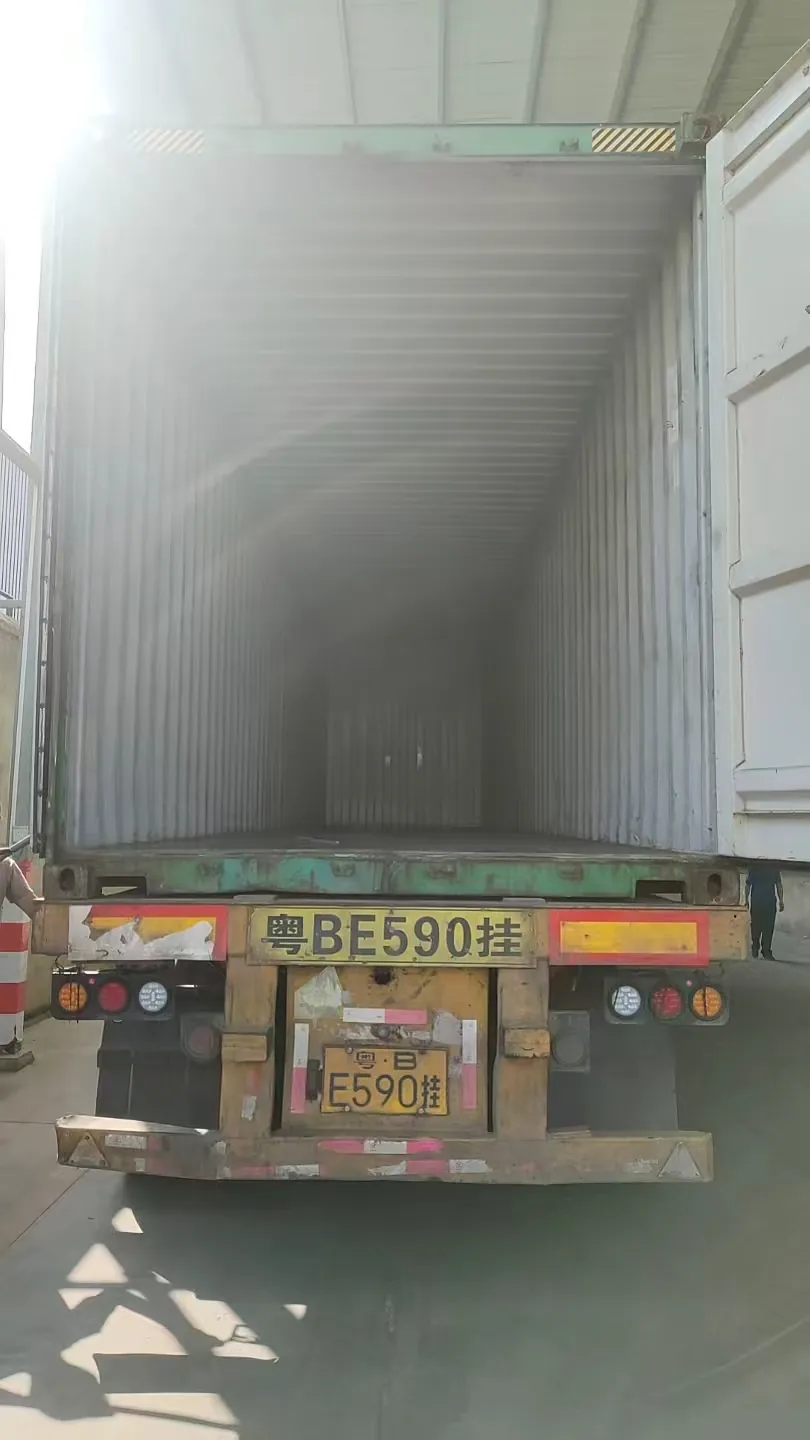
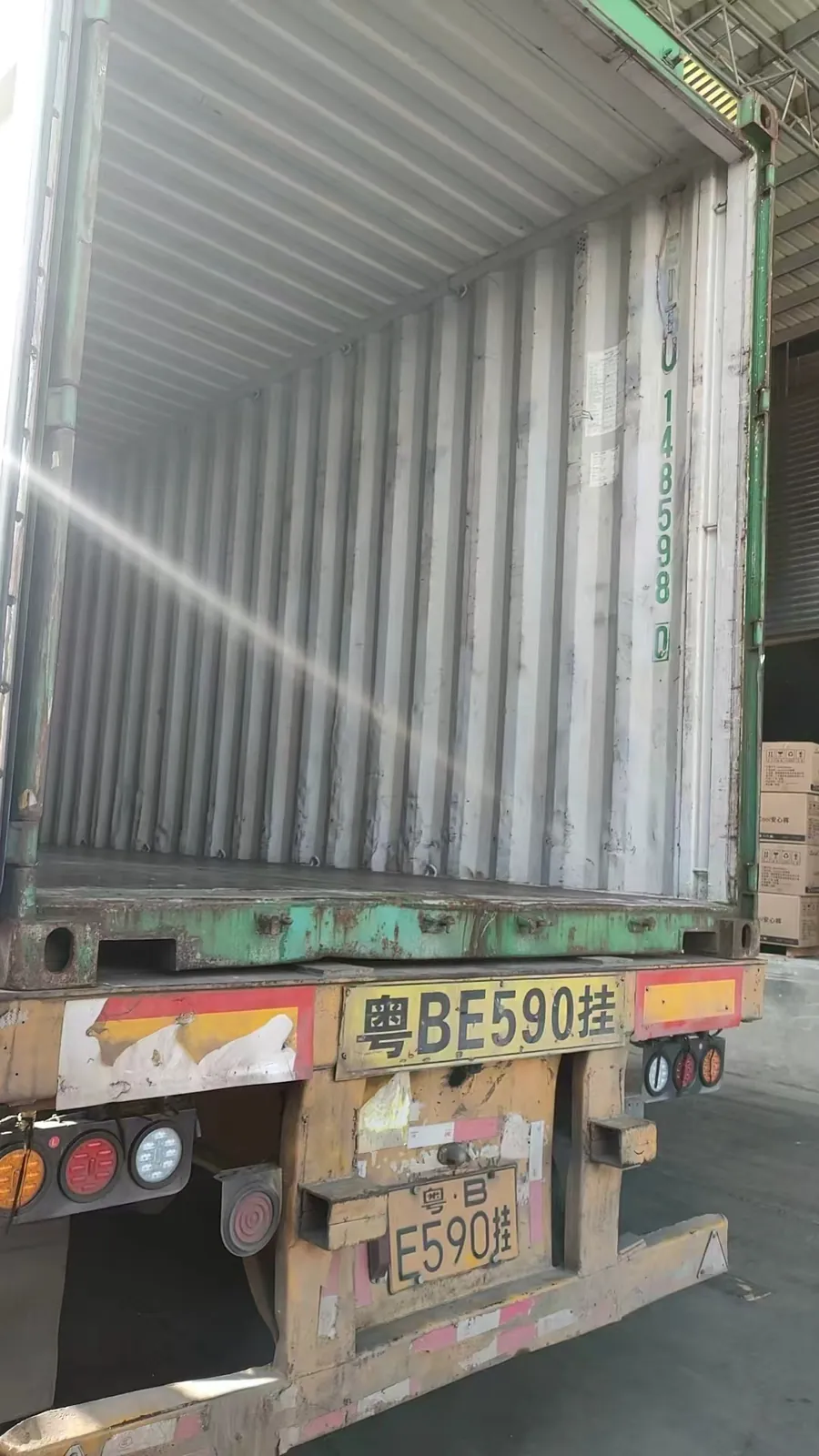
Five frames from one export sequence show a container from the outside, a truck before loading, an empty interior, a loaded interior and a closed tail. Buyers often ask for a single loading photo. The sequence is more useful, because each frame answers a different question.
A loading photograph is a record, not a promise. It shows a state at one moment. What makes it valuable is the order of the frames and the date attached to them.
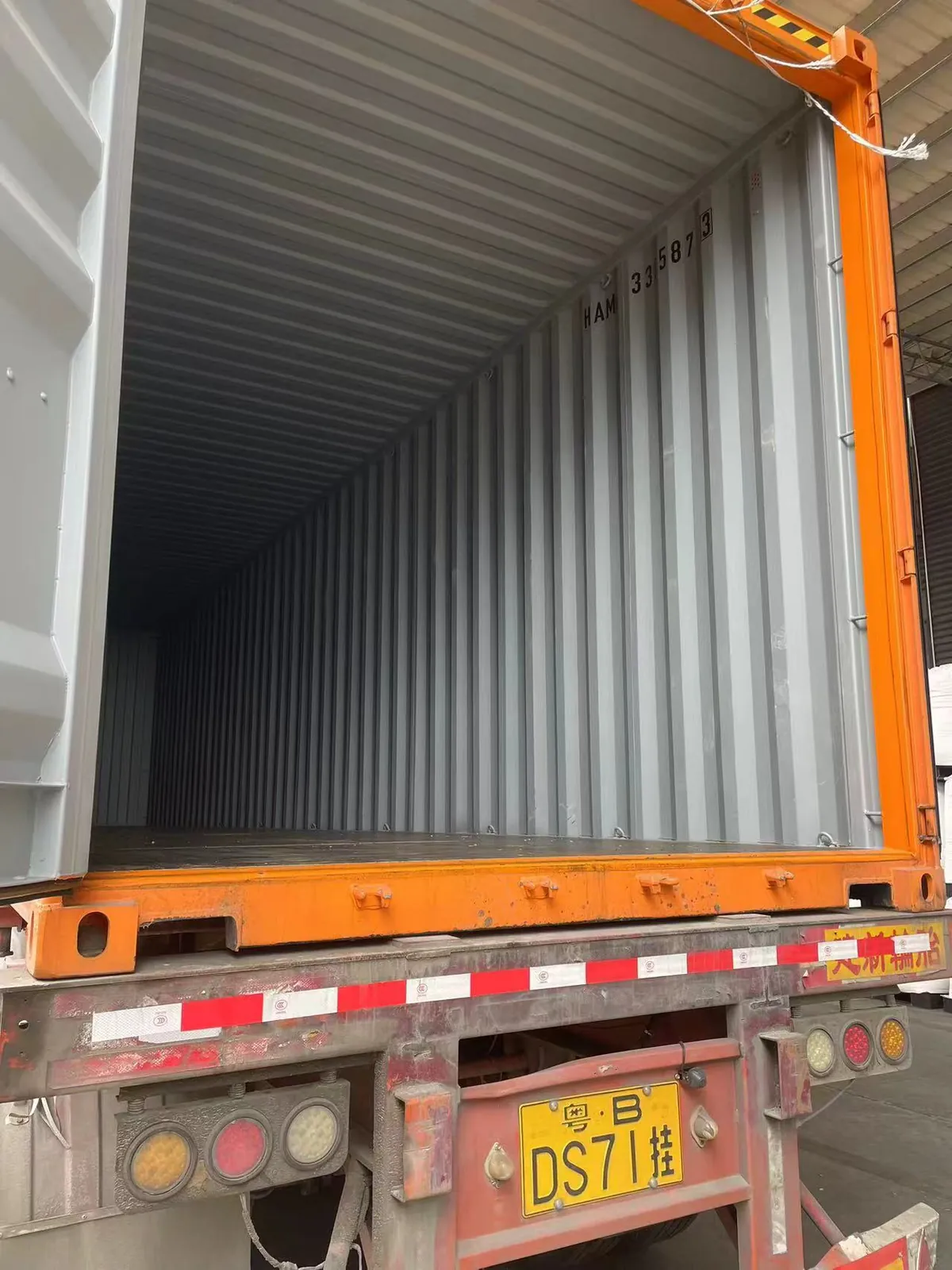
The empty interior matters
A photo of a full container proves that something was loaded. A photo of the empty interior first proves the container arrived clean, dry and without a previous load. Our team takes that frame before the first pallet goes in.
It is the least interesting image in the set and the one that settles the most disputes. Damage found at destination is much easier to discuss when the starting condition is documented.
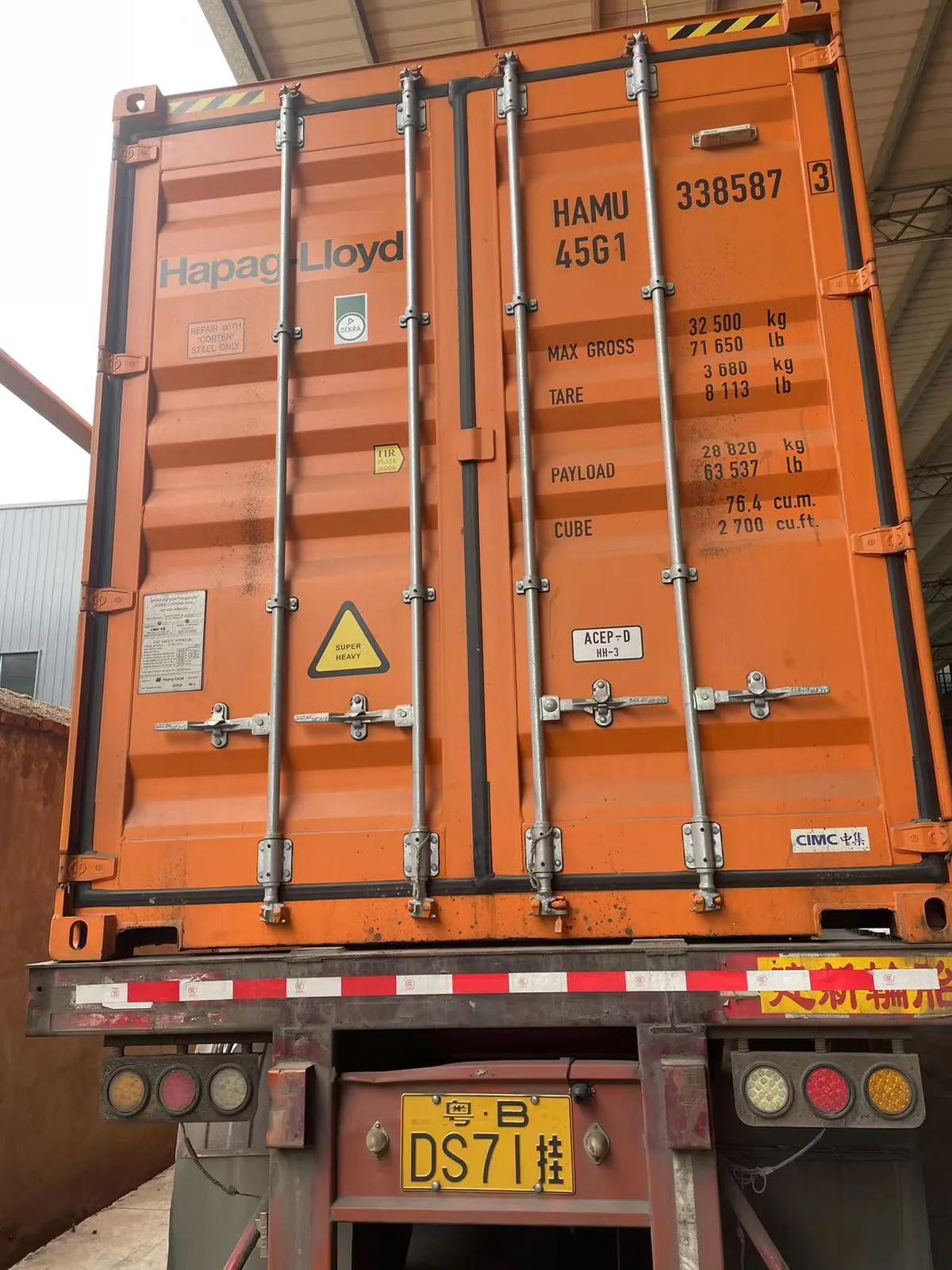
What the tail frame confirms
The final image shows the loaded container from the rear with the doors closed. It records that the loading finished and the shipment was secured. Paired with the exterior shot, it also lets a buyer match the container number to the documents.
Five photographs, one sequence, one date. We send them with the packing list rather than on their own. A picture without the list is a nice image; with the list it is a usable record.