
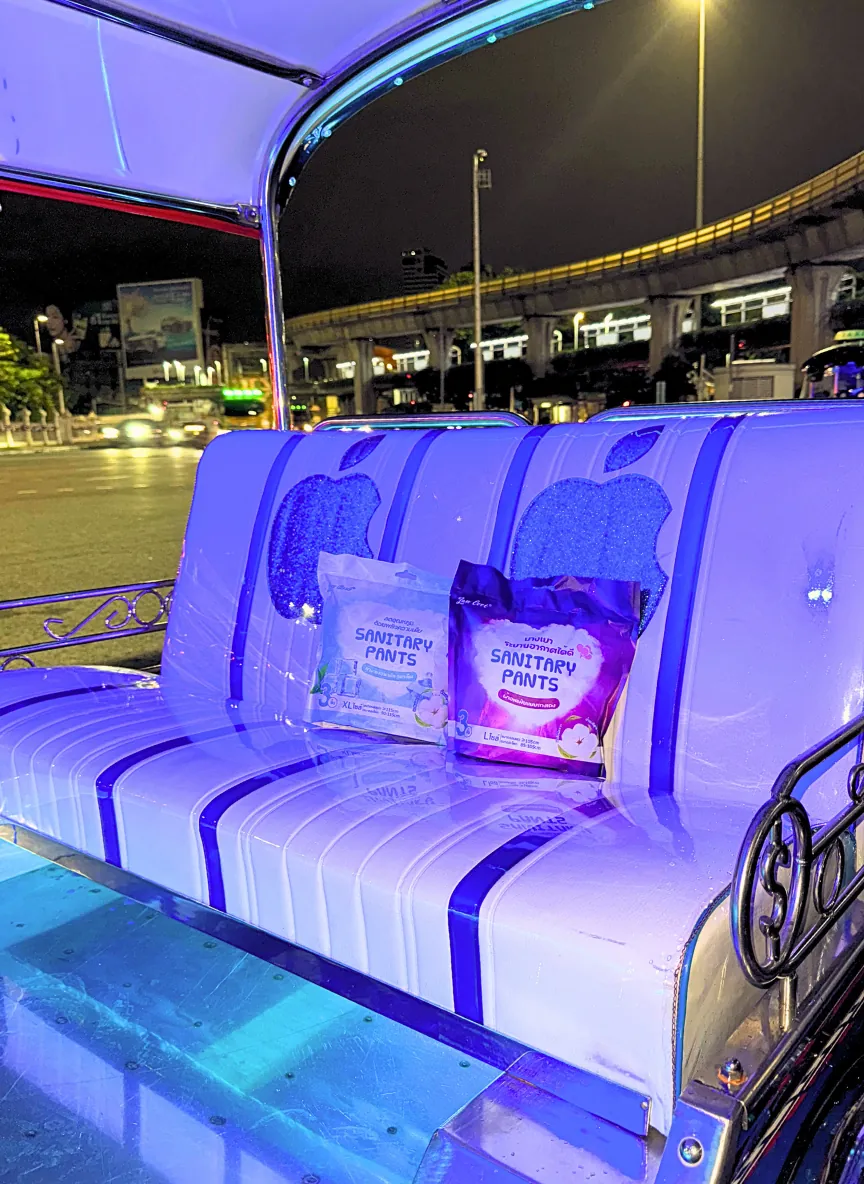
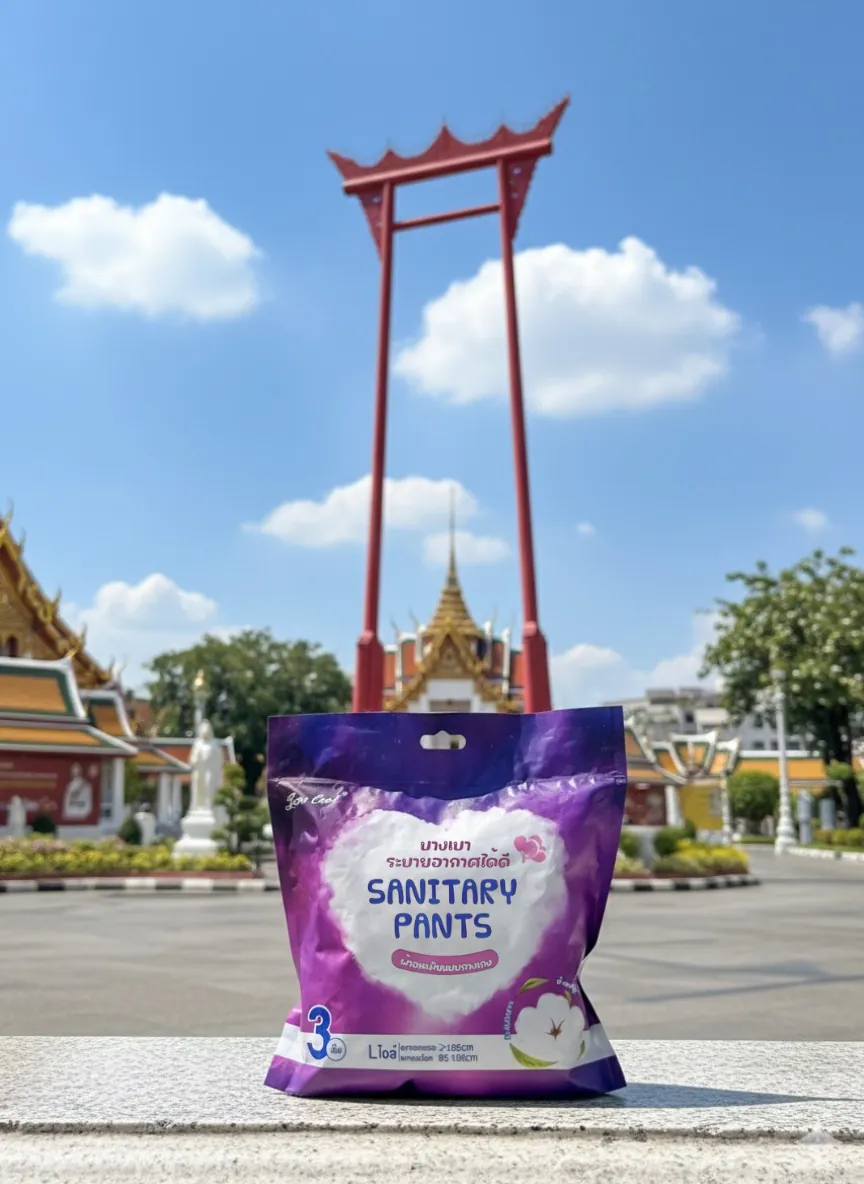
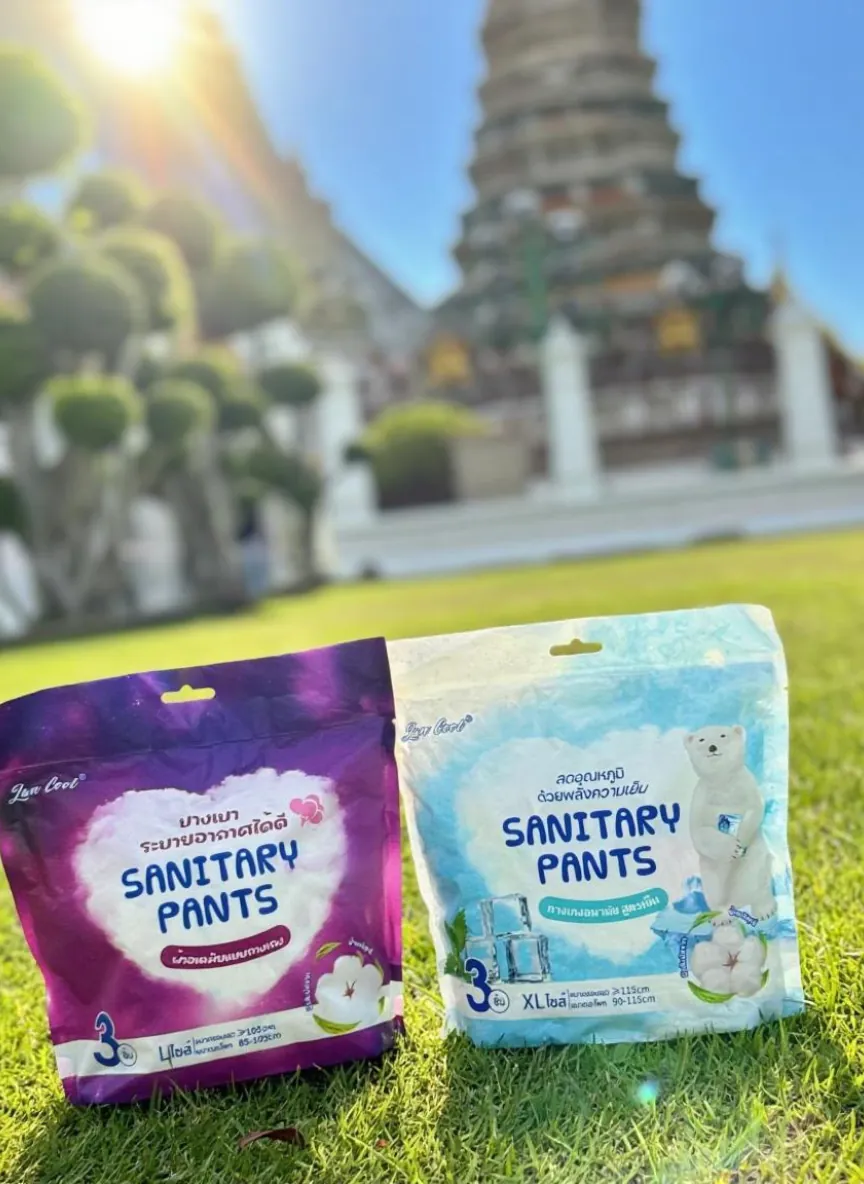
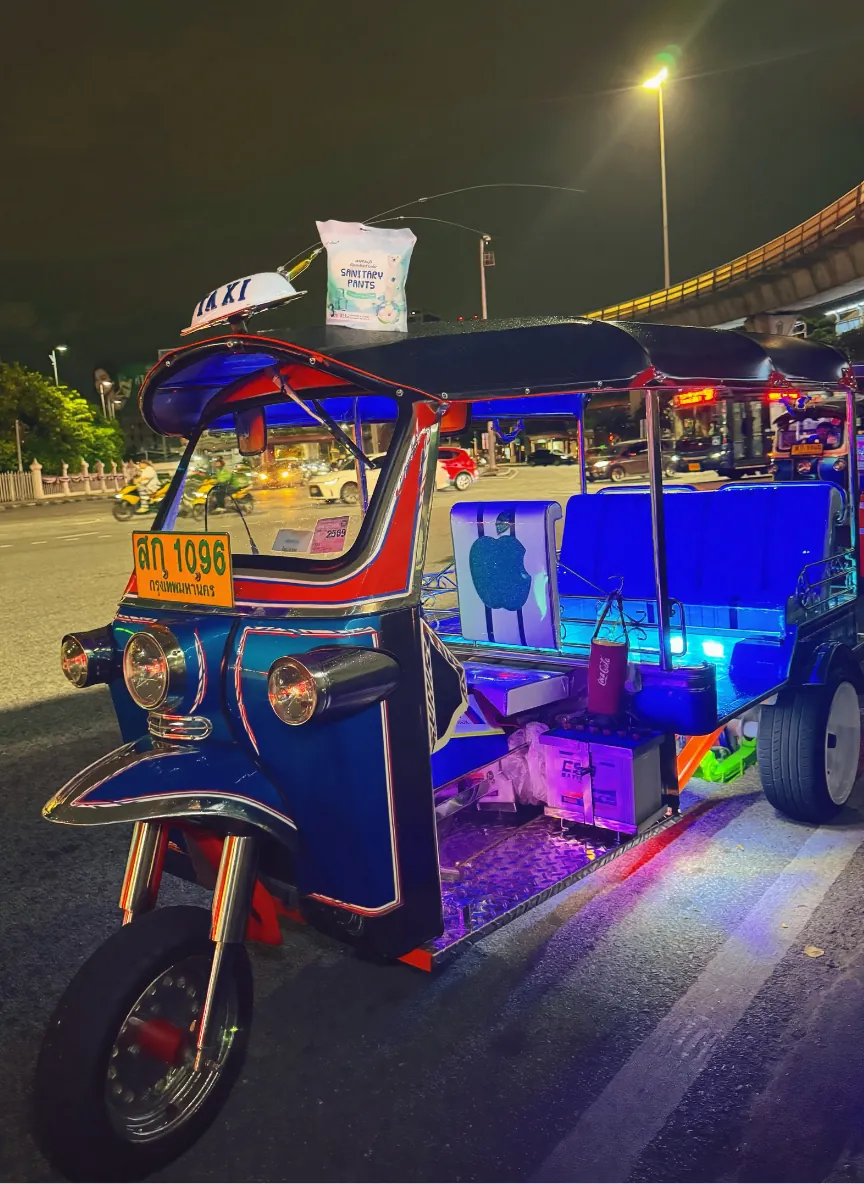
Four visuals, one pack. A swing, a local vehicle, a patch of grass, and a vehicle with the pack shown on its body at night. The pack stays the same while the setting changes. That consistency is the whole point of the set.
These are illustrative market compositions made to explore presentation. They are not records of a distribution channel, a retail placement or an advertising placement that has run. We label them that way in our project files.
What consistency actually tests
Repeating one pack across four scenes shows whether the front panel still reads when the background changes. A design that works against a plain studio backdrop can disappear against a busy street scene. Colour, contrast and the size of the product name are easier to judge in a set than in a single frame.
Our team uses these visuals for that narrow purpose. A buyer can say the word mark is too small in three of the four images, and the artwork can be adjusted before anything is printed.
What the set does not establish
Four consistent visuals do not show that a product is stocked in a market, that a campaign has run there, or that a particular claim is permitted on a pack. Those are separate questions with separate documents.
A vehicle image is a good example. It suggests a way of thinking about local colour, not an advertising booking. Our foreign trade team keeps that line clear when visuals are shared with a buyer.
A practical use for a buyer
If you are building a visual family for a launch, ask for the same pack in at least three different settings before approving the artwork. One strong hero frame hides weaknesses that four ordinary ones reveal. Then keep the set with the design files rather than with the shipment records.


