
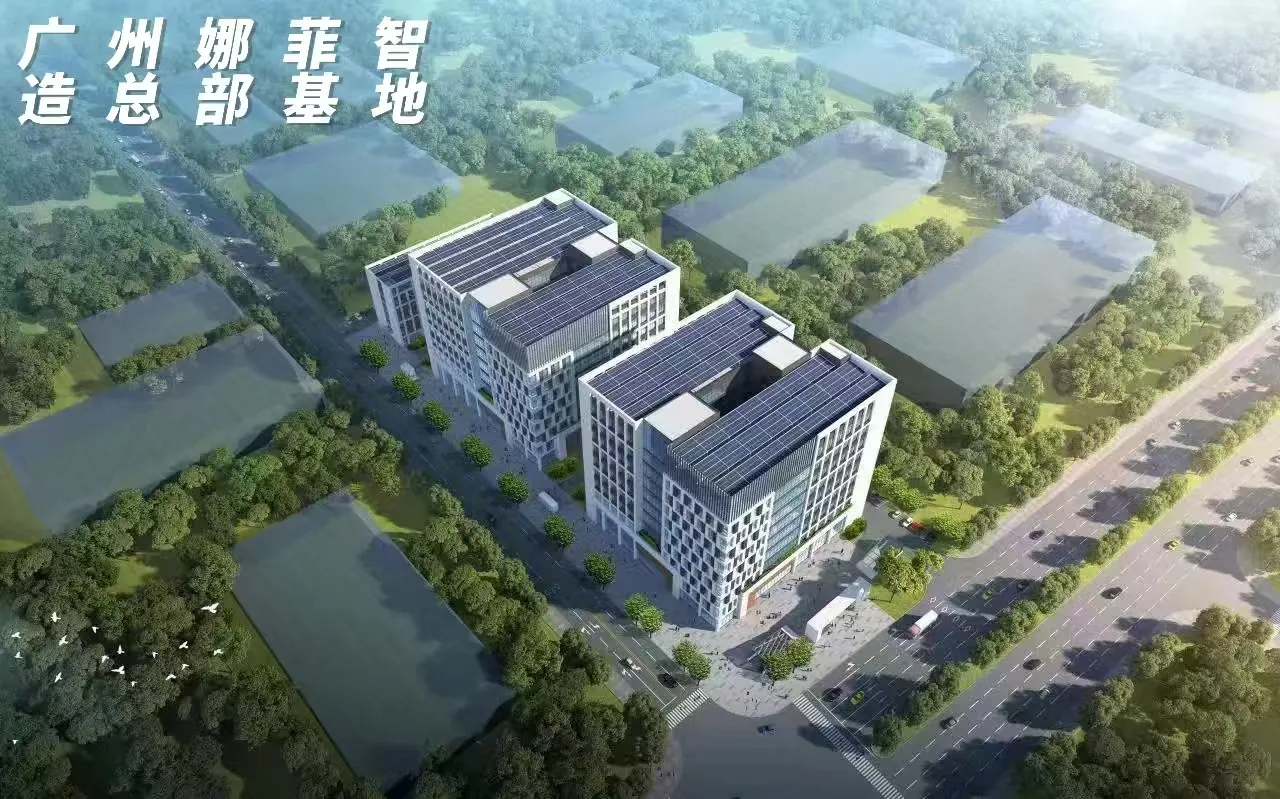
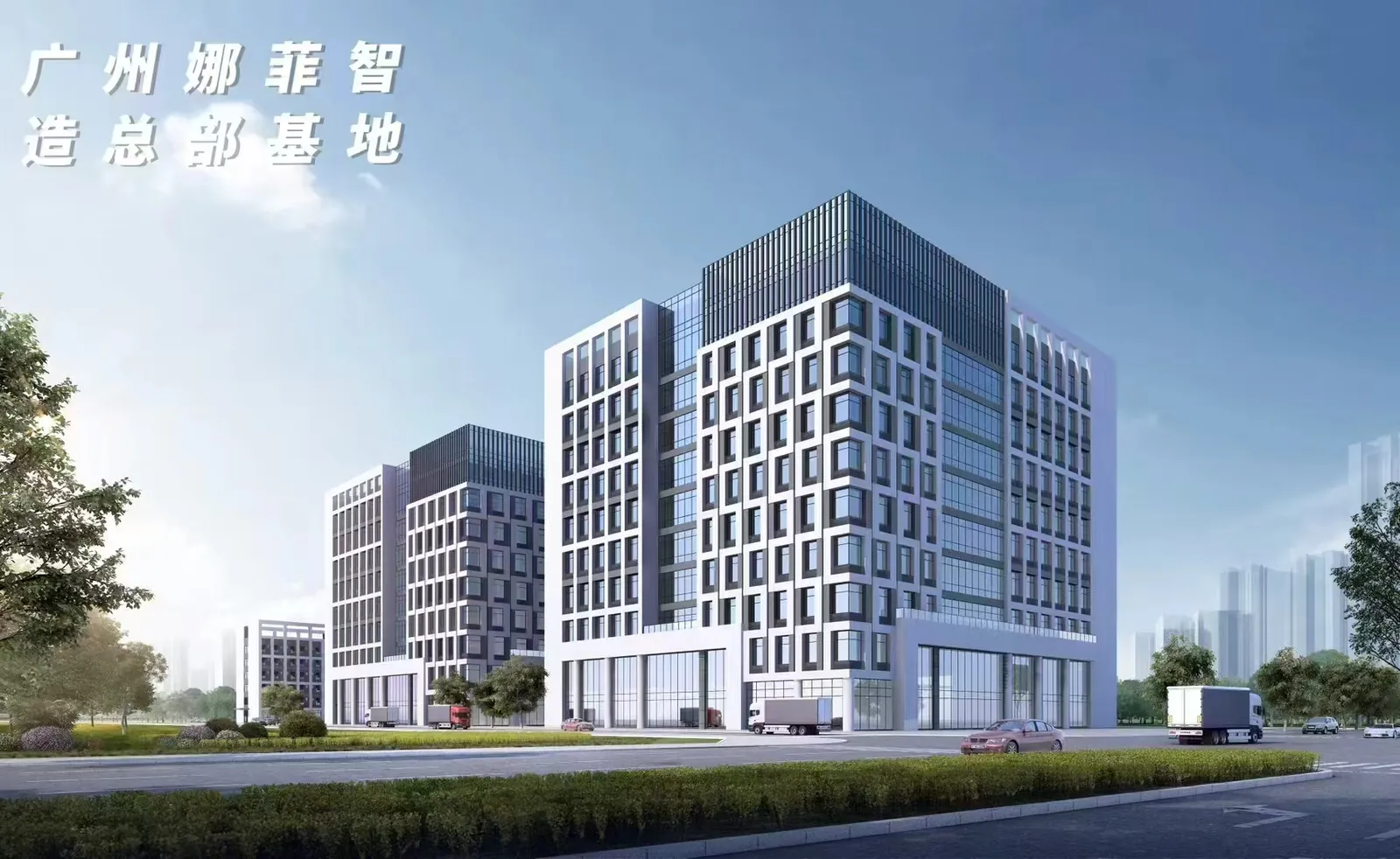
Two images in this set are architectural renderings. The other five are photographs of buildings, a facade, a gate and a construction milestone. We keep them in separate folders with different labels, because a buyer deserves to know which is which.
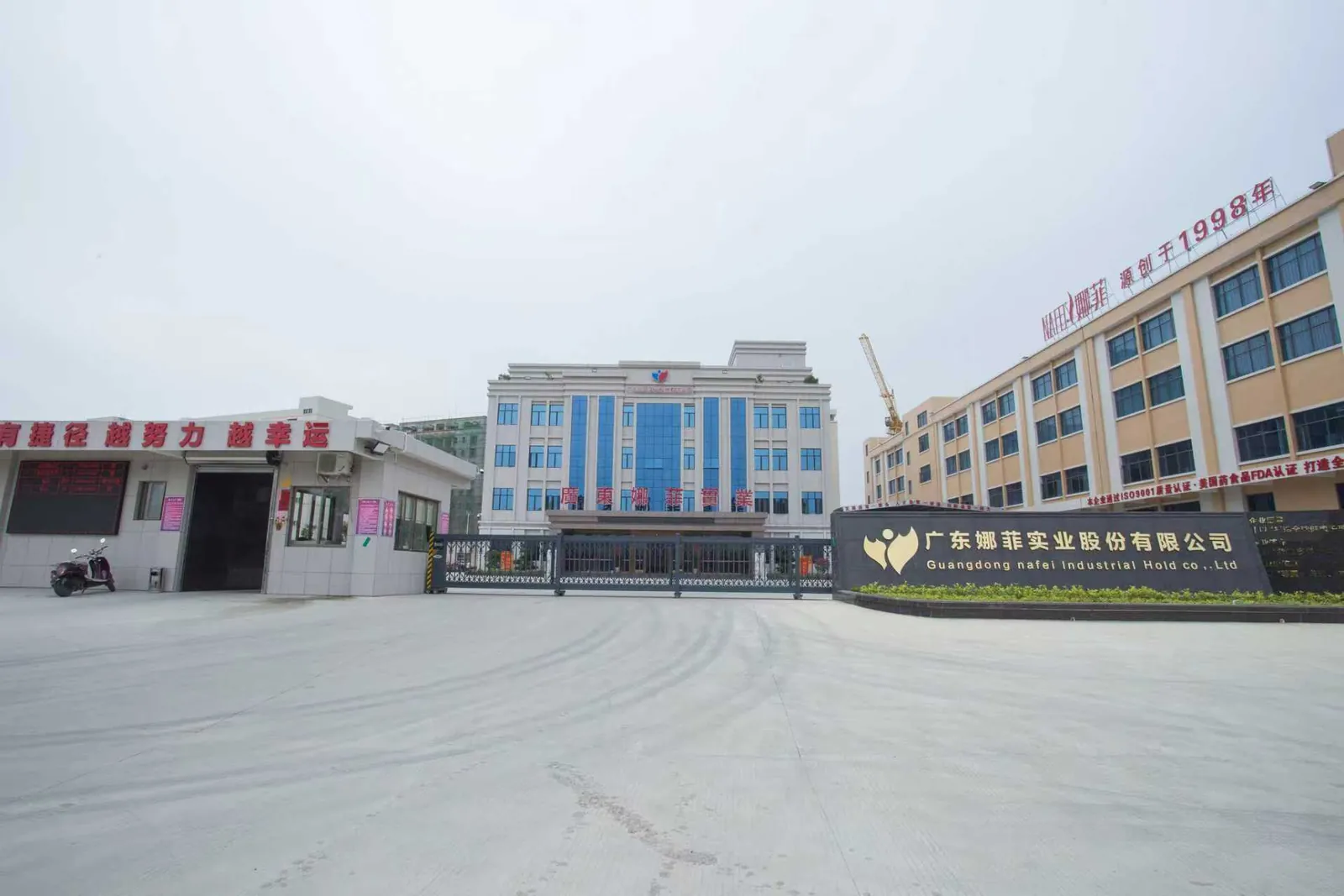
A rendering shows a plan. A photograph shows a site. Both have a place in a conversation about a supplier, but only one of them is evidence of what exists today. Our production site is in Shanwei, Guangdong, and that is the address we give a buyer who wants to visit a running line.
Where a rendering is genuinely useful
A planned building explains direction: how office, research and production space are intended to relate, and where future capacity is expected to sit. That is a reasonable question for a long-term supply discussion.
It is not an answer to a question about current output, current equipment or current inspection capability. For those we use dated photographs from a walk through the operating site. We label the two clearly wherever they appear together.
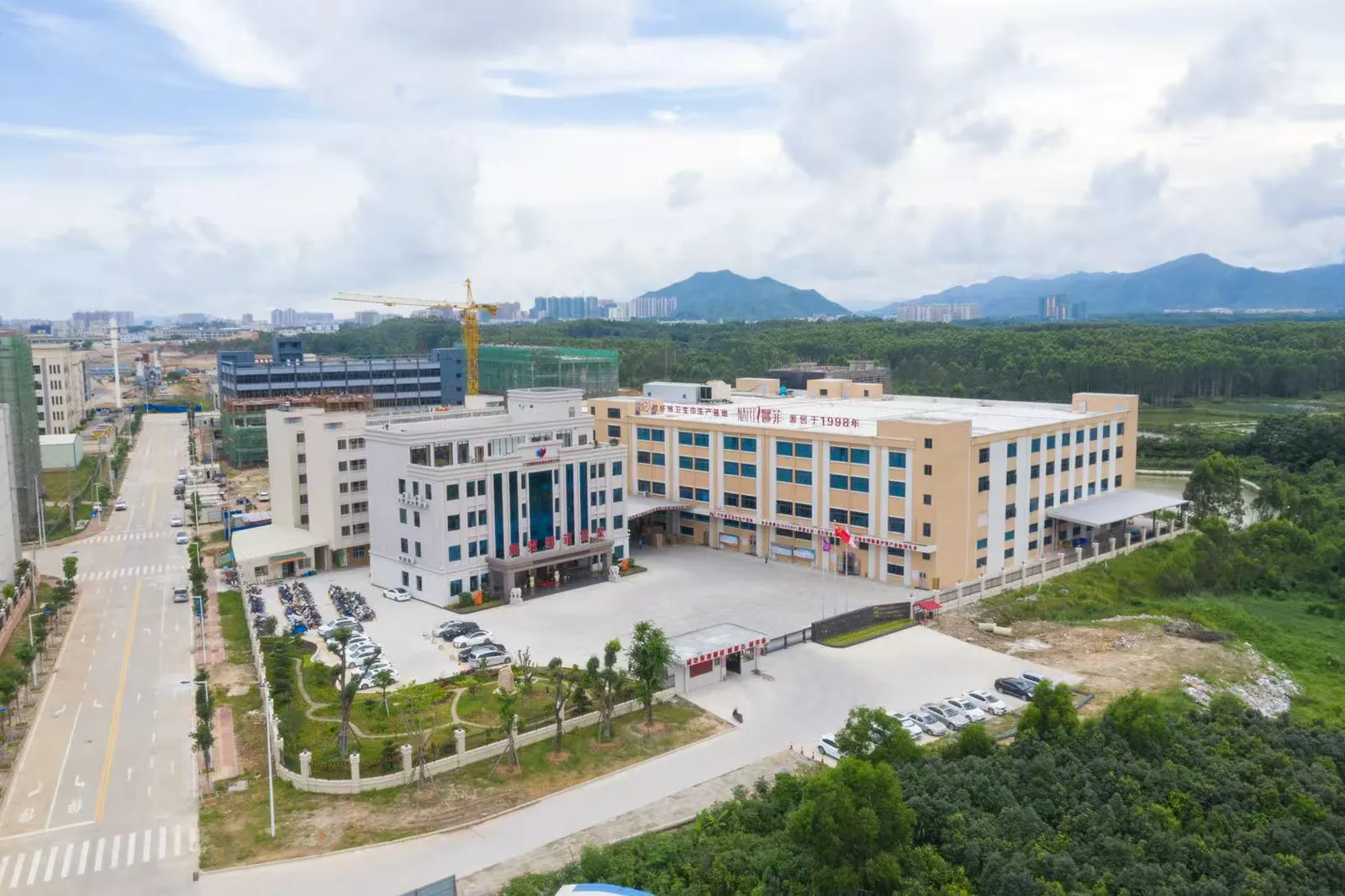
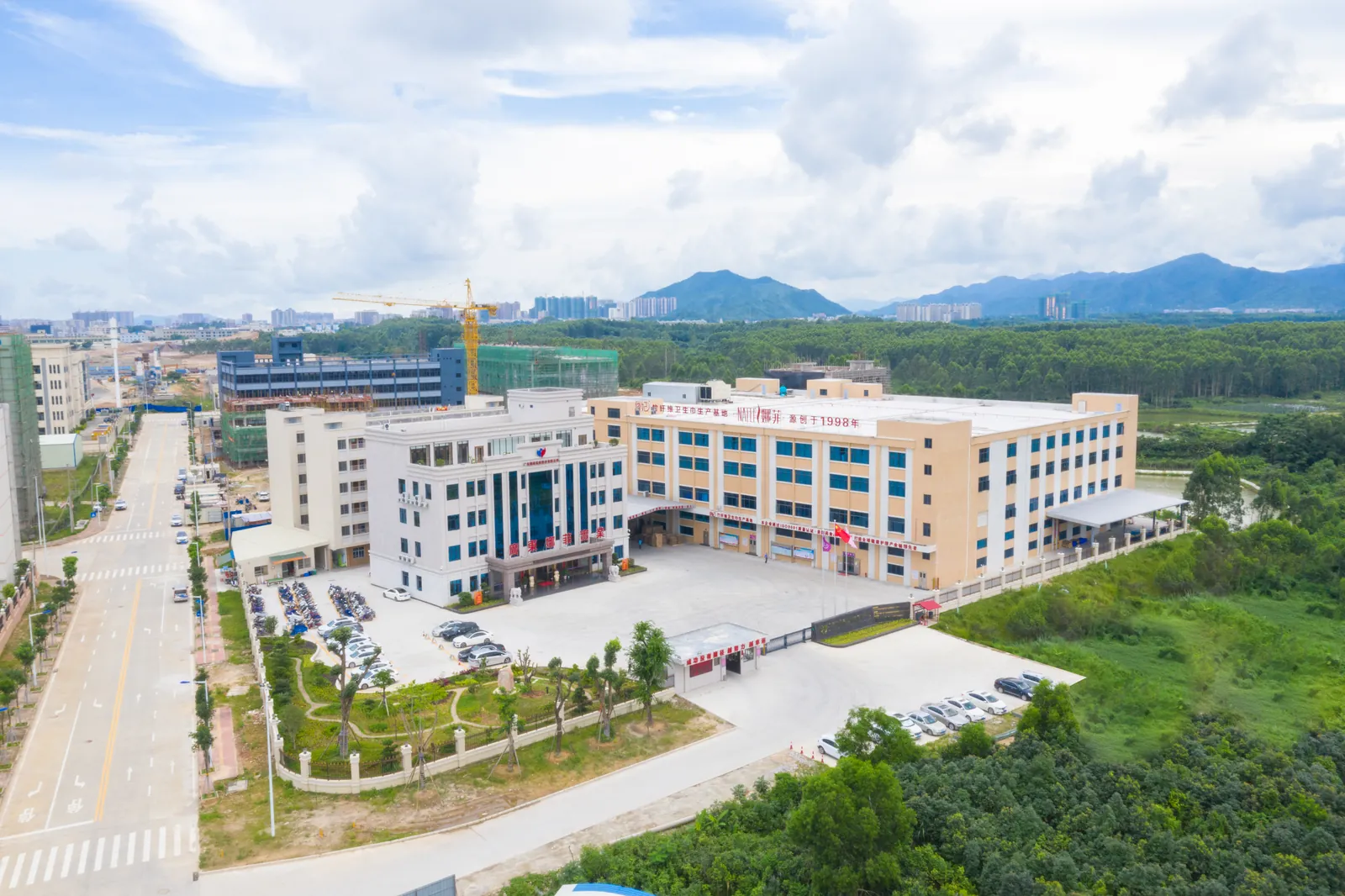
The five photographs in this set
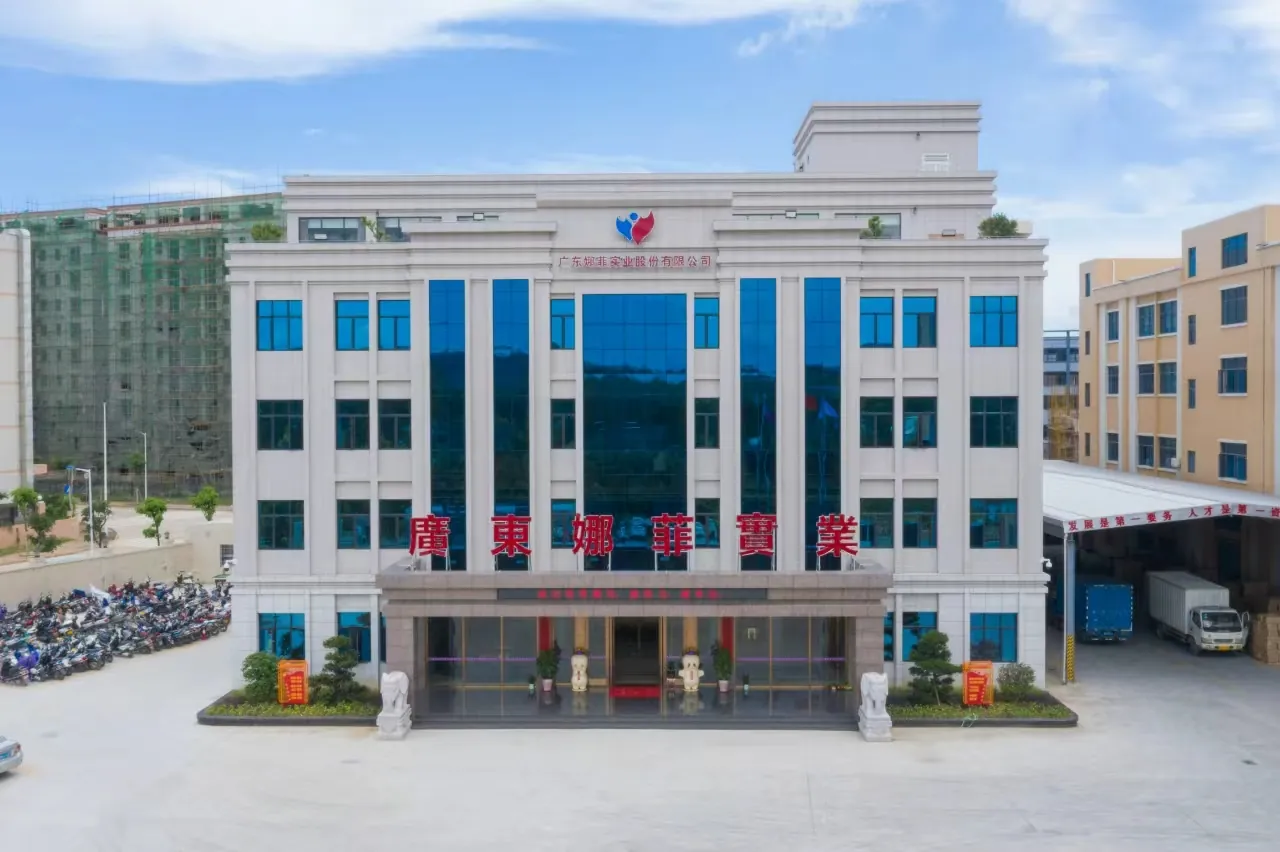
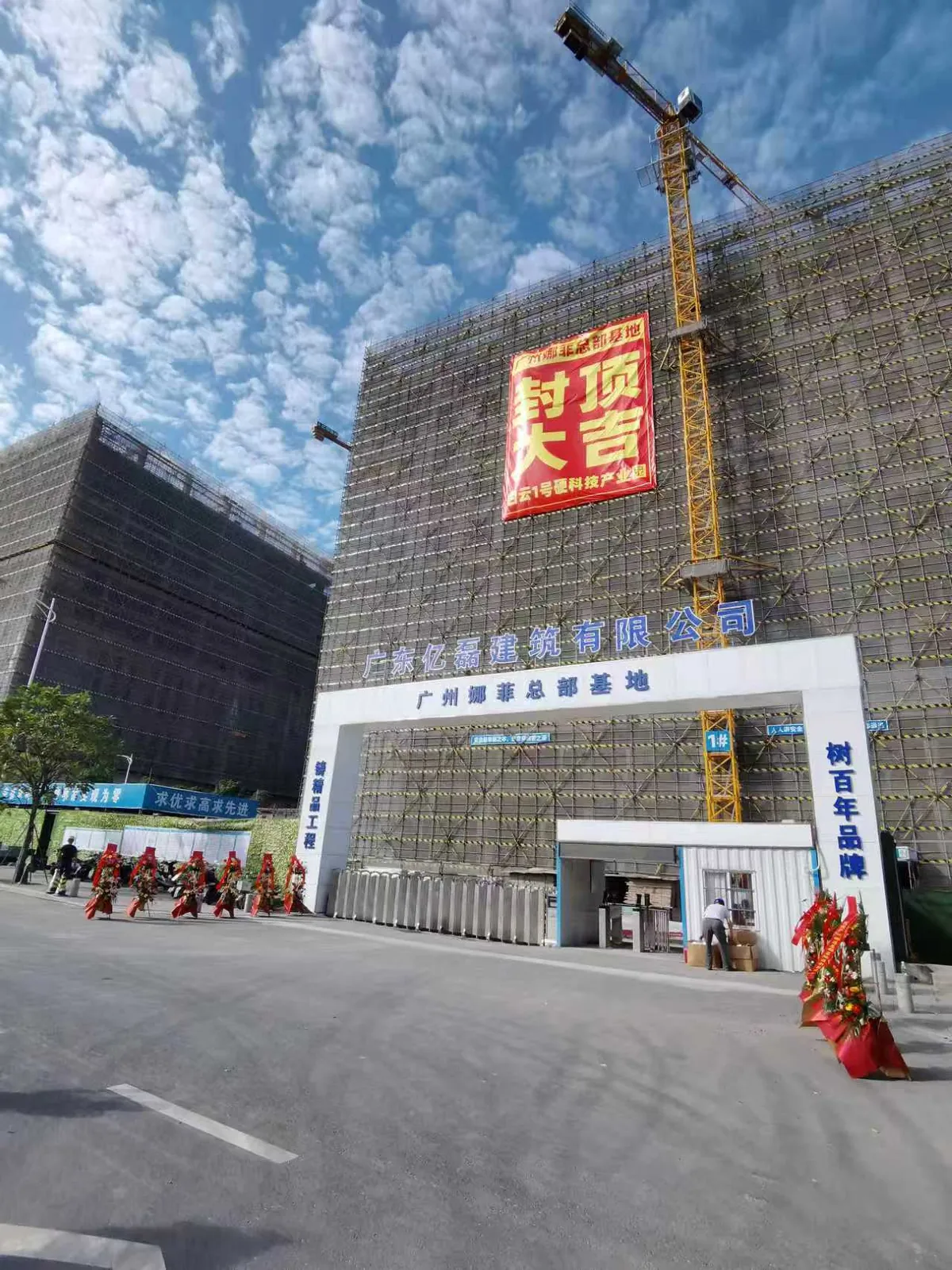
The rest of the frames show things a rendering cannot: a name on a wall, the entrance used by deliveries, a second view of the planned design, and a construction milestone with a dated banner. Individually each is unremarkable. Together they let a buyer separate plan from site.
Visitors often spend less time looking at the buildings than at the loading area and the sample room. That is fine. Those are the parts that affect an order.
What we ask buyers to do with the distinction
If a facility image matters to a sourcing decision, ask when it was taken and whether it is a rendering. We would rather answer that twice than have a plan mistaken for capacity. A factory visit can then be arranged at the operating site, with the current line and the current sample room on the itinerary.
Seven images, two of them illustrations. Labelling them properly is a small part of being a straightforward supplier.


