
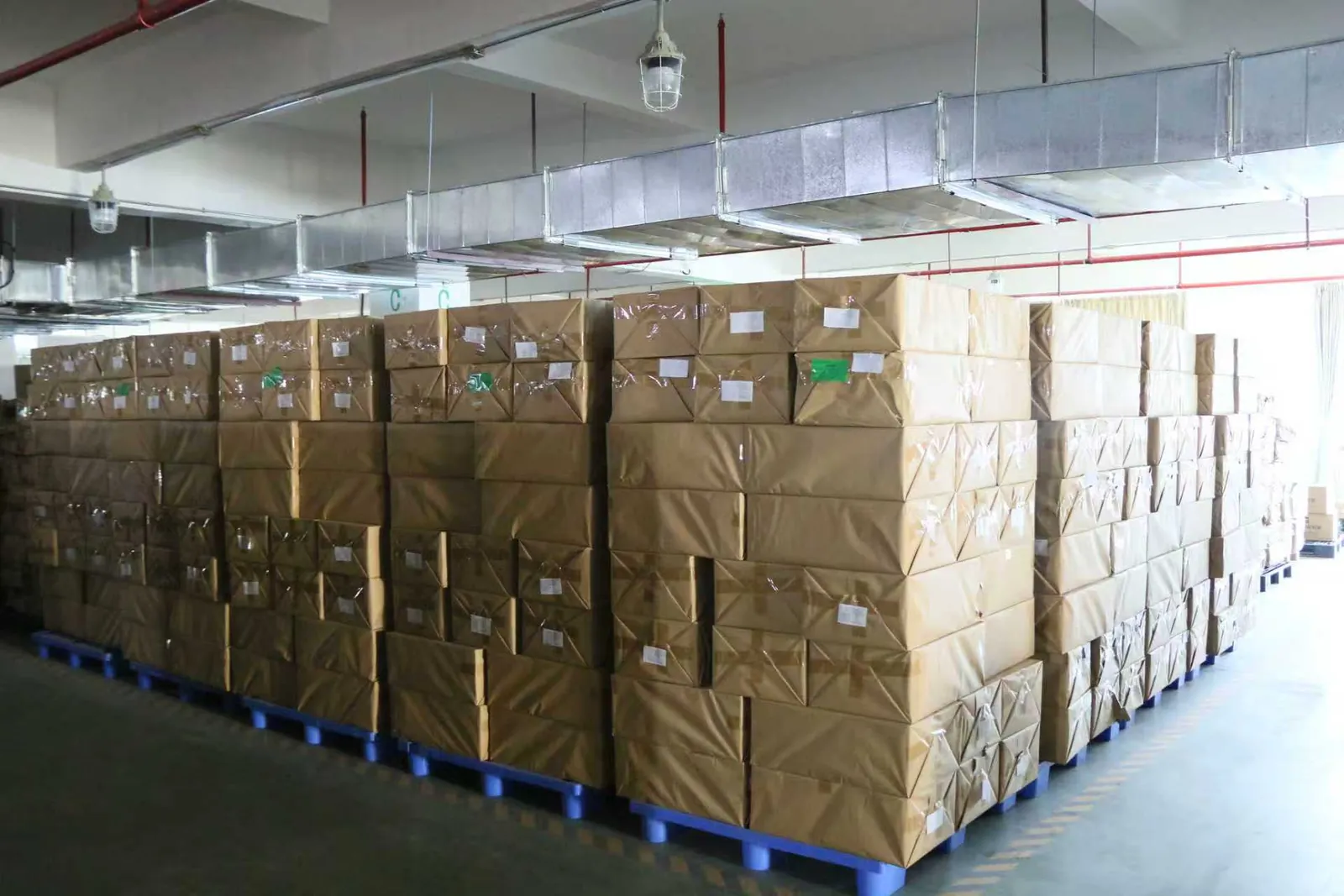
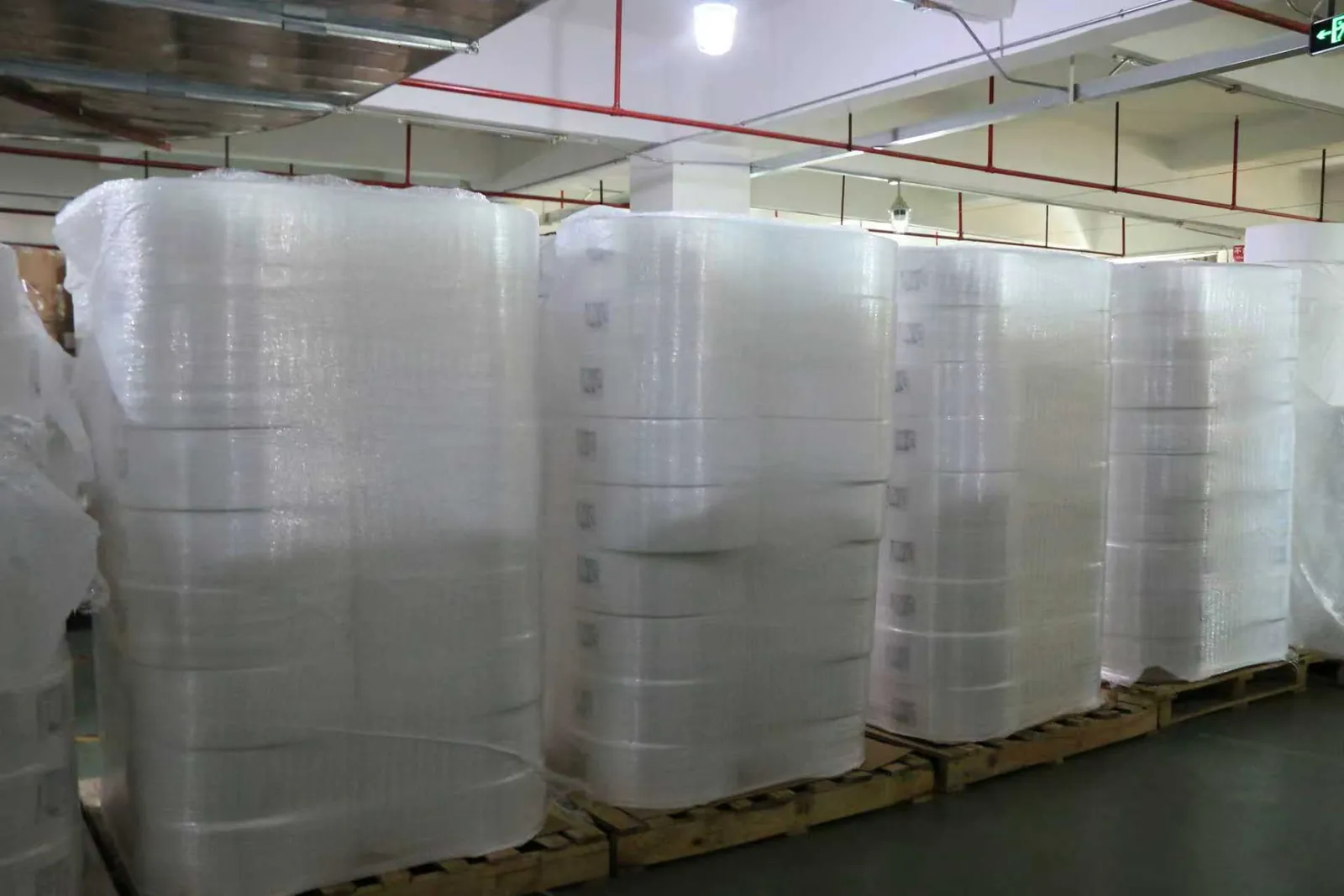
A finished goods photograph is easy to read as a capacity claim. We use these three frames for something narrower: the state of an order just before dispatch. Wrapped pallets, stacked cartons and a conveyor with bagged material each mark a different point in that sequence.
An export order is ready when the product, the pack, the outer carton and the documents agree with each other. A full warehouse does not tell you whether they do.
Counting is the first check
Before loading, the carton count is reconciled against the order. The printed mark on the outside is checked against the pack inside. Two numbers that do not match at this stage become a much larger problem at the destination.
Our team takes one carton from the stack and opens it at the warehouse, not at the port. It is a simple habit, and it catches the errors that a pallet photograph hides: a mixed pack count, an old artwork version or a label intended for a different market.
Why the mark matters as much as the pack
A shipping carton carries the specification, the quantity and the production date. Buyers sometimes treat that as packaging administration. It is also the only information available to someone receiving a container who has never seen the artwork files.
We ask for the carton mark text to be confirmed in writing before printing. A late change to a pack count can be handled on a line. The same change on a printed carton means reprinting or relabelling every outer.

A note on what ready means
Ready is a document state as much as a physical one. The three photographs show cartons, a pallet and a conveyor. None of them shows packing lists or the destination requirements that decide whether those cartons can be shipped at all.
When a buyer asks for a dispatch date, our foreign trade team checks the stack and the mark, then the paperwork. In that order.


