
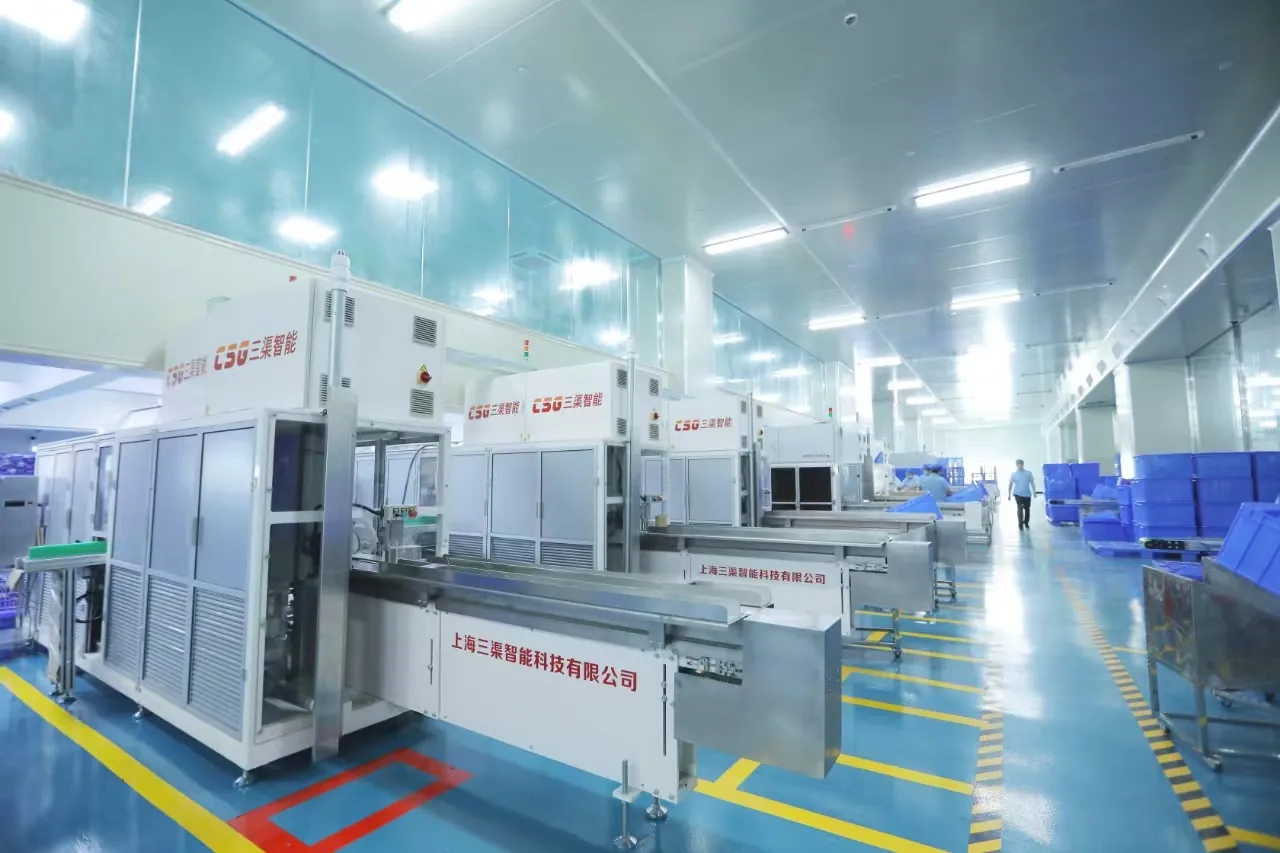
A wide workshop photograph and a close frame of the same line are often filed together. They answer different questions. The wide shot shows layout, space and how a person moves through the area. The close shot shows the material path and the state of the equipment.
Buyers tend to ask for the wide image first and then request the close one after a meeting. That order makes sense. A layout question comes before a process question.
What the wide frame can and cannot show
A wide shot establishes that an area exists and that it is organised. It cannot show whether a sealing step is stable or whether a material is tracking correctly. We avoid making process claims from a wide photograph, even a flattering one.
The useful details in a wide frame are spacing, lighting, floor state and the position of the operator stations. Those are the things a visiting buyer can verify in person within a minute of walking in.
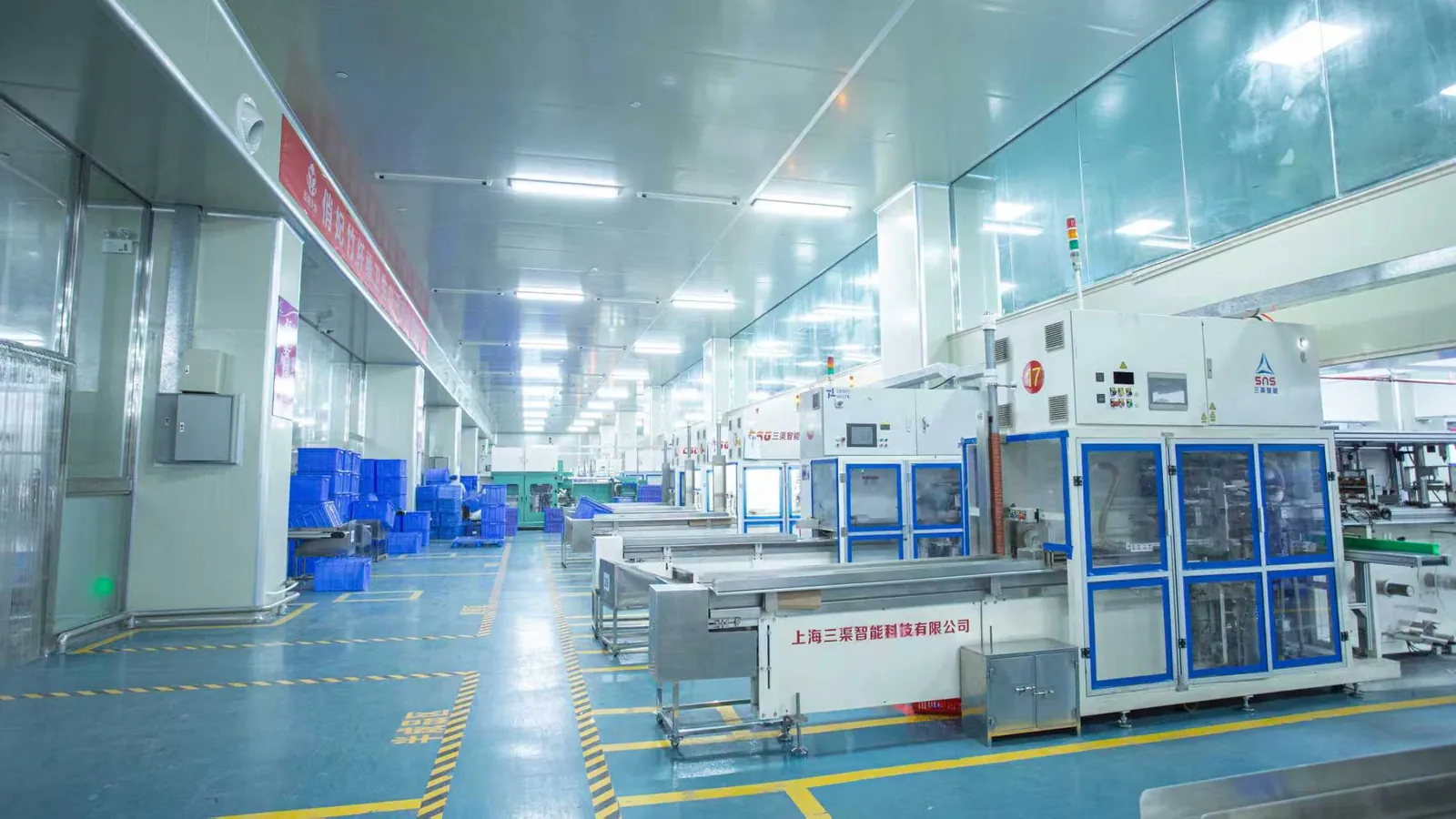
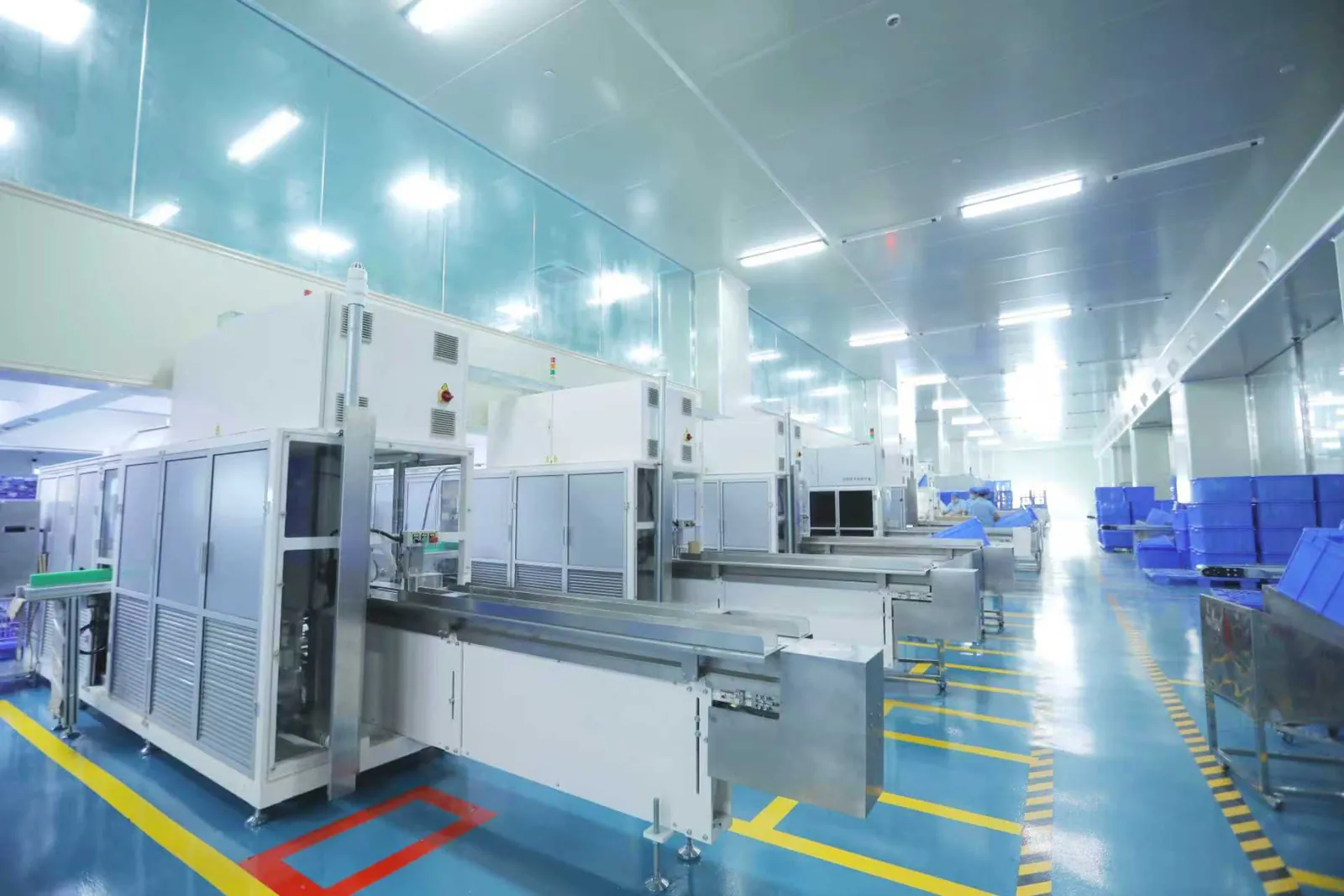
Why we keep duplicate angles
Two photographs of nearly the same view look redundant in a gallery. They are useful when something has changed. A guard moved, a station added or a sample table relocated is easier to spot against an earlier frame from the same position.
Our team dates these images and keeps them with the visit notes. When a buyer asks whether a line has been rearranged, the comparison takes seconds instead of a round of photographs.

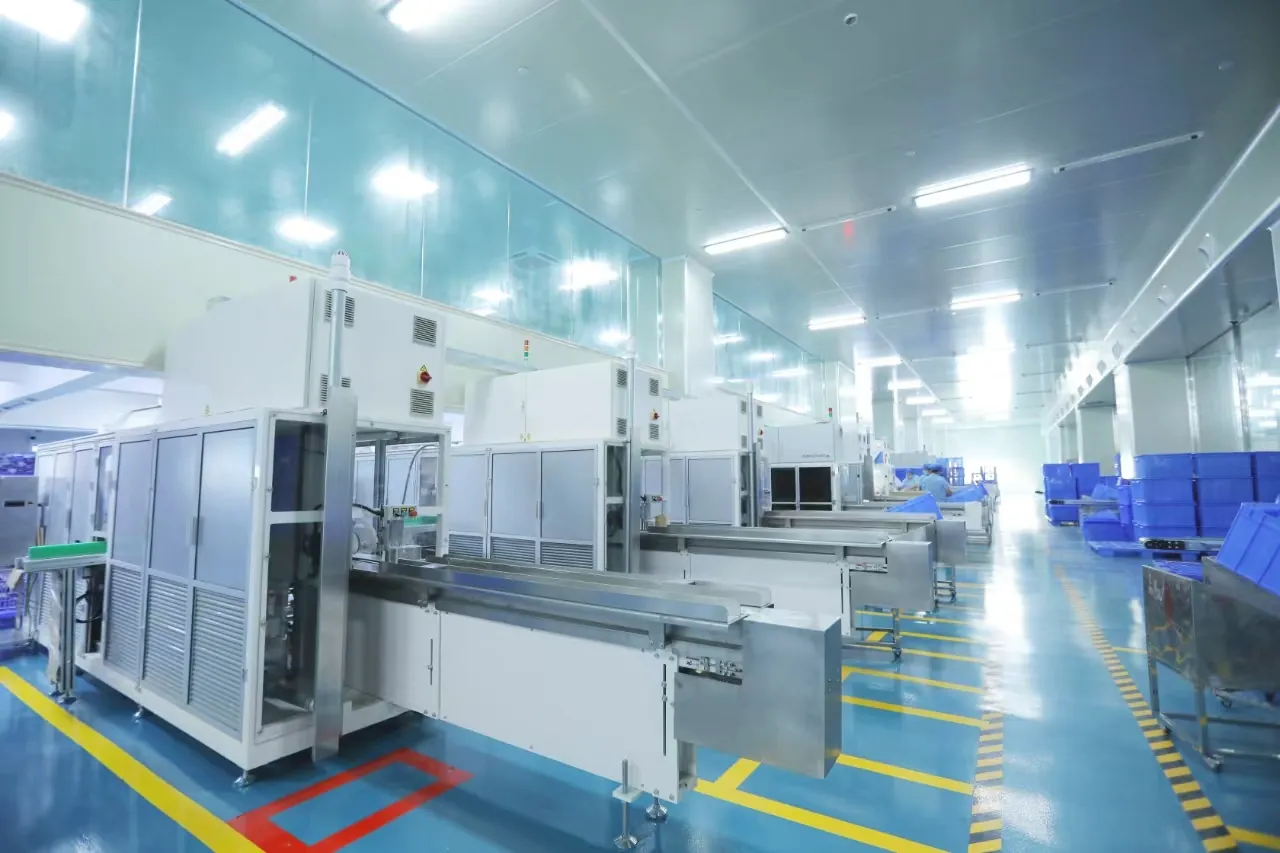
A practical note for factory audits
If you cannot visit, ask for both views from the same date. A single wide image proves little on its own, and a single close image has no context. Two dated frames from one walk through the area are a reasonable starting point for a technical discussion.
Five photographs here cover one production area. They are a record of a walk, not a claim about output.


