
Buyers choosing personal care products for retail stores often assume one specification will serve every shelf. It will not. A pharmacy asks for panel information and a readable unit barcode, a supermarket asks for case quantities that fit its backroom, and a convenience store asks for a small single unit that can be bought in a hurry. Each of those requests changes something the plant has to produce, not just something the sales team has to say.
What personal care products for retail stores must carry
Every retail channel needs a unit that can be scanned, identified and counted, but the required fields differ. Panel wording, the barcode symbology, the language set, the pack count and the outer case quantity are all specification fields. Freeze them per channel instead of trying to design one universal wrapper, because a universal wrapper usually ends up carrying several language panels and a case quantity that suits nobody.
Write a separate dated schedule for each channel format. An OEM production specification is where construction, the material list and the carton plan are fixed; the channel-specific wrapper and barcode belong in a versioned annex. That split lets a local wording change happen without reopening the product construction.
Pharmacy and drugstore requirements
A pharmacy buyer normally asks for clear panel information, a scannable retail barcode on the unit, and a case quantity that matches how the shelf is replenished. They may also ask for a product data sheet that states pack dimensions and the material list in writing. These are document requests as much as product requests, and they should be listed before artwork is approved.
Agree who signs off the panel text. The plant can supply pack dimensions, the material list and the measurements taken in incoming checks, but it should not write a market claim it has not verified in that country. Keep the claim wording with the brand owner and the underlying facts with the plant.
Supermarkets and the case quantity question
A supermarket works in cases, not single units. The case quantity determines the carton dimensions, the shipping mark and how many cases fit on a pallet, which in turn determines the freight cost per unit. If the case quantity is chosen late, the carton plan has to be redrawn after the wrapper artwork has already been approved, and both documents change together.
| Channel | Unit format | What the plant must version |
|---|---|---|
| Pharmacy | Single retail pack with panel text | Artwork file and unit barcode |
| Supermarket | Case-oriented pack count | Carton plan and shipping mark |
| Convenience | Small single wrapped unit | Wrapper size and inner count |
| Baby store | Mixed starter assortment | Picking list per carton |
The last row is easy to underestimate. A mixed assortment carton needs a picking list that names each format and its quantity, plus a carton mark that says the carton is mixed. Without those, a warehouse picker will treat it as a single-format carton and the retailer will receive the wrong assortment.
Convenience and emergency purchases
A convenience buyer wants a unit that can be understood in a few seconds at the shelf: one wrapped pad or one pair of period pants, a legible size or absorbency indicator, and a small outer that fits a limited shelf depth. That means a thinner wrapper and a smaller carton, which changes the converting settings and the case plan at the same time.
Ask whether the unit needs a hanging tab or a shelf-ready outer before artwork is finalised. Both are physical features with a die-line and a cost, and neither can be added by changing the printed file alone. Factory capability can outline which construction changes affect the line and which affect only the artwork.
Barcode and artwork version control
Give every channel format its own artwork version identifier and its own barcode record. A barcode that is reused across two pack counts creates a scanning problem at the till and a counting problem in the warehouse. Keep a revision log with the approver name and the date, and state when an old version stops being picked.
- One artwork version identifier per channel format.
- One barcode record per pack count and per market.
- A dated approval with the name of the approver.
- A physical reference sample held at the plant and with the buyer.
- An end date for any retired version before the next picking run.
The reference sample is the cheapest control available. When a reorder arrives, both sides can compare the physical object rather than describing a colour or a panel over a message thread. It also makes a later dispute about a mixed carton much shorter.
Documents a retailer will ask for
A retail onboarding pack usually asks for a product data sheet, pack and carton dimensions, the material list, the barcode record and a statement of where the goods are produced. Prepare these as dated documents tied to the specification version. A buyer comparing personal care products for retail stores will check that sheet against the carton in front of them, so a data sheet describing an earlier artwork version is worse than no sheet at all.
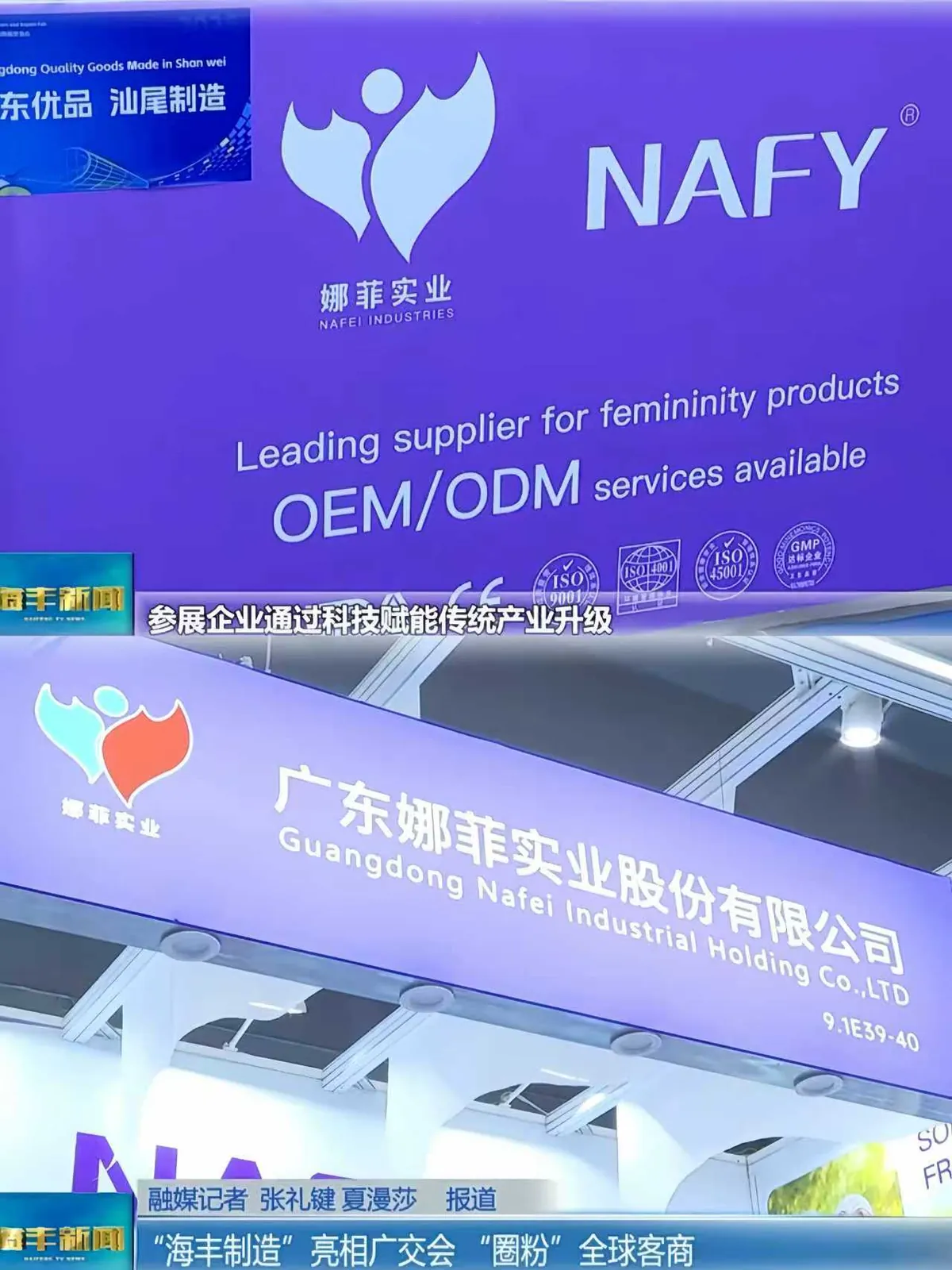
State plainly that goods are produced in China and ship from China, with no factory, office or local stock in the retailer market. Guangdong Nafei describes the producer and the records it keeps, so a retailer question about origin can be answered from a document rather than from a sales conversation.
Opening a new channel after the first season
Add a channel as a new dated version, not as an informal variation of the existing wrapper. The new pack count or panel set needs its own artwork file, carton plan and picking instruction, and the old version needs to remain identifiable while stock is still in the channel. Retire it with an end date once the last carton has shipped.
Review the channel table after the first season: which formats actually reordered, which artwork versions were used, and where a call-off differed from the forecast. The team can help turn that review into a clean production brief for the next slot.
Questions buyers ask before the first order
Why can one specification not serve every retail channel?
Because panel wording, barcode, pack count and case quantity are specification fields that differ by channel. A pharmacy needs readable unit information, a supermarket works in cases, and a convenience shelf needs a small single unit; each changes the wrapper or the carton plan.
Who should sign off the panel text on a retail pack?
The brand owner should, because that party is accountable for compliance in the destination market. The factory supplies pack dimensions, the material list and the measurements from incoming checks without endorsing claim wording it has not verified.
Why does case quantity matter so early?
It sets the carton dimensions, the shipping mark and how many cases fit on a pallet, which determines freight cost per unit. Choosing it late forces the carton plan and the approved artwork to change together.
Can one barcode be reused across pack counts?
No. A reused barcode creates a scanning problem at the till and a counting problem in the warehouse. Give each pack count and each market its own barcode record and its own dated artwork version identifier.
Where are the goods produced and who keeps the records?
Goods ship from China with no factory, office or local stock held in the retailer market. The plant keeps production, carton and lot records while the buyer keeps sales and retailer records, and both must reference the same specification version.


