What 'Sanitary OEM' Actually Means: A Private-Label Buyer's Glossary
2026-06-05
If you're new to sourcing feminine hygiene, the acronym soup hits fast: OEM, ODM, OBM, private label, contract manufacturing. Sellers use them loosely, sometimes to sound bigger than they are. So here's the plain version, from inside a factory that does all of it.
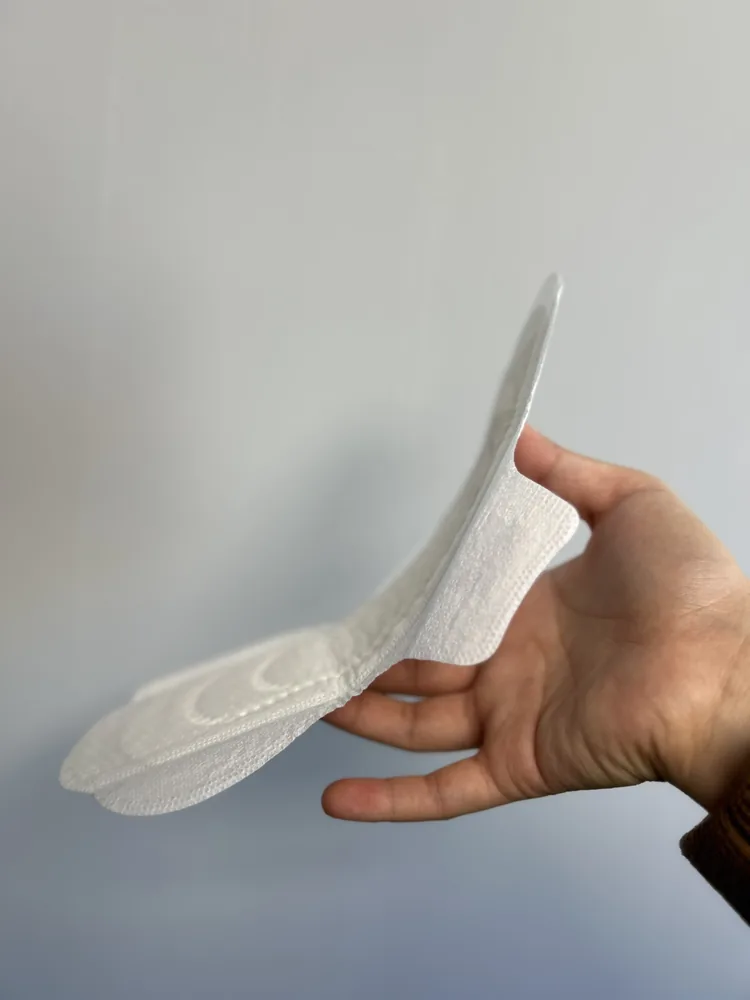
OEM — you bring the brand, we bring the line
OEM means original equipment manufacturing. You own the brand, the pack design, often the spec; we own the production. You tell us the absorbency, the topsheet feel, the pack count — we make it. The risk and the margin sit with your brand, which is why OEM buyers need to actually understand the spec instead of trusting a catalog.
ODM — we bring a finished design, you put your name on it
ODM is original design manufacturing. We've already developed the product; you pick from our existing platforms and label it. Faster to market, less customization. The line between OEM and ODM blurs when a buyer tweaks an ODM platform — which is most of what we actually do. Our OEM vs ODM breakdown goes deeper on where the cost differences live.
The letters matter less than who controls the spec. If you don't control it, you're buying a mystery.
Private label — the retail-facing word
"Private label" is what the supermarket calls it: their brand, our factory. Technically it's usually ODM or light OEM. Don't get hung up on the term; ask what you're allowed to change. If the answer is "nothing," you're buying a white box, not a product.
Contract manufacturing — the umbrella
Contract manufacturing just means "we make it under a contract." It covers OEM, ODM, and everything between. It's the safest, vaguest term, which is why trading companies love it.
What you should actually control
- The spec: topsheet, SAP grade, core structure, not just "make it soft."
- The sample: an approved golden unit your mass run is measured against.
- The docs: test data and traceability your market's regulator will ask for.
If a supplier won't let you touch those three, the acronym on their card doesn't matter. The supplier vetting guide is where I'd go next.
Is OEM better than ODM?
Neither is "better" — they trade speed for control. ODM gets you to market fast on a proven platform; OEM gives you a product that's actually yours. Most real projects are a tweaked ODM, which is why the distinction blurs in practice.
Can a small brand use OEM?
Yes, if you pick a manufacturer with flexible MOQs and mixed loading. You don't need a container of one SKU to start — you need a supplier willing to run a sensible entry batch and a sample you've approved.
What's the difference between private label and OEM?
Private label is the retail term for "your brand, our factory" — usually ODM or light OEM. OEM strictly means you specify the product. Ask what you're allowed to change; that tells you which one you're really getting.
Should I worry if a supplier only offers "contract manufacturing"?
The term itself is fine — it's an umbrella. Worry only if they can't tell you whether you'll control the spec, the sample, and the technical docs. Vagueness there is the real warning sign.
Turn this guide into an OEM brief
Share your product direction, target market, packaging idea and sample questions. Nafei can help translate the buying guide into a practical RFQ discussion.
- Product type: period pants, sanitary pads or mixed OEM project
- Target country, channel and buyer positioning
- Size range, material preference and sample review focus
- Private label artwork, pack count and estimated quantity