
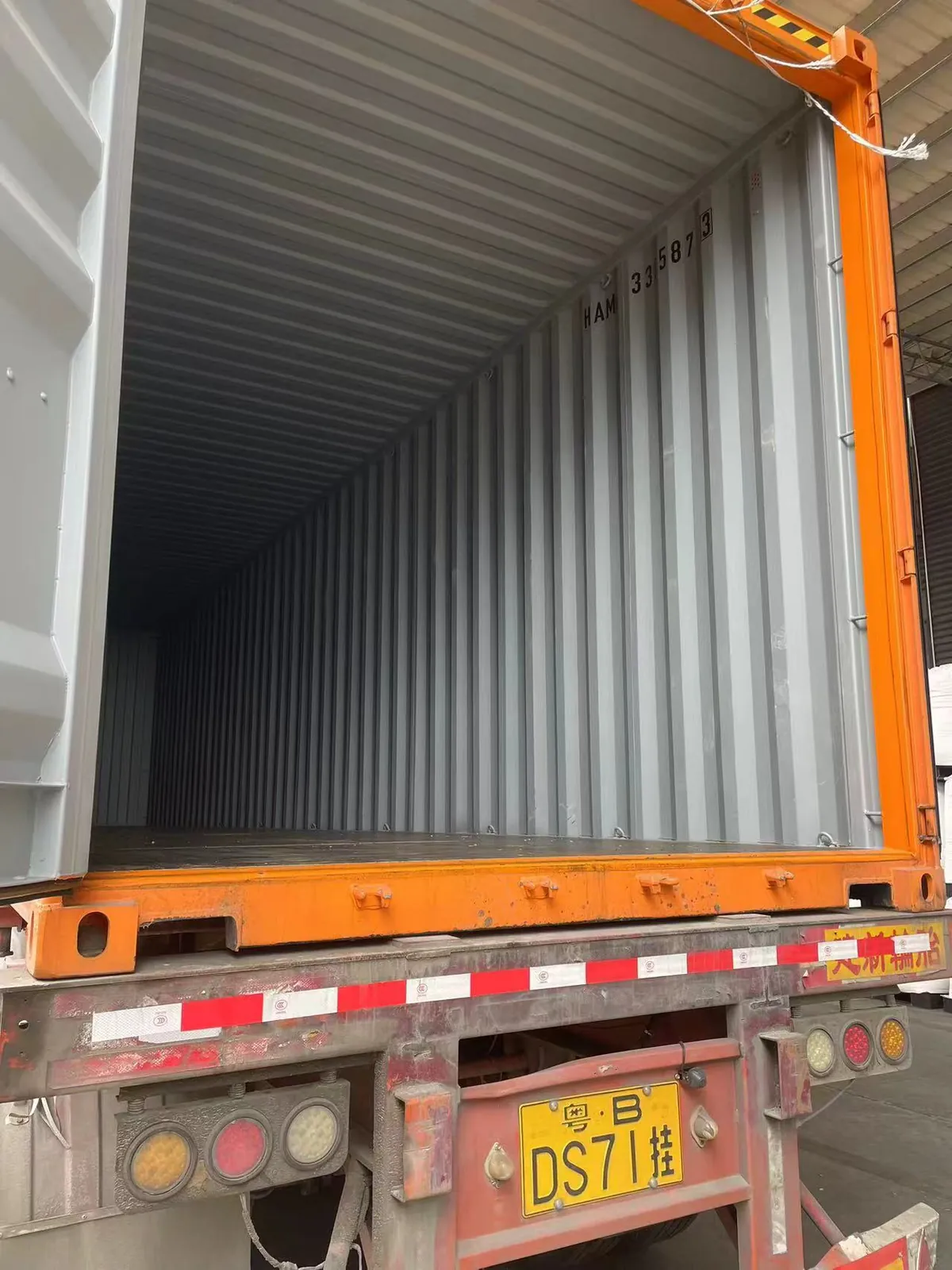
Two buyers open the same cartons on the same afternoon. One gets a report that later settles a claim; the other gets a page of photographs that proves nothing. The difference is rarely the factory and never the inspector's eyesight. It is the form somebody filled in weeks earlier, listing what would be looked at. Pre-shipment inspection is a scope exercise long before it is a quality exercise.
The booking form is the specification
Inspection bodies do not arrive with a universal checklist. They arrive with an order: a product category, a quantity band, a list of checkpoints, and a day rate. The checkpoints were chosen by whoever filled in that form, and in most export deals that is the trading company rather than the buyer's own quality team. An inspector who notices something outside the list has little room to act on it. He can note it as an observation, mention it at the closing meeting, or leave it out. None of those turns it into a failure.
So two reports on the same lot can disagree without either being dishonest. The visit was identical, the scope was not. Before you argue about a verdict, ask for the booking form, because the coverage of the report is written there and nowhere else. A short read of the buying guide shows which checkpoints usually belong on that form and which are quietly left off.
A sample needs a closed lot
A sample only describes a population that has stopped changing. If the first shift's cartons are already palletised while the third shift is still running, the sample is drawn across two production states at once, and the defect rate it produces belongs to neither of them. This is the most common reason a report looks clean and the container does not.
The sequence matters more than the calendar date. Close the lot, pack it, call the inspector, then load. In that order a failed visit still leaves the option of sorting or replacing on site. Swap the last two steps and the only remedy left is a debit note negotiated from another continent. Book the sanitary pad inspection before shipment only after the final carton of the run is closed and strapped.
What a sanitary pad inspection before shipment can prove
A site visit can confirm what is visible and countable: cartons per pallet, packing arrangement, bag seals, print registration, batch coding, and whether the shipping marks match the commercial invoice. Those are worth paying for. They are also the failures a factory can fix in an afternoon, which is precisely why they tend to be fixed before anyone arrives.
It cannot confirm how the pad behaves after weeks inside a hot container, whether the adhesive still holds, or whether the core is consistent across the whole run. Those questions need conditioned testing on retained samples. That is a laboratory exercise, not a walk through a packing hall, and confusing the two is how buyers end up with a document that answers a question nobody asked.
Defect classes decide the verdict
Attribute sampling, the method behind the ISO 2859-1 tables, produces a count of defects found in a sample and compares it with an acceptance threshold. The tables never say what a defect is. That definition comes from the buyer, and when the buyer leaves it blank the inspector fills it in from the category he inspected most often that month.
A pad is not a T-shirt. Seal integrity and any trace of contamination belong at the top of the list, count per carton and dimensional shortfall next, print offset and folding neatness at the bottom. Import an apparel classification and the visit spends its hours on print alignment while the seal goes unexamined. If you want the boundary on paper before you commit, the FAQ page lists what we will and will not sign off on.
Who pays changes what the report is worth
When the factory books and pays, the document is a statement by one party about itself, and a buyer's claims team will read it that way. That is not suspicion, it is how evidence is weighed. The authority of a report comes from the independence of the party who commissioned it, which is also why a seller cannot reuse a buyer's report as promotional material.
The phrase third party inspection sanitary pads is applied to both arrangements, and the two are not equivalent. In one the buyer holds the order, in the other the seller does. Same checklist, different weight in a dispute. Decide which one you need before negotiating who pays, because that conversation gets much harder once the container is booked. If the counterparty is still open, the questions in our supplier notes matter more than the inspection clause.
What the booking line says, the report repeats
The middle column below is the report's actual vocabulary. Anything you need that does not appear in it has to be added before the visitor travels, not argued about in the closing meeting.
| Booking line | What the report can state | What stays unexamined |
|---|---|---|
| Carton count and marks | Units per carton, mark match against invoice | Whether that count equals what was produced |
| Packing and bag seals | Seal appearance and bag integrity on the sample | Seal strength after weeks of transit |
| Print and batch code | Registration, code legibility, lot consistency | Whether the code maps to a closed lot |
| Dimensional check | Length and width on the measured units | Core consistency across the run |
| Absorbency | Not measurable on site | Everything about in-use behaviour |
The seal is part of the evidence chain
Once a container passes and is sealed, the seal number enters the record and the report now describes a closed shipment. Reopen it to add cartons and the record quietly stops describing what is on the water. At destination a shortfall becomes unattributable, and unattributable losses are absorbed by the party with the least leverage.
One contract line prevents most of this: no re-opening after inspection without written approval, and any re-opening requires a new seal number filed against the same record. It costs nothing to write, and it separates a report that holds from a report that merely exists. An inspection that finishes on the morning of loading has already spent that protection.
The sample shipment is a separate transaction
Samples do not travel like cargo. They move on a courier account under a declaration of their own, and the figure quoted for the sanitary pad sample shipping cost often covers the flight and nothing else. Duty, clearance handling and the return leg can land on whoever receives the parcel, which is a surprise worth removing before you approve anything.
There is a second reason to keep samples in their own file. Sample cartons should carry the same marks, the same bag format and the same batch coding as production, because the object you approve is the object that gets copied. When they differ, the photographs signed off in one season describe something that will not appear in the next, and no inspection bridges that gap. Bag formats and print runs sit on the minimum order quantity line, so agree them together.
Put the arrangement in the contract, not an email
Email threads do not survive staff changes, and inspection arrangements are exactly the kind of detail that lives in one person's inbox. Put them into the sanitary pad OEM contract terms as six short lines, each one cheap now and expensive later.
- Who books the visit and who pays, named by role rather than by person.
- The defect classes, written out, with the pad-specific items stated explicitly.
- The lot-closure rule: no visit until production is complete and packed.
- The seal rule, and the record that must follow any re-opening.
- The remedy if the visit fails, agreed before anyone stands in a packing hall.
- Who pays for a second visit, and which specific finding triggers it.
None of those lines asks a factory to accept anything unusual. They only remove the ambiguity that makes a failed visit expensive. If the OEM route is new to you, the process behind private label production explains where these clauses sit relative to sampling, artwork and tooling.
Frequently Asked Questions
When should a sanitary pad inspection before shipment be booked?
After the lot is complete and packed, and before the container is loaded. Booking earlier means the sample is drawn from a population that is still changing, so the defect count describes nothing. Booking later leaves no time to sort or replace, and a fail becomes a price discussion instead of a decision.
What does a pre-shipment inspection report not cover?
It does not cover performance after transit, shelf behaviour, or seal strength under load, because those need conditioned testing on retained samples. It also says nothing outside the scope written on the booking form, even when the inspector saw the problem with his own eyes.
Can the factory book the inspection instead?
It can, and sometimes that is the practical choice when a buyer has no presence in the country. Understand what you are receiving: a document issued to the party who paid for it. Buyers who intend to rely on the report in a claim usually hold the booking themselves.
How do we define defects for a pad order?
Write the list yourself, in the order that matters to your market. Seal integrity and contamination first, count and dimensions second, print and folding last. Do not import a classification from apparel, because the failure modes differ and the visit will measure the wrong things carefully.
Who pays for a second visit if the first one fails?
That belongs in the contract before the first visit. The usual arrangement is that the party whose process caused the failure absorbs the cost, but the workable version is simpler: agree in writing who books and pays for the second visit, and which finding triggers it.


