
Lancool Light Breathable Period Pants Review: From User Test to OEM Line
2026-09-05
I used to keep an old towel folded on the bed during my period. Not because I wanted to. Because at least twice a year I would wake up to the familiar cold patch on the sheet, and the mental math began: change the sheet now, or flip the mattress pad and deal with it in the morning.
Overnight pads helped, but only up to a point. They shifted. They bunched. And by night three I was usually sleeping in a way that protected the bed, not my back.
That was the state of things before I tried the Lancool light and breathable period pant. The packaging calls it "light and breathable" — two words I had learned not to trust on period products, because "light" usually meant thin-to-the-point-of-useless and "breathable" meant a marketing stamp. But this one turned out to be different.
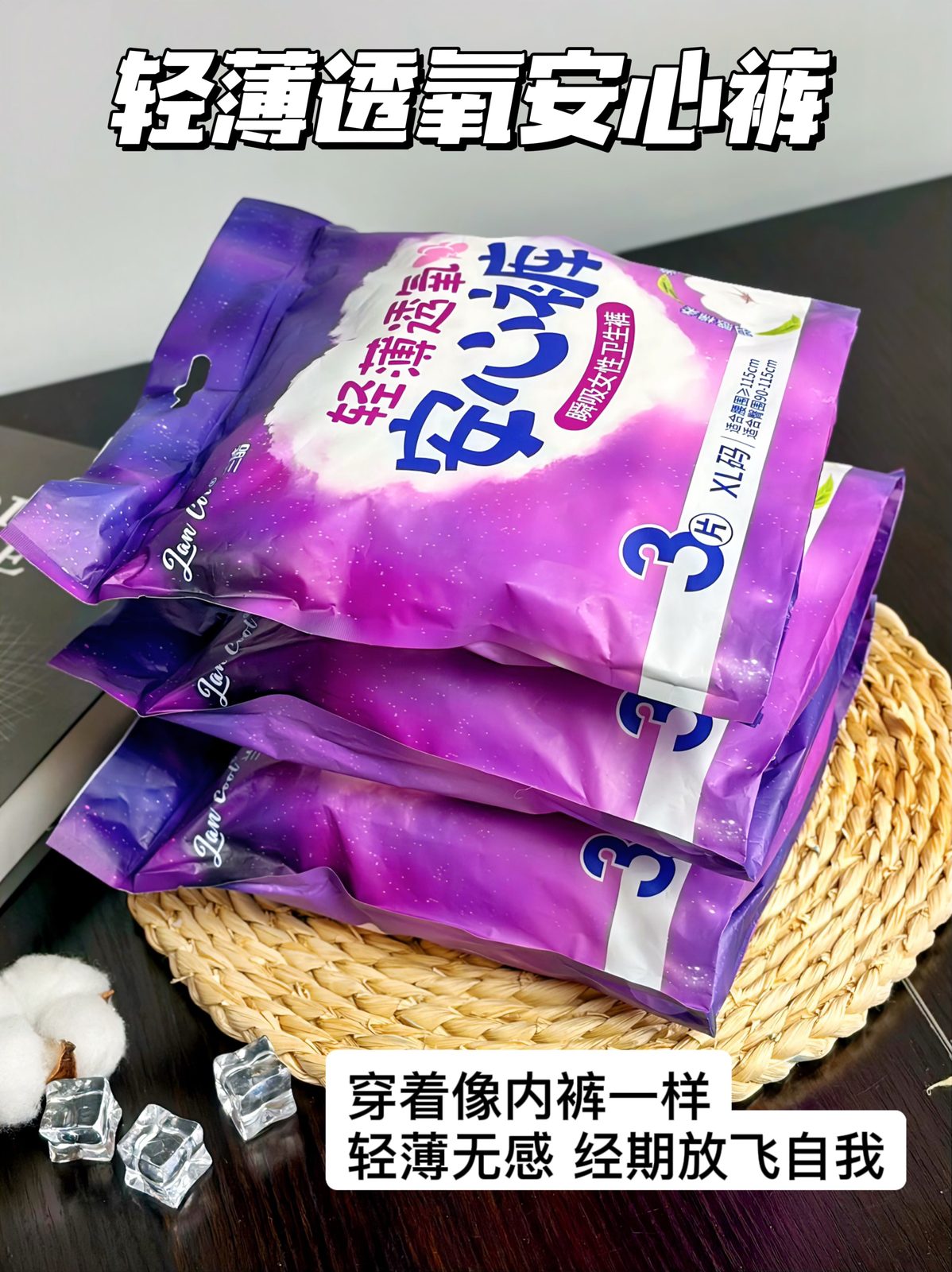
What "light and breathable" actually means on the inside
The words matter because they describe two separate engineering choices.
Light refers to the core profile. Instead of spreading absorbent material across the whole garment, the core is concentrated where the body needs it. The rest of the pant keeps a normal shape, which is why it does not look or feel like a medical undergarment under sleepwear.
Breathable refers to the backsheet. A solid plastic film blocks fluid but also traps heat and moisture. The Lancool pant uses a micro-porous backsheet — a material with tiny pores that let water vapour escape while still blocking liquid. It is the same idea used in many modern hygiene products, applied here to overnight pants.
Neither word means the pant will keep you cold. It will not. What it does is reduce the sealed-bag feeling that thick overnight products tend to create after six hours.
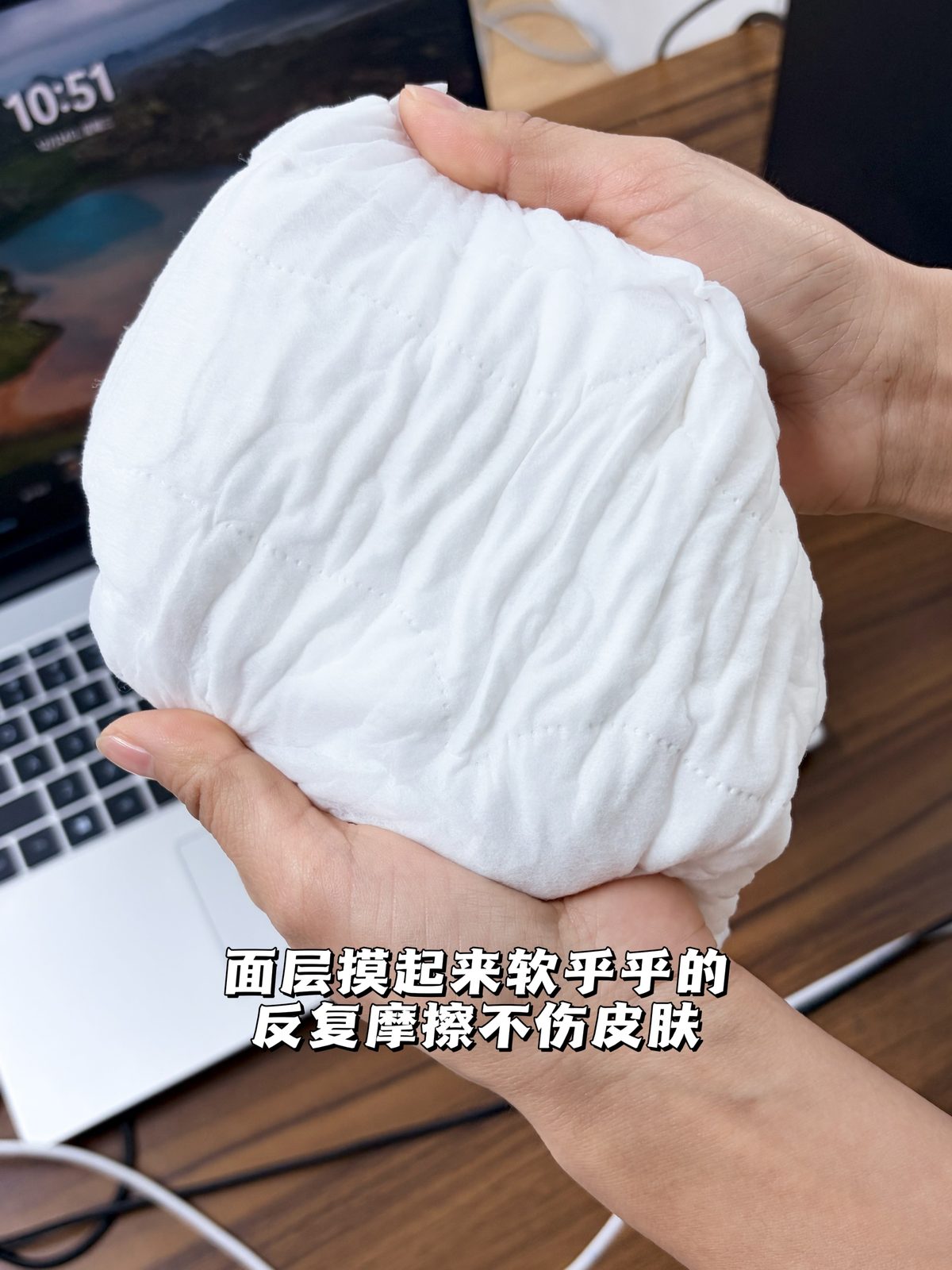
The questions I asked before I trusted it
I am not the kind of reviewer who opens a package and calls something life-changing. These were the five things I actually needed to know.
Does it absorb fast enough?
The first test was on the heaviest night. If the core could not handle the first two hours, nothing else mattered.
Lancool uses a fluff pulp + SAP core. SAP is the part that turns fluid into gel and locks it away from the surface. What I noticed was that the surface did not stay wet. The absorbent layer pulled fluid down quickly, so the layer against my skin felt dry within a minute or two. That is the difference between capacity on paper and usable capacity in real use: a product can hold a lot and still feel damp.
Will it leak if I sleep on my side?
This was the real fear. Side-sleeping puts pressure on the leg openings and raises the back leak risk.
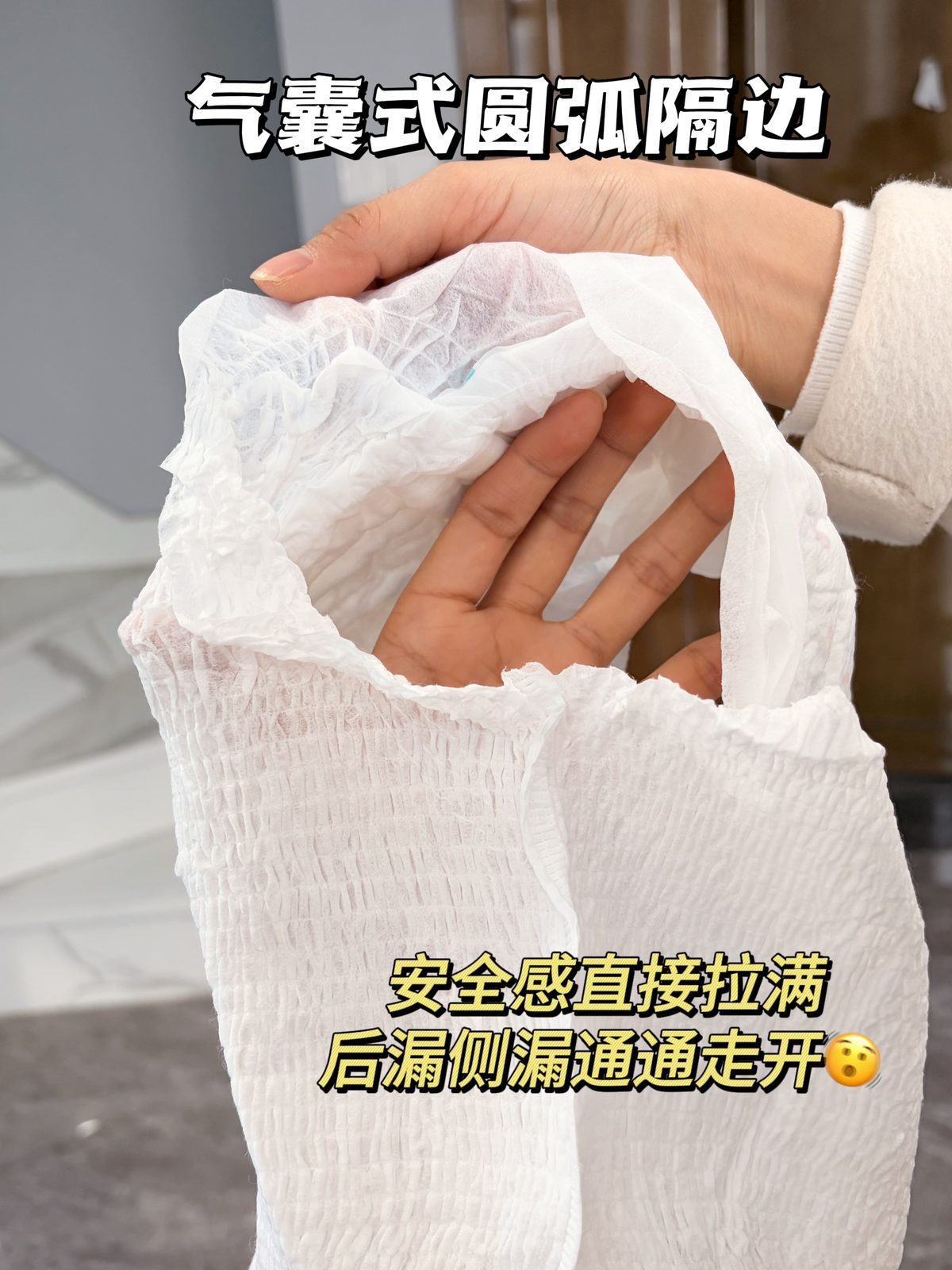
The Lancool pant uses arc-shaped leak guards — soft cuffs along the leg openings that curve inward rather than sitting flat. They act like a gentle dam. Combined with the extended back coverage and a higher waist at the rear, the design is built around the fact that people roll. I tested it on a night when I deliberately moved from side to stomach to back. In the morning, the pad was full, but the edges and the sheet were clean.
It is not a guarantee for every body and every flow. But it reduced my leak risk to the point where I stopped doing the towel thing. That is the practical standard I care about.
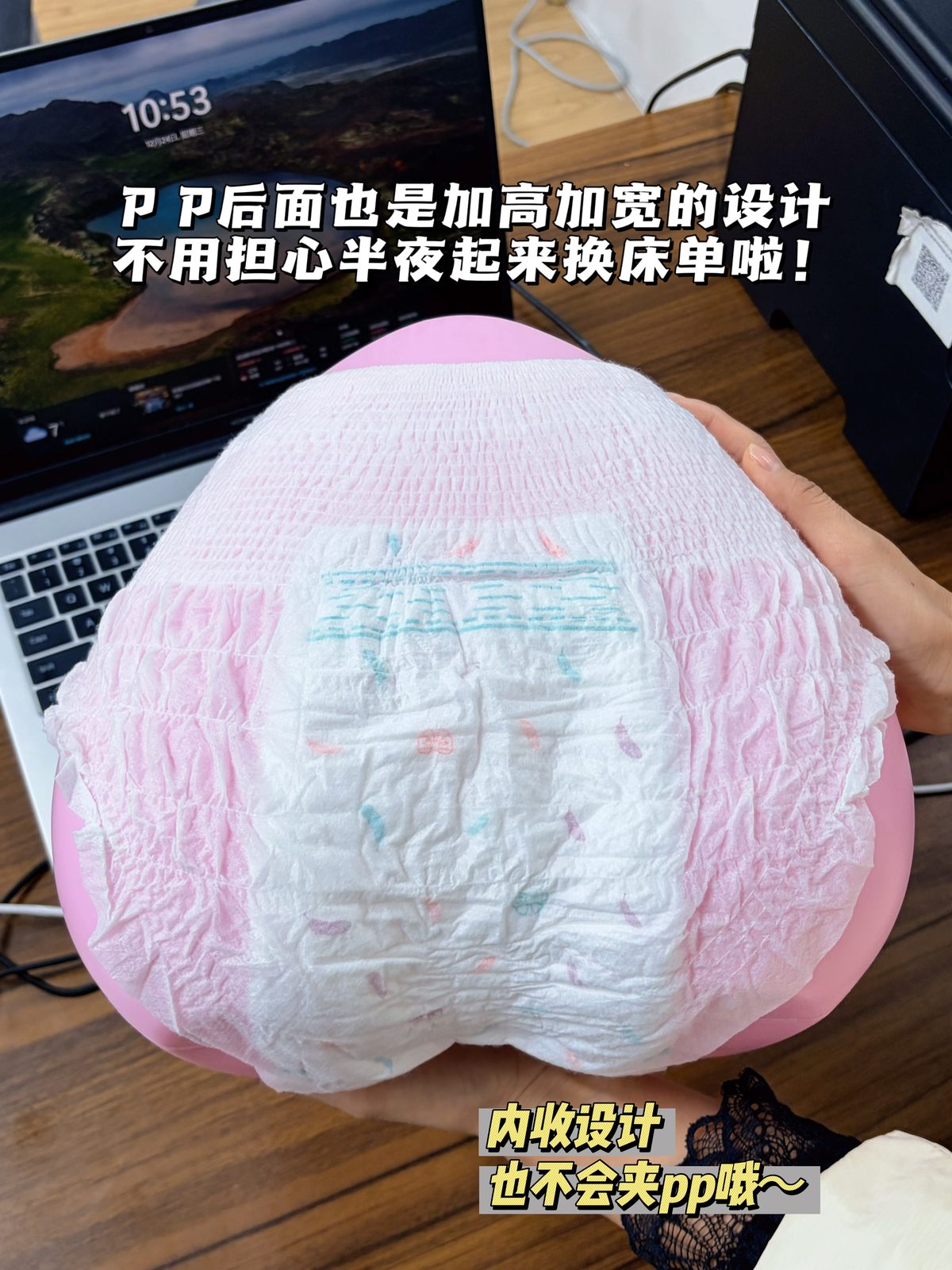
Is it breathable, or will I wake up sweaty?
The "oxygen" part of the name is marketing language. What is real is the micro-porous backsheet. Instead of sealing everything inside with a solid plastic film, the material has tiny pores that let water vapour escape while still blocking fluid.
The result is that the pant does not feel like a sealed bag after six hours. I noticed it most on warm nights — there was less of the clammy, trapped feeling I associated with thick overnight products. The surface stayed dry, and the backsheet let heat move out. It is still a period product, not a summer dress, but the difference was clear.
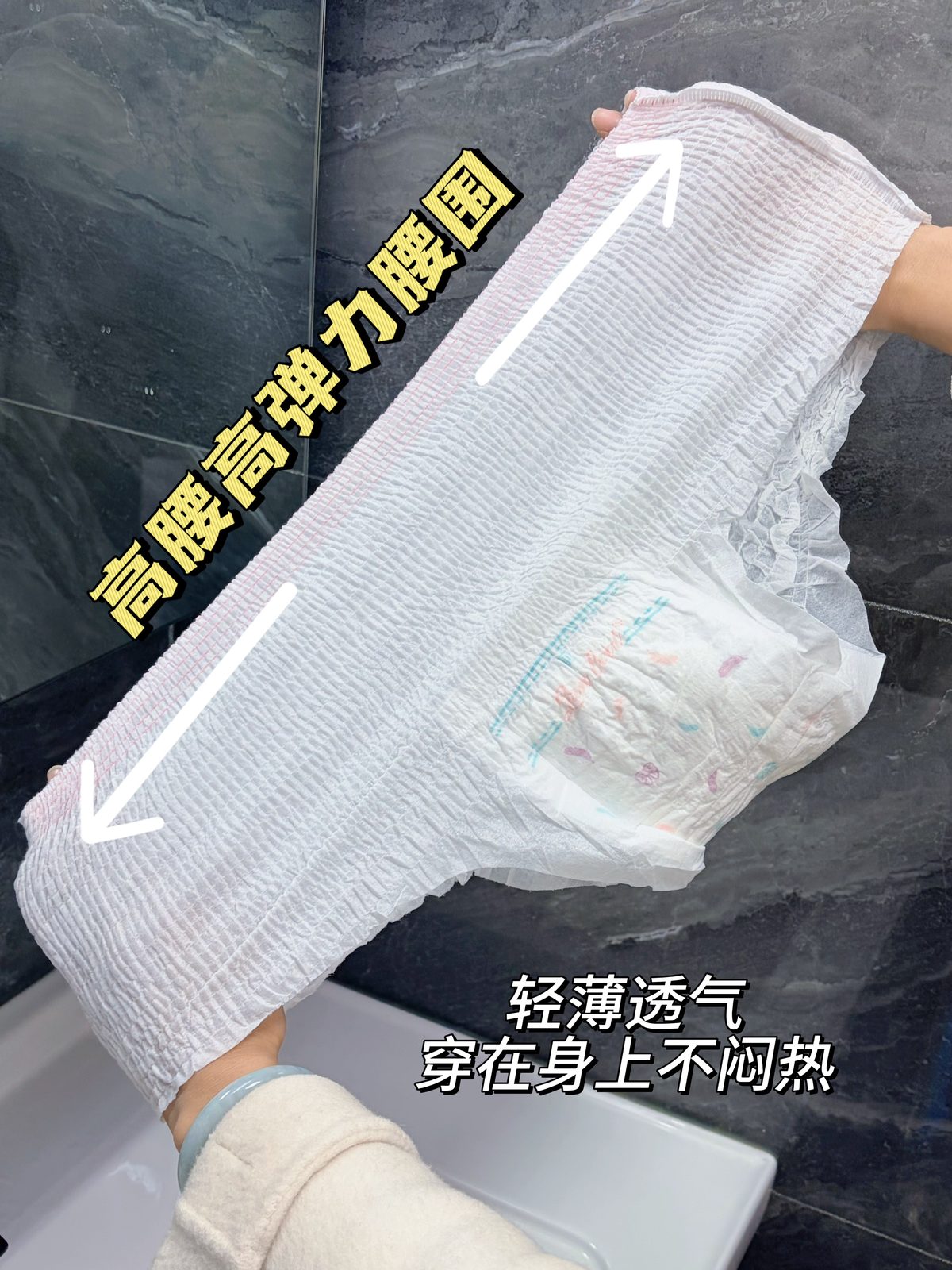
Does the waistband dig in?
This was the surprise. I had assumed all period pants used the same kind of elastic waistband as the cheap disposable underwear you find in hotels. The Lancool waist is wide, soft, and made with fine spandex filaments rather than thick rubber bands. It stays up without leaving red marks, and it does not roll down when you bend.
The first thing I noticed after the second night was that I stopped thinking about the waistband. That is usually a good sign.
Is it bulky?
No. That is the honest answer. It is not as thin as a string-bikini liner, but it is noticeably slimmer than the thick overnight pants I used before. The core is concentrated where it is needed rather than spread across the whole garment, so the pant keeps a normal shape under sleepwear. You can wear it with a fitted nightdress without feeling like you are wearing a diaper.
The morning-after test
After four nights — including two heavy-flow nights — the evidence was consistent:
- The sheet stayed clean.
- The surface of the pant was dry enough that I did not feel the urge to change immediately upon waking.
- There were no waistband marks.
- The pant did not sag or slip out of place.
The biggest change was not technical. It was that I stopped planning my sleep around my period.
Who this is for
If you recognize any of these, the Lancool light and breathable pant is worth trying:
- You are a restless sleeper. Rolling from side to back is exactly the motion this cut is built around.
- You run hot at night. The breathable backsheet matters more if you already wake up warm.
- You have a heavy flow. Fast absorption + high-capacity core makes the first two hours less stressful.
- You want something that does not look medical. The slim profile means it works under normal sleepwear.
- You are postpartum. The higher waist and full rear coverage match the needs of the first few weeks after birth.
From review to sourcing: what the same design looks like as an OEM line
This review started as a user test, but the same construction decisions are relevant if you are sourcing period pants under your own brand. A sanitary pants manufacturer has to balance three things that are easy to list and hard to get right at the same time: absorbency, breathability, and a profile that does not look like a medical device.
If you are an OEM or private-label buyer, here is where the design decisions show up in your spec sheet:
- Core thickness vs. absorption target. A thinner core is nicer to wear, but it needs higher SAP concentration to hold the same load. Ask for the gsm and SAP ratio, then test it rather than trusting the drawing.
- Waistband tension. The Lancool waist is soft because it uses fine-gauge spandex and a wider band. Cheap versions use thicker elastic that digs in and rolls. This is an adjustable spec on most production lines.
- Leak guard shape. The arc-shaped cuff is a small detail that matters for side-sleepers. Flat cuffs cost less but leak more on the first night.
- Backsheet breathability. Micro-porous film adds cost. If your market is warm-climate or postpartum, it is worth specifying.
- Packaging language. "Light and breathable" is a consumer promise. Make sure the factory's claims line up with what the material spec actually supports.
For buyers looking at wholesale quantities, the same pant line is available through menstrual pants wholesale channels, with MOQ and size-range details handled at the factory level.
How this fits into a menstrual pants manufacturer search
If you are comparing menstrual pants manufacturers, a useful shortcut is to request a sample of the light-and-breathable line and test it yourself. The sample tells you three things quickly:
- Does the factory understand fit? A poorly cut leg cuff or waistband is obvious within an hour of wear.
- Does the factory control its materials? SAP quality varies widely. A sample that holds fluid and stays dry at the surface is a good sign.
- Does the factory document its claims? Breathability, absorption, and waistband tension should all be tied to a test method or material spec, not just a sales phrase.
Lancool is produced by a China-based feminine hygiene manufacturer that also runs OEM sanitary pants and custom sanitary pads programs. If you want a private-label version, the spec sheet is adjustable: core thickness, waistband tension, packaging language, absorbency level, and size range. For a broader private-label program across pads and pants, see the private label sanitary products page.
You can also learn more about the production side at the factory capability page, which covers equipment, capacity, and the QC checkpoints that sit behind a finished pant.
Final take
The Lancool light and breathable period pant did not turn my period into something I look forward to. What it did was remove one of the worst parts: the 3 A.M. decision about whether the sheet needs changing.
For consumers, that means fewer towels, fewer ruined sheets, and less mental arithmetic at night. For distributors and OEM buyers, it means a product line with clear, explainable specs that map onto real user complaints: bulk, heat, waistband marks, and side-sleep leaks.
If you want to compare this style with pads before deciding, our guide on period pants vs sanitary pads walks through when each format makes sense.
Turn this guide into an OEM brief
Share your product direction, target market, packaging idea and sample questions. Nafei can help translate the buying guide into a practical RFQ discussion.
- Product type: period pants, sanitary pads or mixed OEM project
- Target country, channel and buyer positioning
- Size range, material preference and sample review focus
- Private label artwork, pack count and estimated quantity