Anion Sanitary Pads: What the Green Strip Is, and What It Isn't
2026-09-02
If you have walked down a feminine hygiene aisle in Southeast Asia or the Middle East, you have seen it: a pad with a thin green strip running down the center.
Importers ask us about it almost every week. Some want it. Some want to know if they should want it. Almost nobody asks what it actually is. So let's start there, because the answer decides whether it belongs in your product line.
What the strip actually is
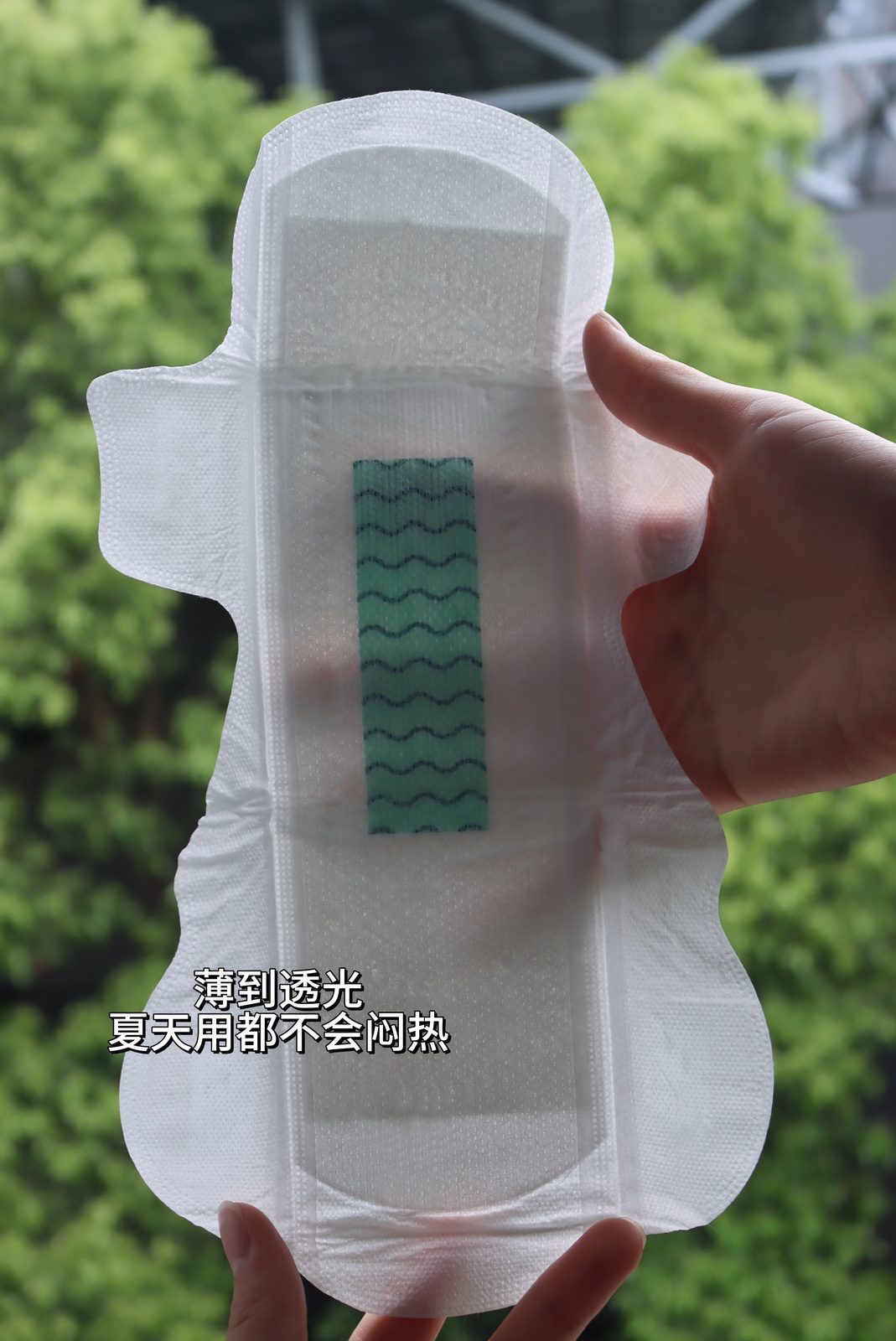
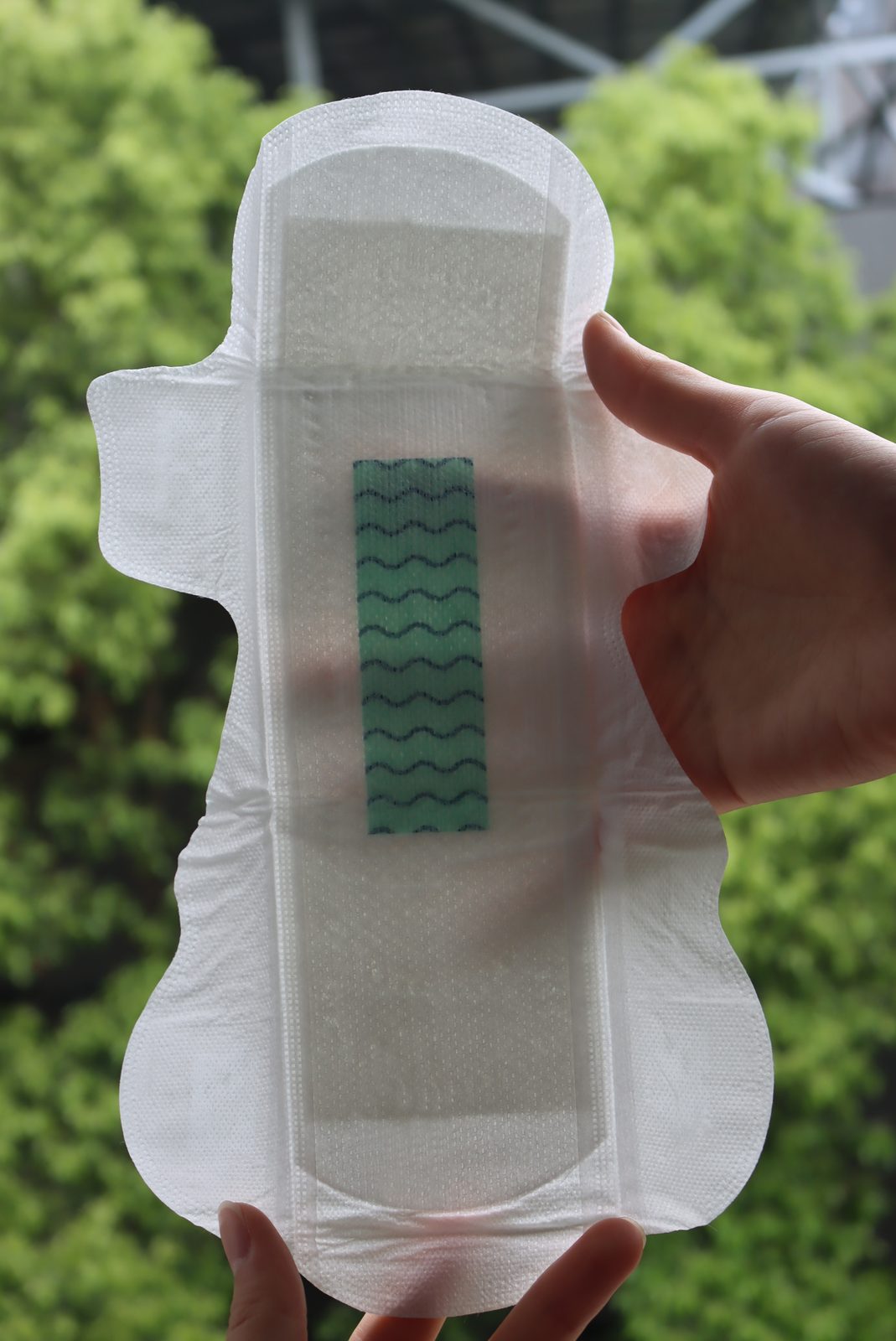
An anion chip is a small chip strip placed in the center layer of a sanitary pad. In most products it is visible through the top sheet as a colored line — usually green — which is exactly the point. It is a visual feature. A customer can see it on the shelf and immediately tell this pad apart from the forty other pads next to it.
Physically, it adds almost nothing to the thickness. The strip is thin and sits inside the core structure, not on the surface the skin touches.
That is the honest, physical description. What the chip *does* is a different question, and this is where I want to be careful.
The claims question, answered straight
Many brands in some markets attach wellness claims to anion chips. Those claims are their claims, not ours, and they are treated very differently from one market to the next. In some countries you will see them on packaging. In others, the same wording would not clear review.
At Nafei, we do not make health claims about the chip. We make it available as an OEM option, and we let the buyer decide how — or whether — to talk about it, within their own market's rules.
Why do we still offer it? Because the commercial value does not depend on the claims.
Why the strip sells anyway
Strip a product down to what a shopper does in the aisle. She spends seconds, not minutes, comparing pads that all look like white ovals in pink wrappers. Almost nothing on the shelf gives her a reason to pick one up.
The green strip does three jobs in those seconds:
- It is visible through the wrapper or on the unfolded pad. A design feature you can see beats a feature you have to read about.
- It signals "this one is different." Whether the shopper associates that with freshness, technology, or premium tier varies by market — but the differentiation happens before any copy is read.
- It photographs well. In the markets where our anion-chip SKUs move best, a huge share of the buying journey happens on marketplaces and social feeds. The strip reads on a phone screen at thumbnail size. An invisible feature reads nowhere.
That is why, when a distributor in Jakarta or Kuala Lumpur asks for "the one with the green line," they are describing a product by sight. That is not something most sanitary pad formats can do.
The OEM decision, in practical terms
If you are building a private label line, the anion chip is one of the cheaper differentiators you can add — but there are real decisions behind it.
Chip or no chip. We produce both. Some brands use the chip on a premium SKU and keep the standard line clean. That is a common structure: the strip becomes the visual anchor of the tier difference.
Placement and color. The chip position and appearance can be adjusted to your package design. Center line is the default because it reads best through the wrapper.
Claim strategy is yours — and your market's. This is the part to get right. If your target market allows certain wellness statements, that is between you and your regulator. What we control is the physical product, and what you control is the story. We recommend the story stay within what you can defend.
Packaging language. For OEM orders, the box copy, language, and piece count are all customizable. The chip works best when the packaging points at it — a window, a diagram, a color echo — instead of relying on the shopper to notice on her own.
Where the demand actually is
Our anion-chip SKUs sell hardest in Southeast Asia and the Middle East, where the format has years of shelf history and shoppers recognize it on sight. In North America and most of Europe, it is closer to a novelty — useful for a "visible technology" story on marketplaces, but not a category shoppers ask for by name.
That maps to a simple rule for importers: match the SKU to the market's shelf memory. In Manila, the green strip is a familiar signal. In Manchester, you would be teaching the customer what it is, and your budget for teaching is probably smaller than you think.
The bottom line for buyers
The anion chip will not carry a product line by itself. The core still has to absorb, the top sheet still has to stay dry, the backsheet still has to breathe, and the price still has to fit the shelf. We cover those fundamentals in our OEM sanitary pads overview, and you can see the full range of formats and customization options on our sanitary pads manufacturer page.
What the chip does is give an otherwise invisible product something visible to compete with. In the right market, that alone justifies the SKU. In the wrong one, it is a green line on a white pad.
Knowing which market is which is most of the decision.
Author bio *Li Genyuan is the founder of Guangdong Nafei Biotechnology, a feminine hygiene OEM/ODM manufacturer in China. He writes about product formats, shelf strategy, and what importers should know before placing an order.*
Turn this guide into an OEM brief
Share your product direction, target market, packaging idea and sample questions. Nafei can help translate the buying guide into a practical RFQ discussion.
- Product type: period pants, sanitary pads or mixed OEM project
- Target country, channel and buyer positioning
- Size range, material preference and sample review focus
- Private label artwork, pack count and estimated quantity