
Period Pants Manufacturer Selection: What the Catalog Doesn't Tell You
2026-08-05
A period pants catalog is a lineup of happy models and confident claims. It tells you almost nothing about whether the factory can hold a side-leak line across 200,000 units. Selecting a period pants manufacturer is less about the photos and more about the unglamorous mechanics of a three-layer composite that has to survive a sideways night.
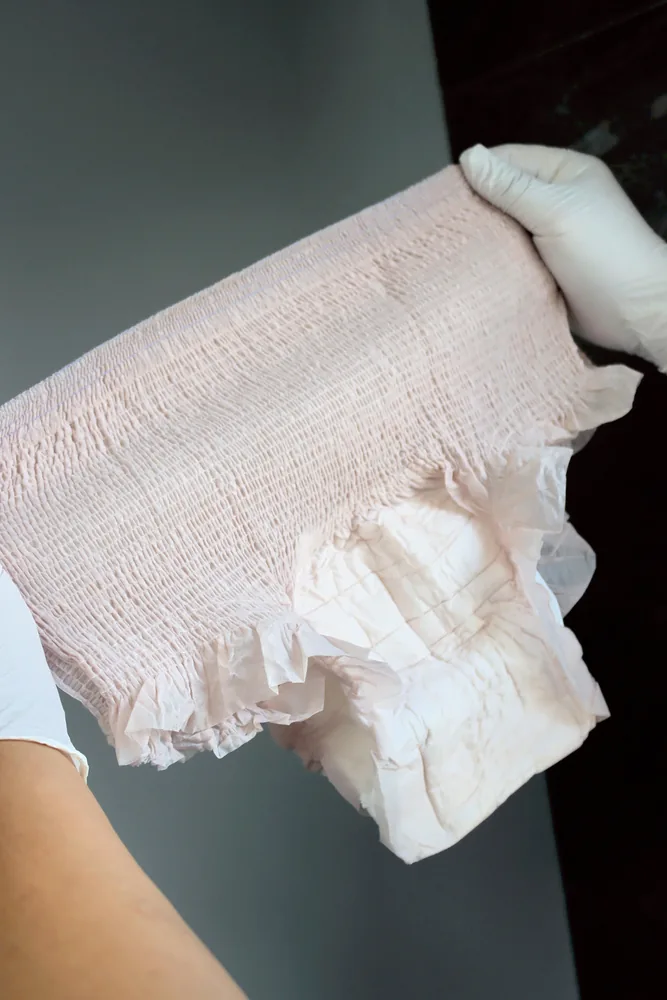
The hard part is the composite, not the shape
Disposable period underwear is three things glued into one: a non-woven body, an absorbent core, and a leak-proof backsheet. Any line can cut the body shape. Few hold the core-to-backsheet bond at the leg opening, which is exactly where nighttime leaks happen. When we qualify a new core supplier, the test isn't "does it absorb" — it's "does the bond hold after the wearer rolls onto it for eight hours."
This is why a catalog spec listing "high absorbency" is close to useless. Absorbency is the easy half. The bond is the half that ruins reviews.
What the catalog won't show you
- Core-cut notches at the crotch that let the pad flex instead of bunching. You can't see these in a flat photo.
- Waistband recovery after 50 washes of wear-sim. Cheap elastic goes slack; the catalog shows it on day one.
- Leg opening tension — too tight chafes, too loose leaks. The number lives in the line settings, not the lookbook.
We had a buyer reject a sample because it "looked thin." On the pinch test — pinch the crotch and watch which way the crease goes — it actually scored better than the thicker competitor, because the core was cut to move. The catalog said nothing; the sample did.
The sample test that replaces a catalog
Before trusting any manufacturer's claims, run the three checks we give every OEM client (full routine in our buyer's guide):
- The pinch test — crease should run upward, locking the core, not downward toward the leg.
- The wear test — six hours, including a deliberate side lie.
- The heat test — folded in a warm place, then checked for backsheet bleed.
A manufacturer who encourages these tests is showing they've already run them on their own line. One who wants you to "trust the specification" is hoping you won't look.
If you're comparing shops, start by requesting the same SKU from two candidates and run them side by side — our sample team will ship the production-grade version, not a demo unit polished for the photo.
What makes period pants harder to make than pads?
The three-layer composite has to flex with the body while staying sealed at the leg. A pad just sits in underwear; pants are the underwear. The bond integrity is the whole game, and it's invisible in a catalog.
How many units should I sample before choosing?
At least 30 from each candidate, run through wear and heat tests, not just eyeballed. Defects that matter show up in the 20th unit, not the first.
Does a thicker pant mean better protection?
Usually the opposite. Thickness often means an un-cut core that bunches. A well-notched thinner core moves with the body and seals better. Judge the pinch test, not the thickness.
Can a pad factory easily make period pants?
They share materials, but the composite bonding and waistband recovery are different disciplines. A pad-only shop can learn, but ask to see their pants-specific rejection data before assuming the skill transfers.
Turn this guide into an OEM brief
Share your product direction, target market, packaging idea and sample questions. Nafei can help translate the buying guide into a practical RFQ discussion.
- Product type: period pants, sanitary pads or mixed OEM project
- Target country, channel and buyer positioning
- Size range, material preference and sample review focus
- Private label artwork, pack count and estimated quantity