
Heat-Climate Spec for Pads in the Gulf: Storage Stability and the Topsheet That Matters
2026-08-12
The Gulf is where a lot of catalog specs quietly fail. A pad that tests fine in a climate-controlled lab can arrive in Riyadh or Dubai in July and show up as odor, soft adhesive, or a topsheet that feels wrong against the skin. If you're sourcing for the Middle East, the climate isn't a footnote — it's part of the spec.
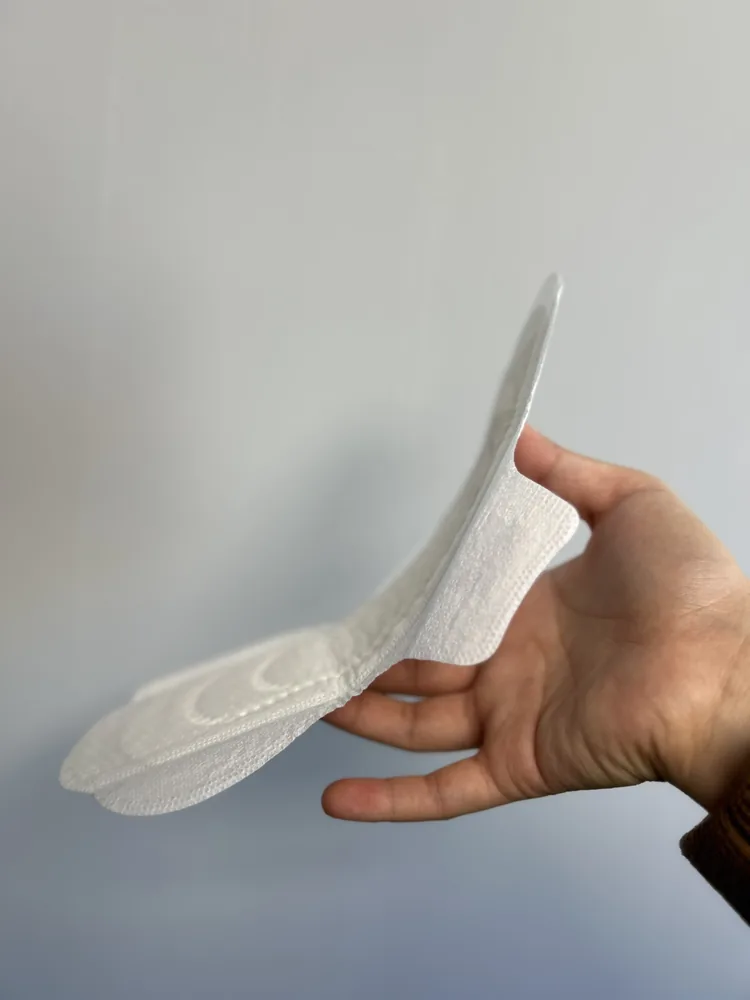
Storage stability is the first test
High ambient temperature accelerates everything you don't want: odor from the core, breakdown at the adhesive, and packaging that doesn't hold. The relevant number isn't absorbency on a datasheet; it's how the product behaves after weeks in a hot warehouse and a hotter delivery van. Ask the factory for accelerated storage-stability data at Gulf summer temperatures, not just room-temperature test results.
The topsheet that doesn't trap heat
The single biggest comfort driver in heat is the topsheet. A breathable topsheet that moves vapor instead of holding it against the skin is the difference between "fine" and "why does this feel worse by midday." This is the same spec logic we apply across hot markets — our breathable material guide shows what actually moves vapor versus what just claims to. In the Gulf, it's not a premium add-on; it's the floor.
Adhesive and packaging take the hit
Wing adhesive softens in heat, so a pad that stayed put in a temperate market can shift in a Gulf summer. The fix is a heat-rated adhesive and a wrapper that doesn't weld itself shut. These are boring details until a shipment lands and the buyer complains — then they're the whole conversation. Our vetting guide covers asking for the evidence before you pay.
In the Gulf, the buyer who wins isn't the one with the cheapest unit. It's the one whose product survives the warehouse.
Where to start
Set the spec for storage stability and a breathable topsheet first, then open the project at the OEM overview. Read the Middle East sourcing hub for the certification and logistics side, and use the RFQ questions guide to put the heat-spec requirement in writing before sampling.
Does heat really change pad performance?
Yes. High ambient temperature accelerates odor from the core, softens wing adhesive, and can stress packaging. The product that passes a room-temperature test can fail after weeks in a Gulf warehouse. Ask for accelerated storage-stability data at local summer temperatures, not just standard lab results.
What topsheet works best in hot climates?
A breathable topsheet that moves vapor away from the skin, rather than a closed film that traps heat. It's the biggest comfort driver in heat and, in markets like the Gulf, is the baseline spec rather than a premium feature.
Should I worry about adhesive in the Gulf?
You should. Wing adhesive rated for temperate climates can soften and shift in Gulf summer heat, causing fit complaints. Specify a heat-rated adhesive and heat-stable wrapping, and confirm it with the factory's stability data before the first order.
Other sourcing hubs
Turn this guide into an OEM brief
Share your product direction, target market, packaging idea and sample questions. Nafei can help translate the buying guide into a practical RFQ discussion.
- Product type: period pants, sanitary pads or mixed OEM project
- Target country, channel and buyer positioning
- Size range, material preference and sample review focus
- Private label artwork, pack count and estimated quantity