
Bulk Sanitary Pads: Container Cube, Lead Time, and the Reorder Trap
2026-08-05
Buying sanitary pads in bulk sounds simple: more boxes, lower price. Then the container math eats your margin and the reorder lands three weeks late during your peak season. I've watched smart buyers lose more on logistics than they saved on unit cost. Bulk is a discipline, not a volume discount.
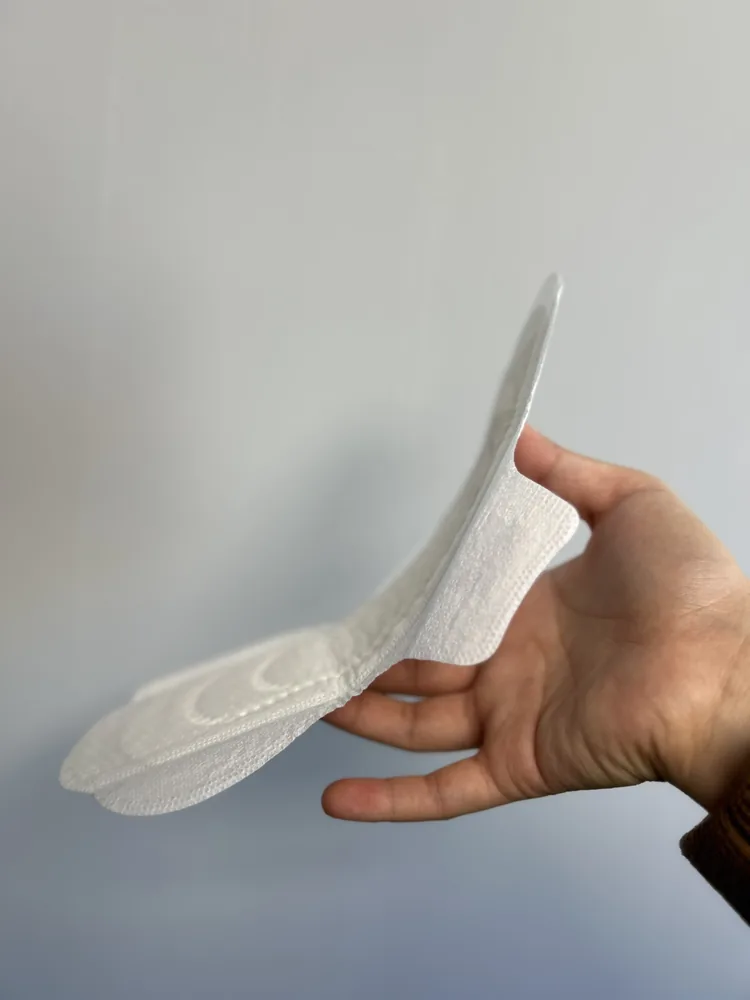
The cube is the real unit price
A pad is light and enormous. You don't run out of weight in a container — you run out of space. So the number that decides your landed cost is pieces per cubic meter, not pieces per dollar. Two suppliers at the same ex-works price can differ 25% on cube if one packs tighter or folds smarter. Always ask for the cube, not just the price.
This is exactly why wholesale pricing hides its real cost — the box is part of the product.
Lead time is a function of your spec, not their calendar
A standard pad in standard packaging might turn in 15 days. The moment you add a custom topsheet, a private-label print, or a weird pack count, you've added tooling and a confirmation loop. Bulk buyers who treat lead time as fixed get surprised. We quote lead time against your spec, not a catalog default, because that's the only number that means anything.
The cheapest pad is the one that arrives before your shelf goes empty. Stockouts cost more than any unit-price gap.
The reorder trap
Here's the one that ends brands. You order a fat bulk run, sell through slower than planned, then skip the reorder to "let inventory breathe." By the time you re-order, the line has moved on, your slot is gone, and you're back of queue behind the guy who reorders on schedule. Bulk only pays if the reorder rhythm is baked in from order one.
We covered the cadence side in how to set a reorder baseline — same logic, different product.
What to lock before you commit to bulk
- Confirmed cube and pieces-per-container, in writing.
- Lead time tied to your exact spec, not a generic "2–3 weeks."
- A reorder window you'll actually hit (set a calendar alert, not a vibe).
- FOB vs CIF clarity — freight is where bulk deals quietly lose money.
If you're still choosing who to buy from, the supplier vetting checklist applies double at bulk volumes. A small fault multiplied by a container is not small.
How many sanitary pads fit in a 40HQ container?
Heavily spec-dependent, but a typical daytime pad in a 10-pack lands around 1.2–1.8 million pieces per 40HQ. The cube — not weight — is the limit, so pack design moves this number more than the pad does.
Is bulk always cheaper than multiple small orders?
Usually yes on unit price, not always on total cost. Small frequent orders avoid dead stock and free up cash, but pay more per unit and more in freight. The crossover depends on your sell-through speed.
What's a sane first bulk order for a new brand?
Enough to cover 6–8 weeks of forecasted sell-through plus one reorder cycle, not a year of hope. Bulk that sits is just cash wearing a pad-shaped costume.
Should I mix SKUs in one bulk container?
Yes, if the manufacturer supports mixed loading — it lets you test assortments without committing a full container to one variant. Confirm the mixed-load cube upfront; it's tighter than single-SKU.
Turn this guide into an OEM brief
Share your product direction, target market, packaging idea and sample questions. Nafei can help translate the buying guide into a practical RFQ discussion.
- Product type: period pants, sanitary pads or mixed OEM project
- Target country, channel and buyer positioning
- Size range, material preference and sample review focus
- Private label artwork, pack count and estimated quantity