Sanitary Pad Sample Photo Records: How to Read Dry Surface Evidence
2026-08-10
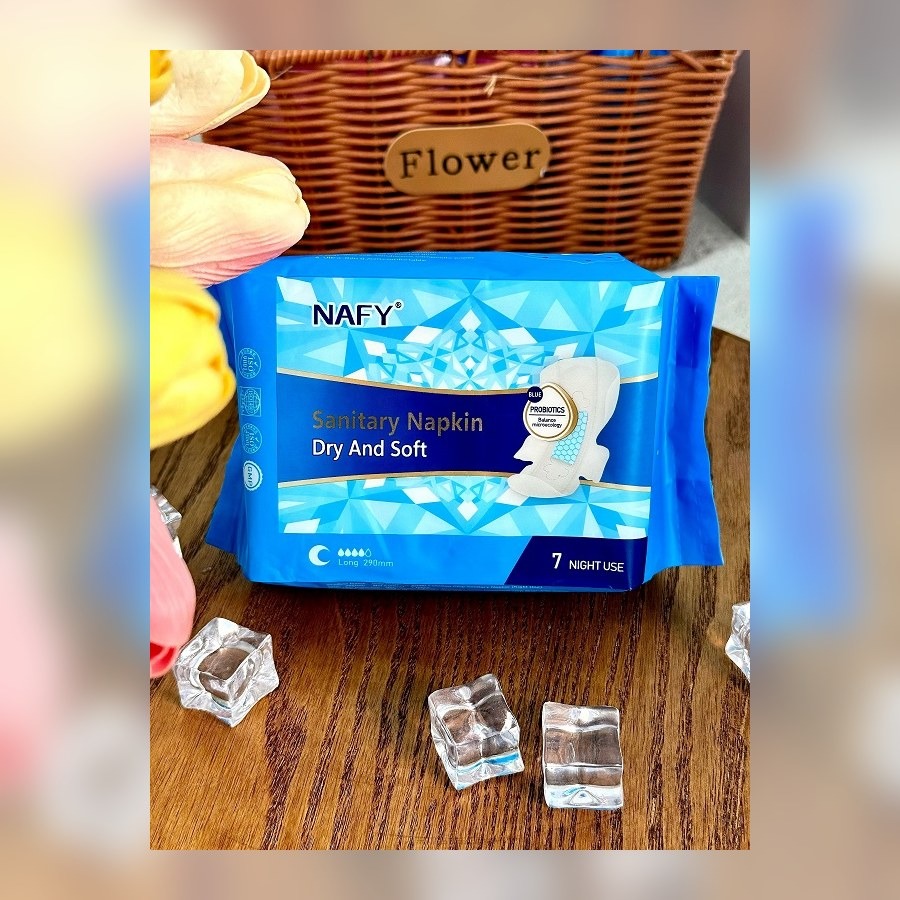
A sanitary pad sample photo can tell the team a lot, but only if the image is read as evidence, not decoration. When the buyer records the sample code, the target use and the review point, a simple photo can support better decisions on topsheet texture, surface dryness, size and repeat order control.
Start With the Photo Purpose
Every image should answer one question. If the buyer wants to check dry surface performance, the photo should be labeled with the sample version and the exact issue being reviewed. That keeps the team from arguing about the wrong detail.
Look at the Surface, Not the Story
A dry-looking image does not replace a clear specification. The team still needs to know the size, surface material and test context. The photo is only one part of the record, but it is a useful part when the note is specific.
Match the Image to the Sample File
Store the photo with the sample code, date and comment history. If the buyer later compares two versions, the older photo should stay with the older sample file so the decision path remains easy to follow.
Use the Photo in the Approval Step
When the buyer and factory discuss a revised pad, the same image can show whether the change is on the surface, the print, the size or the pack. This reduces confusion when several sample versions are circulating at once.
Keep the Evidence in the Repeat Folder
Once the sample is approved, the approved photo should stay with the approved specification and artwork. That way the next order starts from a clear visual baseline instead of a vague memory.
Buyer Control Table
| Control Point | What to Record | Why It Matters |
|---|---|---|
| Sample code | Version, date and reviewer | Prevents wrong comparison |
| Review focus | Surface, length or pack | Turns the image into a decision |
| File location | Spec sheet and approval folder | Keeps the evidence together |
| Repeat baseline | Approved photo and notes | Supports the next order |
OEM Buyer FAQ
Should a buyer trust one photo or one quotation line?
No. A useful OEM decision needs the sample photo, the written specification, the commercial file and the handover record to stay aligned.
Why do small changes matter so much?
A small change in surface, adhesive, pack count, size mix or carton wording can change how the product is quoted, packed and received.
What should stay in the file after approval?
Keep the approved photo, the latest spec, the carton's wording, the sample version, and any buyer comments that explain the final choice.
Related Nafei Pages
Review the sanitary pad category, the 245mm day-use pad page, the full product range and the contact page for related projects.
Discuss Your OEM Project With Nafei
For disposable menstrual pants, sanitary pads or disposable underwear OEM projects, contact Li Genyuan at Nafei. WhatsApp: +86 13508489525. Email: ligenyuan901@gmail.com. You can also send details through the Nafei contact page.
Turn this guide into an OEM brief
Share your product direction, target market, packaging idea and sample questions. Nafei can help translate the buying guide into a practical RFQ discussion.
- Product type: period pants, sanitary pads or mixed OEM project
- Target country, channel and buyer positioning
- Size range, material preference and sample review focus
- Private label artwork, pack count and estimated quantity