Tear-Away Side Seam Review for Disposable Menstrual Pants
2026-07-16
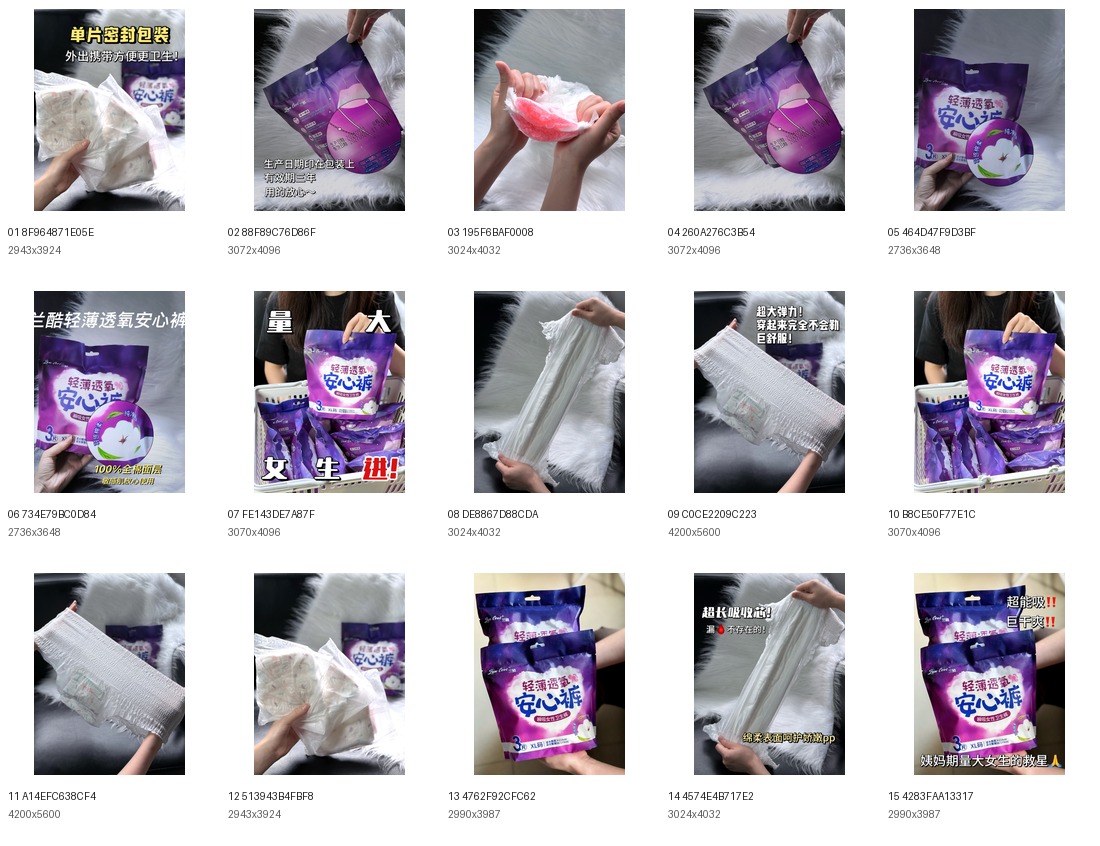
Tear-away side seams help users remove disposable menstrual pants without pulling the product down. For an OEM buyer, the seam should be reviewed as part of the full construction: waistband, side panel, leg opening, absorbent body and disposal method. A controlled sample review provides a stronger approval basis than a general easy-removal description.
Define the Intended Removal Method
Confirm whether both sides are designed to tear and where the user should begin. Review the removal sequence with the product worn on a suitable mannequin or through the buyer's controlled process. Package illustrations should match the accepted sequence.
Inspect Seam Position and Symmetry
Compare the left and right seam positions, bonded width and visual consistency. Check several units across the proposed size range. Record wrinkles, incomplete bonding or differences that could affect handling.
Use a Repeatable Opening Review
Define grip position, pull direction and review conditions. Record whether opening feels lighter, firmer or inconsistent across samples. If a measurable force specification is required, agree on equipment, sample preparation and an acceptance range.
Check the Waistband After Opening
Observe how the elastic area and surrounding material separate. The seam should be considered together with waistband stretch and body fit because changes to elastic or nonwoven layers may change the opening experience.
Review Leg and Core Alignment
Inspect the relationship between side seams, leg gathers and absorbent-core position. Confirm that the opening feature does not create an unintended weak area during normal sample handling. Use cautious, construction-based wording in the buyer record.
Confirm Front and Back Identification
Review printed marks, disposal tape and visual cues. A clear orientation mark can reduce confusion during sample review and support simpler pack instructions. Confirm that inks and marks match the final approved artwork.
Evaluate Disposal Steps
Walk through removal, rolling and disposal. If a disposal tape is included, check its position and instructions. Keep the disposal description practical and aligned with local waste guidance for the destination market.
Control Revisions
Give a new sample code to any change in seam bonding, waistband material, size or side-panel construction. Keep photos of opened and unopened samples, the review notes and the final instruction artwork together.
Compare Nafei Menstrual Pants
Review ultra-thin disposable period underwear, browse the comfort pants category, see the product portfolio, and send size and seam requirements through the contact page.
Buyer FAQ
Is every side seam designed to open the same way? No. Bonding pattern and materials should be reviewed on the exact sample.
Should opening force be specified? It can be when the buyer and supplier agree on a repeatable test method.
What changes require another review? Seam, elastic, nonwoven, size and side-panel changes should receive a new sample code.
Buyer Review Table
| Side detail | What to confirm |
| Tear-away side seam | Review opening direction, side strength and changing convenience after use. |
| Waist and leg fit | Check fit stability together with the side seam instead of reviewing the seam alone. |
| Sample feedback | Keep photos and comments for each revision before approving bulk production. |
OEM Buyer FAQ
Why does the tear-away side seam matter?
It affects changing convenience and how the product is removed after use.
Can side seam strength be judged from photos only?
No. Physical samples should be opened and worn in normal-use review before approval.
Can Nafei support side seam customization?
Yes. Buyers can discuss side opening, waist fit, size range and pack count through the contact page.
Turn this guide into an OEM brief
Share your product direction, target market, packaging idea and sample questions. Nafei can help translate the buying guide into a practical RFQ discussion.
- Product type: period pants, sanitary pads or mixed OEM project
- Target country, channel and buyer positioning
- Size range, material preference and sample review focus
- Private label artwork, pack count and estimated quantity