OEM Sample Revision Log for Feminine Hygiene Product Development
2026-07-16
Sanitary pad and menstrual pants development often involves several material, size and packaging revisions. Without a shared log, teams can approve different samples, repeat old comments or send the wrong artwork into production. A concise revision system connects the buyer brief, physical samples, test observations and final approval.
Create a Project Code
Start with one project code used in emails, sample labels, specifications and artwork folders. Add the destination market, product category and buyer item code. Separate different product lengths or sizes when their construction or packaging differs.
Give Every Sample a Unique ID
Include revision number and date on the sample label. The log should record product type, size or length, topsheet, core direction, backsheet, elastic or adhesive options and packaging state. Avoid labels such as latest sample because they lose meaning after another revision.
Record the Reason for Change
State whether a revision responds to fit, surface feel, core stability, pack size, artwork, cost target or another buyer requirement. Link the change to a numbered comment. This helps the supplier prepare only the affected components.
Separate Facts From Preferences
Measurements and visible construction details belong in factual fields. Buyer panel impressions and commercial preferences should be recorded separately. Test observations should include method and conditions so later teams understand their limits.
Track Packaging Independently
A product sample and an artwork proof may progress at different speeds. Use separate product, individual-wrapper, retail-bag and carton revisions, then list which versions form one approval set. This prevents an accepted product from being paired with an outdated pack file.
Use Clear Status Labels
Helpful statuses include received, under review, revision requested, conditionally accepted, accepted reference and withdrawn. Only one physical construction should hold accepted-reference status for a specific item at a time.
Close Open Questions
Assign an owner and due date to each unresolved issue. Mark whether the buyer, supplier, artwork team or logistics team must respond. A sample should not move to production handover while critical material or pack comments remain open.
Build the Production Handover Set
The final set should include accepted sample ID, specification, approved artwork, packing table, test basis and signed or dated approval record. Photograph the reference sample and store it under agreed conditions for repeat-order comparison.
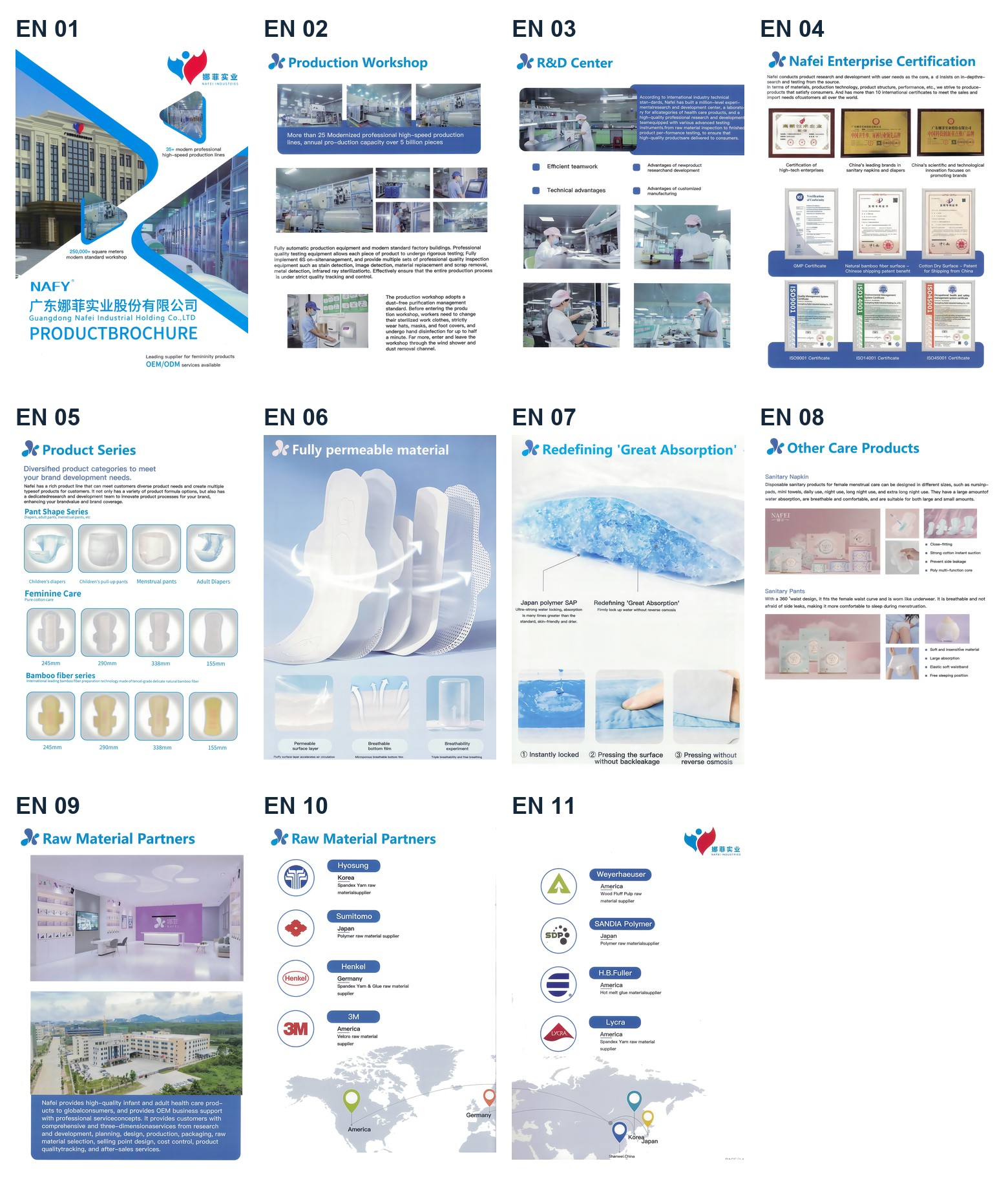
Discuss OEM Development With Nafei
Explore the Nafei product portfolio, compare sanitary pads and menstrual pants, then submit the initial brief through the contact page.
Buyer FAQ
Can email threads replace a revision log? They provide context but are harder to use as a single approval reference.
Should packaging share the product revision number? Separate version fields are clearer when product and artwork change independently.
What should be retained after approval? The reference sample, specification, artwork, observations and dated decision.
Buyer Review Table
| Revision record | Required note |
| Sample version | Assign a clear sample code and date for each change. |
| Change reason | Record whether the change came from fit, material, pack, carton or buyer feedback. |
| Next step | Confirm which version moves to final approval and which version is closed. |
OEM Buyer FAQ
Why keep a sample revision log?
It prevents confusion between product versions and keeps the buyer and factory aligned.
What should be included in the log?
Include sample code, date, requested change, photo reference, review result and next action.
Does this apply to both pads and menstrual pants?
Yes. A revision log is useful for sanitary pads, menstrual pants and disposable underwear projects.
Turn this guide into an OEM brief
Share your product direction, target market, packaging idea and sample questions. Nafei can help translate the buying guide into a practical RFQ discussion.
- Product type: period pants, sanitary pads or mixed OEM project
- Target country, channel and buyer positioning
- Size range, material preference and sample review focus
- Private label artwork, pack count and estimated quantity