That distinction matters for sourcing, packaging, testing, cost structure and the type of factory that can make the product. It also explains why search terms such as sanitary pants, period pants and period underwear often produce confusing supplier results.
Disposable vs reusable menstrual pants at a glance
| Decision area | Disposable menstrual pants | Reusable period underwear |
|---|---|---|
| Use cycle | Single-use; discarded after wear | Washed and reused |
| Core construction | Absorbent hygiene core integrated into a disposable pant | Washable textile absorbent and barrier layers |
| Typical production | Roll-fed material converting, core forming, elastic application, sealing and packing | Fabric cutting, sewing, seam construction, textile finishing and garment QC |
| Fit review | Waist and leg elastic, core placement, side guard and disposable construction | Garment pattern, fabric stretch, seam comfort and wash stability |
| Packaging information | Pack count, size, single-use instructions, batch and carton data | Garment size, fiber composition, washing and care instructions |
| Buyer brief | Absorbency direction, sizes, use scenario, pack count and disposable format | Fabric, multilayer construction, size grading, washing and durability expectations |
How disposable menstrual pants are manufactured
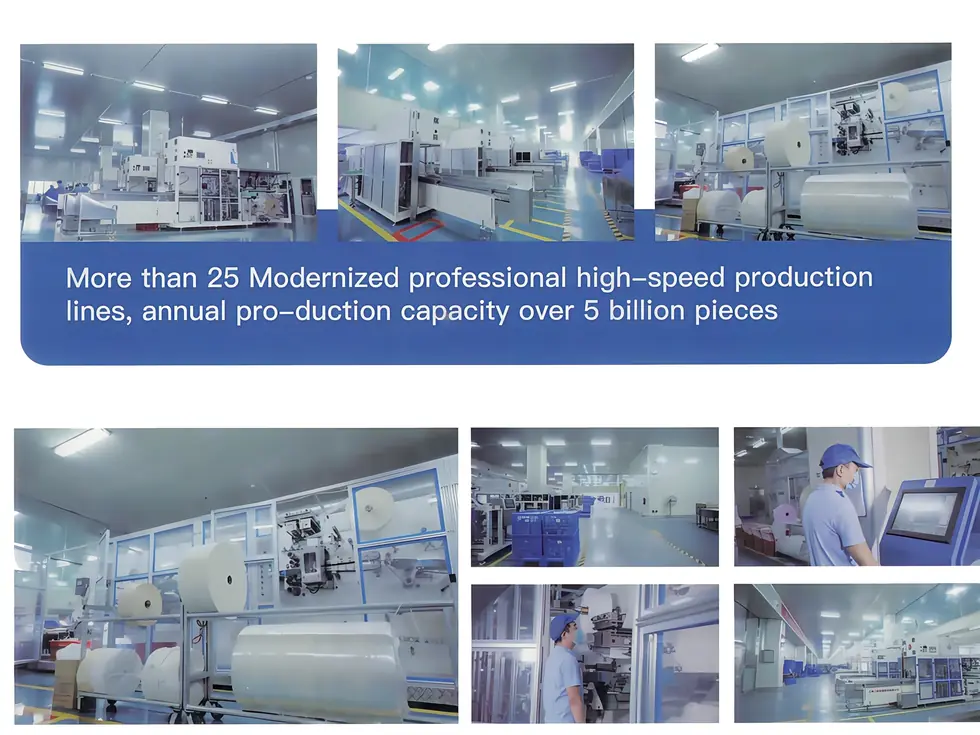
A disposable pant program starts with a hygiene-product specification. The factory must align the surface material, absorbent core direction, backsheet, elastic waist, leg opening, leakage-control structure and finished shape. Production then converts continuous materials into individual pants, followed by folding, counting and retail or export packing.
For an OEM buyer, the useful approval record is not just a product photo. It is a controlled combination of the written specification, physical sample, size map, packaging artwork and agreed quality checkpoints. See Nafei's sanitary pants factory review page for the buyer-facing evidence path.
If the sourcing team has already confirmed that the project is disposable, the next practical check is the manufacturing process for disposable menstrual pants, including fit construction, absorbent-core placement and packing control.
How reusable period underwear is manufactured
Reusable period underwear is closer to technical apparel. A factory normally works with garment patterns, stretch fabrics, washable absorbent layers, barrier textiles, seams and repeated-wash requirements. Sewing quality, fabric recovery, seam placement and care labeling become central issues.
A disposable hygiene converting line should not be assumed to make washable period underwear, and a garment sewing factory should not be assumed to make a disposable absorbent pant. Buyers need to confirm the factory type before discussing price or MOQ.
Why the material and test plans differ
Disposable product review
- Product dimensions and size identification
- Waist and leg-opening fit against the approved sample
- Absorbency-related and rewet-related review using the agreed method
- Side guard, sealing and finished-product integrity
- Pack count, artwork version and carton details
Reusable product review
- Fiber and fabric specification
- Garment sizing and pattern consistency
- Seam comfort and construction
- Wash stability, shrinkage and fabric recovery
- Care label and repeated-use instructions
Neither category should use absolute performance language without a defined test method and evidence. Absolute leakage-protection promises, for example, are not useful sourcing specifications.
Cost and MOQ are driven by different inputs
For disposable menstrual pants, MOQ and pricing can change with size mix, material structure, packaging print setup, pack count and the number of SKUs. For reusable underwear, fabric minimums, color, garment size range, sewing operations and care-label requirements may have greater influence.
This is why a buyer asking only for “period pants price” will receive quotations that cannot be compared. The RFQ must state which product system is required.
Terminology buyers should use in an RFQ
- Write disposable menstrual pants or single-use period pants for the disposable hygiene product.
- Write reusable period underwear or washable menstrual underwear for the textile garment.
- State whether the construction is pull-up or side-open.
- State target sizes, use scenario and packaging format.
- Attach a reference sample or clear specification where possible.
- Ask the supplier to confirm that its factory and production process match the requested category.
Which product is more suitable for a brand?
The answer depends on the customer and channel. Disposable menstrual pants can suit overnight, travel, postpartum-care and convenience-led retail programs. Reusable period underwear can suit customers who accept washing, garment care and a higher initial purchase price. Some brands sell both, but they should manage them as separate supply chains and separate specifications.
Frequently asked questions
Is disposable menstrual pants the same as period underwear?
No. In many markets “period underwear” usually means a washable garment, while disposable menstrual pants are single-use absorbent hygiene products.
Can the same factory manufacture both products?
Possibly, but do not assume it. Ask whether the supplier operates disposable hygiene converting equipment, garment cutting and sewing, or separate qualified production partners.
Are sanitary pants disposable?
The term is ambiguous. In an RFQ, state “disposable menstrual pants” and describe the construction so the factory cannot confuse it with reusable underwear or adult incontinence products.
What information is needed for a disposable pants quotation?
Send construction, sizes, fit direction, use scenario, absorbency direction, packaging, pack count, quantity, market, artwork status and sample requirements.
What information is needed for reusable period underwear?
Send fabric and layer requirements, size grading, garment pattern, seam preferences, wash expectations, color, packaging and care-label requirements.
Which product has the lower MOQ?
There is no universal answer. MOQ depends on materials, sizes, colors or SKUs, packaging and factory setup. Compare project-specific quotations.
Can disposable menstrual pants be called reusable period underwear?
No. That wording can mislead buyers and consumers about use, care and product construction.
Where can I review Nafei's disposable pants options?
Start with the disposable menstrual pants collection, then review the manufacturer page and OEM service.
Send an unambiguous pants RFQ
Tell Nafei whether the product is disposable or reusable, then add construction, sizes, use scenario, packaging and quantity. For a disposable project, use the contact page to request samples or a quotation.