Why a Good Product Wasn't Enough: My Failed Micro-Distribution Venture
2026-09-05
Of all the mistakes I've made in this industry, the one I think about most often didn't involve a single defect, a single complaint, or a single bad batch. The product was fine. That's what makes it worth talking about.
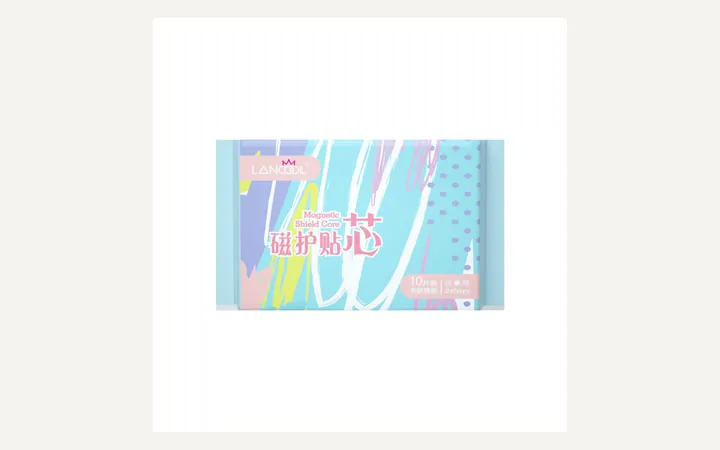
In 2016 I was new to hygiene manufacturing, and I was holding a product with a genuinely good reputation. I had used it. My family had used it. So I did what a lot of confident product people did that year: I built a WeChat reseller network. In Changsha I recruited forty-some agents. In Hengyang, another dozen or two. We handed out phones, organized a team trip to Bali, and moved fast.
It didn't last long. Not because the pads were bad — because I had brought a product to a systems fight.
What the winners had that I didn't
When I eventually dissected the micro-distribution brands that did work, none of them were winning on product alone. They ran what people in that world called the "four basics." Private-message service to every customer, every day. Tear tests and absorbency demos as standard practice. Face-to-face ground promotion, door by door. Relentless daily posting, backed by structured training for the moms doing the selling — plus execution discipline that bordered on military.
I had one strong card — the product — and none of the rest. No training team. No operating standards. No system for making fifty part-time sellers consistent. A good sapling, and no idea how to water it. I tried patching the gap with third-party agencies, but you cannot outsource a system you don't understand. It failed, and I closed it down.
The lesson I paid for
A good product is the ticket into the arena. It is not the pass that lets you walk around inside.
Since then, every business decision I make gets examined from both sides: the product, and the system that carries it. When we build OEM sanitary pad programs for brand partners today, I tell them the same thing. If you are launching a private label, the factory solves half the equation — spec, materials, compliance, consistency. The other half is your distribution, your content, your customer service rhythm. Brands that bring both halves do well. Brands that bring only a great product and a launch date usually burn inventory and blame the factory.
That's also why, when a new client asks how to start with a sanitary pad manufacturer, I ask about their channel before their target price. A client who has thought through how the product reaches a buyer is a client whose project survives contact with reality.
I'm grateful for that failure now. It knocked the "good product sells itself" naivety out of me early, and it's the reason our later moves — e-commerce, then export, then building in public — always got planned as systems, not as products. The most expensive tuition I ever paid was also the most useful.
Li Genyuan is the founder of Guangdong Nafei Biotechnology, an OEM/ODM manufacturer of sanitary pads and menstrual pants. More from Founder's Notes.
Turn this guide into an OEM brief
Share your product direction, target market, packaging idea and sample questions. Nafei can help translate the buying guide into a practical RFQ discussion.
- Product type: period pants, sanitary pads or mixed OEM project
- Target country, channel and buyer positioning
- Size range, material preference and sample review focus
- Private label artwork, pack count and estimated quantity