Why Sanitary Napkin OEM Prices Vary — and What to Check
2026-06-25
Two quotes landed on a buyer's desk — 40% apart, same "sanitary napkin." He assumed one factory was greedy. He was wrong; the gap was the spec. OEM price variance is almost never margin — it's what's inside the pad. Read the spec, not the number.
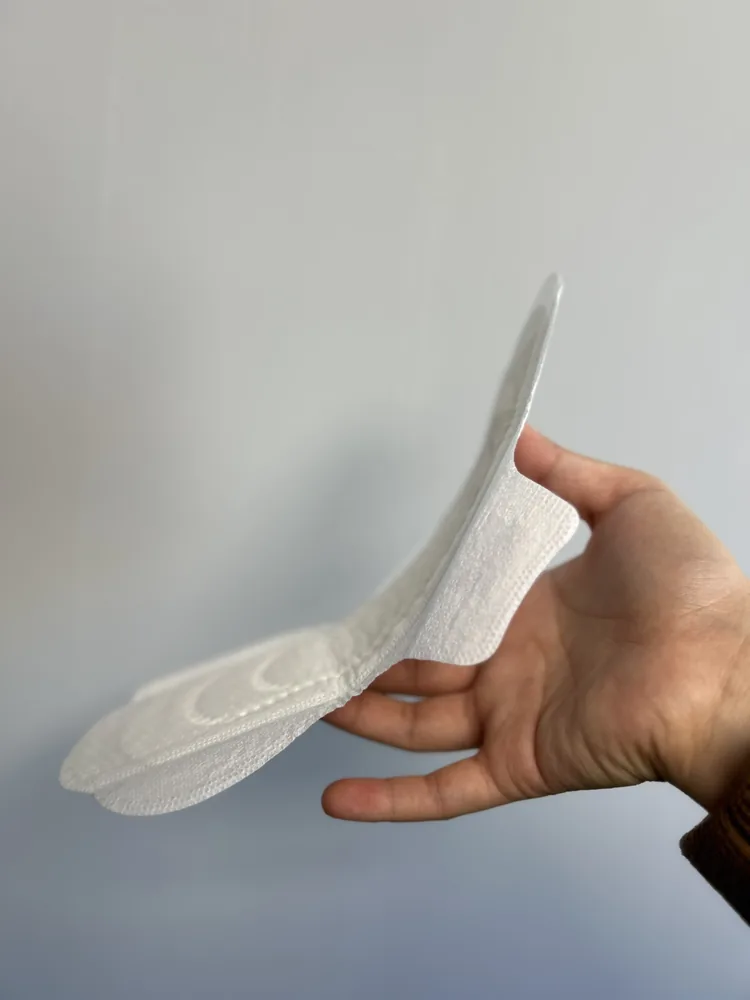
A pad is a stack of purchased materials. Change one, change the price. The cheap quote isn't a better negotiator; it's a different product.
What actually moves the price
| Lever | Effect on unit cost |
|---|---|
| SAP grade | The biggest one. Named high-grade SAP holds more in less volume; cheap SAP bulks and leaks. This is where low quotes cut. |
| Topsheet | Cotton-feel vs smooth, basis weight — material cost and feel. |
| Backsheet | Breathable film costs more than PE; hot markets need it. |
| Pack print | Custom film + carton add plate and MOQ; plain bulk is cheaper. |
| Volume | Setup spreads over units — the main negotiable lever. |
| QC depth | A current test report per spec costs real money; skipping it is "savings" you find later. |
The low-quote trap
When a quote sits 30% under peers, ask where they cut. Nine times out of ten it's SAP grade or topsheet — exactly the parts a buyer notices at hour six. The "saving" is a cent a pad; the cost is a returns wave and a dead listing.
A factory that explains the trade-off ("we used grade X to hit your price, here's what it means for night hold") is one you can work with. One that just says "best price, best quality" is one you can't verify.
Compare apples to apples
Fix the spec first — SAP grade, topsheet, backsheet, size grid, pack — then ask for quotes. Quotes against an undefined "napkin" aren't comparable; they're guesses wearing numbers. A broken-out quote (product, pack, freight separate) lets you see which line moved.
Questions buyers actually ask
Why is one quote so much lower?
Almost never margin — it's the spec. Ask which SAP grade and topsheet they used. The cut is usually there, and it's the part buyers notice at hour six. Require the grade by name.
How do I compare quotes fairly?
Fix the spec (SAP, topsheet, backsheet, size, pack) first, then quote. Ask for product, pack, and freight as separate lines so you see which lever moved. Our napkin specs give you a baseline to fix it against.
Is the cheapest factory always the worst?
Not always — but a quote 30% under peers with no explanation is a red flag. A fair low quote names the trade-off. One that just says "best price" hides the cut.
What's the real long-term cost?
The pad that fails at container fifty: returns, dead listing, lost buyer trust. Pay for named SAP and a current test report; the repeat order repays it. Our team breaks out the quote so you can see the trade-off before you commit.
Comparing sanitary napkin OEM quotes?
Contact the Nafei team for a spec-first, broken-out quote.
Turn this guide into an OEM brief
Share your product direction, target market, packaging idea and sample questions. Nafei can help translate the buying guide into a practical RFQ discussion.
- Product type: period pants, sanitary pads or mixed OEM project
- Target country, channel and buyer positioning
- Size range, material preference and sample review focus
- Private label artwork, pack count and estimated quantity