From Chinese Manufacturing to Global Feminine Care OEM: What Buyers Should Check
2026-06-16
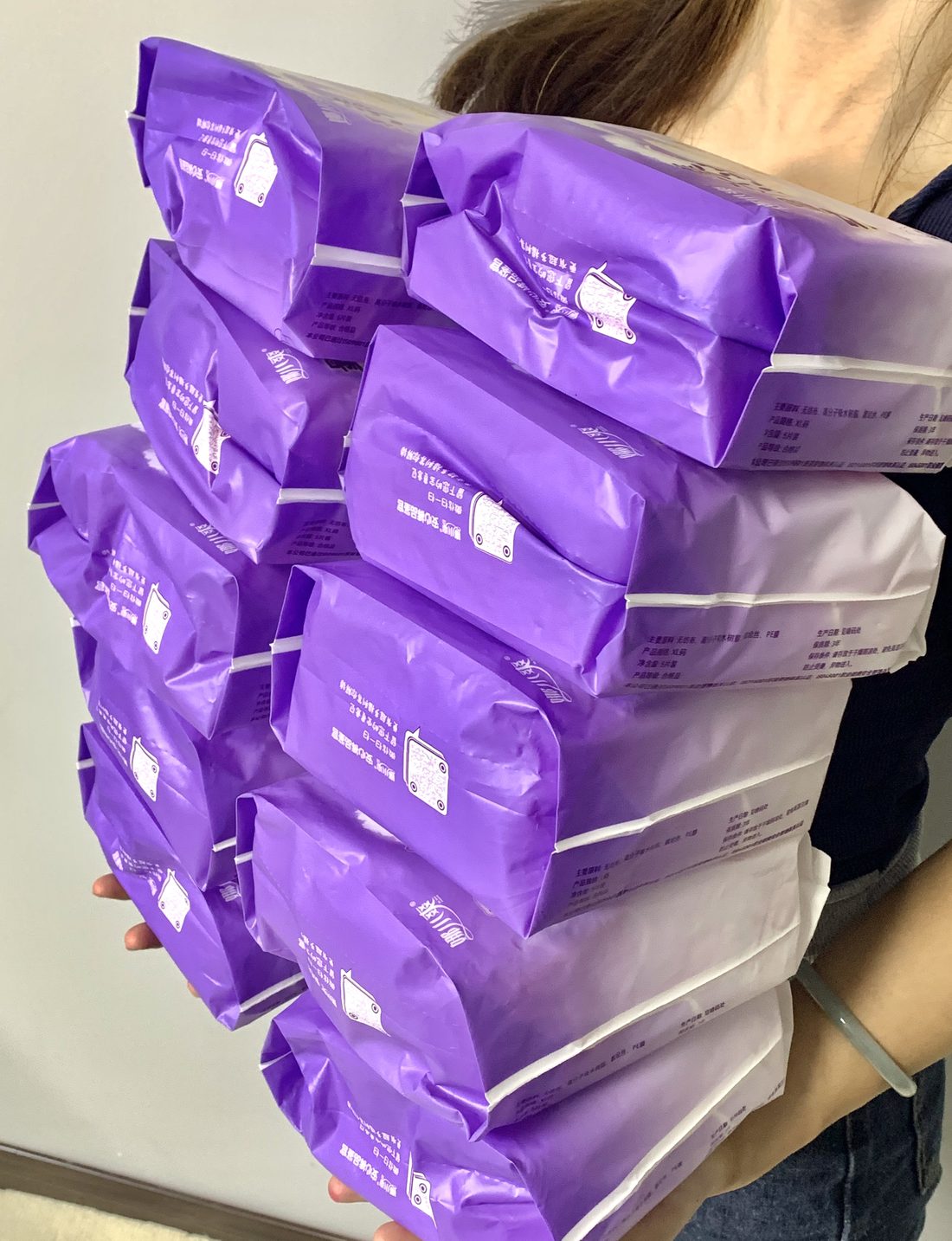
Chinese feminine care manufacturing has moved from simple production capacity to more structured OEM cooperation. Global buyers now need more than a product list: they need samples, packaging support, claim control, documentation and responsive project communication.
A supplier website should therefore work like a buyer decision tool. It should help buyers understand what to ask for, what to compare and how to move from sample discussion to private label production.
What Global Buyers Should Review First
A mature supplier review starts with product fit and sample evidence. Buyers can check whether the supplier can explain product type, size, material direction, packaging options and RFQ details clearly before price negotiation becomes the only topic.
Global Feminine Care OEM Supplier Checklist
| Review area | Buyer check |
| Product range | Sanitary pads, period pants, disposable underwear or packaging support |
| Sample evidence | Real photos, specification sheet, sample notes and approved version |
| Packaging support | Private label artwork, pack count, wrapper and carton planning |
| Claim control | Feature wording that matches sample and buyer documents |
| Communication | Clear RFQ questions, timeline and revision records |
| Export planning | Destination market, labeling needs, carton data and shipment preparation |
How to Use Website Content During Supplier Review
Useful website content should not only say that a factory is professional. It should show product structure, packaging options, buyer checklists and sample-review logic. This helps buyers compare suppliers and ask better RFQ questions.
How This Supports Better RFQ Communication
For a useful RFQ, buyers should share target use scenario, size or length requirement, material preference, packaging format, pack count, destination market and expected order quantity. This helps the supplier respond with a more relevant sample plan instead of a generic quotation.
Internal Links for OEM Planning
Related pages for follow-up reading: About Nafei, Product Range, Sanitary Napkins, Contact Nafei.
FAQ for Buyers
What is the first thing to check in an OEM supplier?
Start with product match, sample evidence, communication quality and whether the supplier can explain packaging and RFQ details clearly.
Are real product photos important?
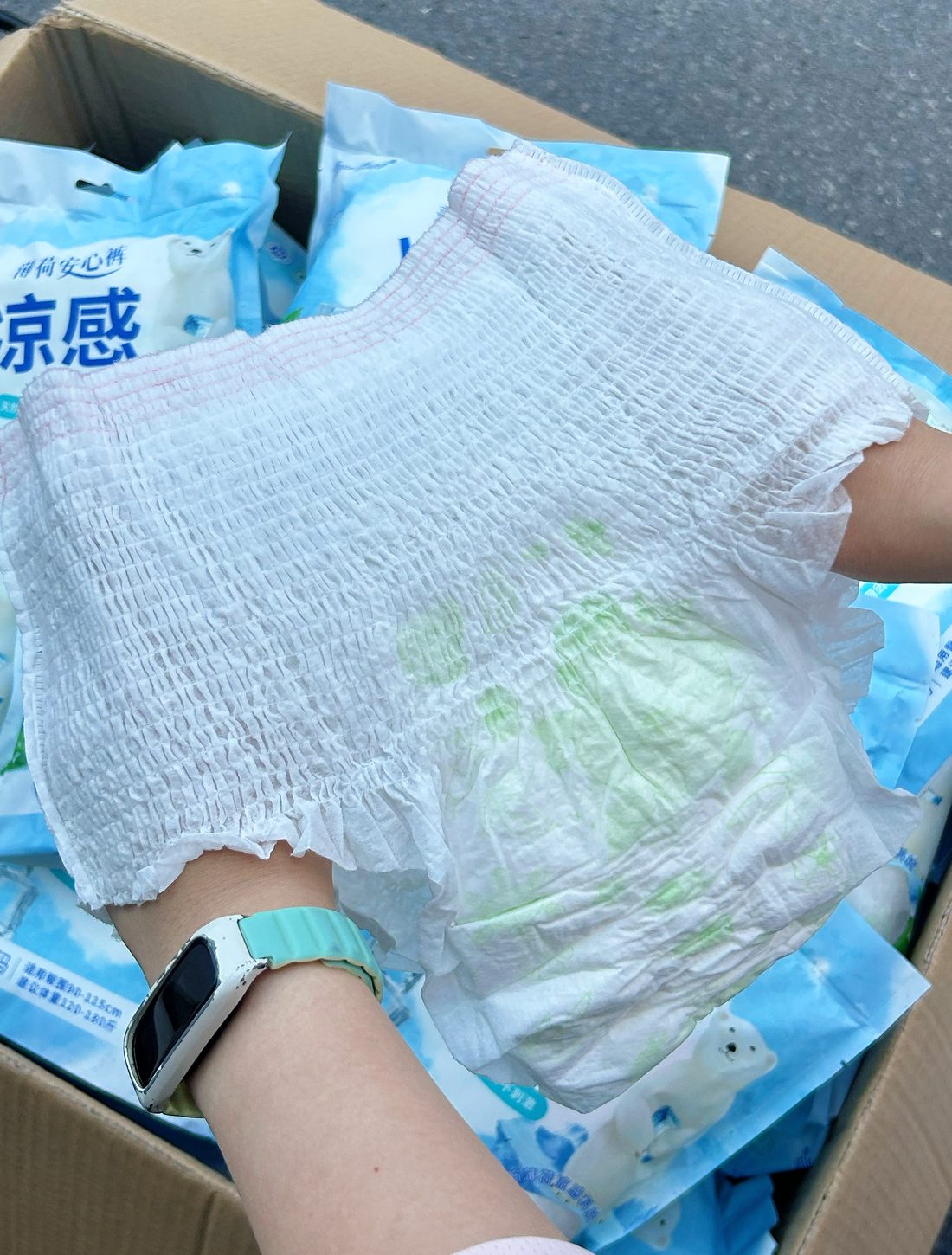
Yes. Real photos help buyers review structure, packaging and supplier communication more concretely than generic marketing copy.
Should price be the only comparison point?
No. Buyers should compare sample quality, claim control, packaging support, documentation and communication together with price.
Nafei can discuss feminine hygiene OEM projects based on buyer specifications, real product materials, sample review and private label packaging requirements.
Recommended Supplier Review Path
This article belongs to the supplier review and sample evidence topic cluster. Buyers should use real photos, documentation, R&D feedback and quality records to compare feminine care suppliers before sending an RFQ.
- Feminine Hygiene Products for the full product range.
- Disposable Menstrual Pants for period underwear sample review.
- Sanitary Pads OEM for pad structure, materials and packaging comparison.
- Send an OEM Brief with photos, sample questions, certification needs and target product details.
FAQ Link Path for Buyers
What evidence helps compare suppliers?
Use real product photos, sample records, packaging proof, certification notes and clear communication history before confirming the supplier shortlist.
Turn this guide into an OEM brief
Share your product direction, target market, packaging idea and sample questions. Nafei can help translate the buying guide into a practical RFQ discussion.
- Product type: period pants, sanitary pads or mixed OEM project
- Target country, channel and buyer positioning
- Size range, material preference and sample review focus
- Private label artwork, pack count and estimated quantity