Sanitary Pads Factory Customization: What OEM Buyers Can Change
2026-06-03
A buyer once assumed "custom" meant any shape he drew. It doesn't — tooling has limits, and a factory that says yes to everything is lying about at least one thing. Real customization capability is knowing what's a spec change and what's a new mold, and being honest about both.
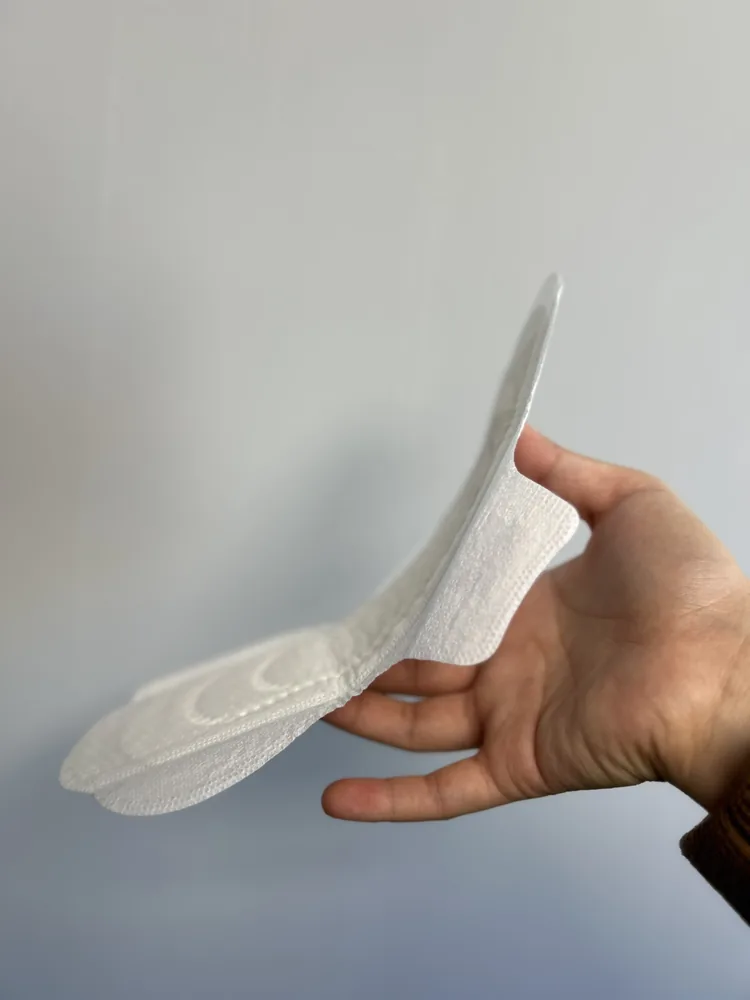
Here's the map of what a pads factory can usually do, what needs tooling, and where buyers over-reach.
What's customizable without new tooling
- SAP load. The easiest, highest-impact change. More grams, more hold — no mold needed.
- Topsheet. Cotton-feel vs smooth, different basis weight. A material swap, not a shape change.
- Backsheet. Breathable film vs PE. Material choice; climate-driven.
- Pack print. Film and carton artwork. Adds plate + MOQ, but no product tooling.
What needs new tooling (and a real commitment)
| Change | Why it needs tooling |
|---|---|
| Pad length / width | Die cut changes; new blade or mold. |
| Wing shape | Wing die is part of the line tooling. |
| Pant shape | Structural; new mold entirely. |
| Emboss pattern | New roller; minor but real. |
The sample process — where custom proves itself
A custom spec lives or dies at the sample. The factory makes a pre-production pad to your spec, you sign it, then bulk runs against that signed sample. If they can't show you the signed sample from a past custom job, they're not tracking repeats — and your "custom" will drift by the third container.
For a benchmark, our comfort pants line shows specs we hold as standard; the same discipline applies to pads.
Order prep buyers forget
The custom brief needs the market's regulatory text and the carton count — both surface at packaging, the last step. Put them in up front so the factory prices the whole job. A vague brief gets a stock pad with your logo and a surprised face at the carton stage.
Questions buyers actually ask
What can I customize without paying for tooling?
SAP load, topsheet, backsheet, and pack print — all material or artwork changes, no mold. Those are the fast, cheap wins. Shape and wings need tooling.
How do I know a custom job will repeat?
Ask for the signed pre-production sample from a past custom order. If they can pull it, they track repeats. If they can't, your spec will drift by container three.
Is a new wing shape worth the tooling?
Only if it's a real differentiator, not a tweak. Tooling adds cost and lead time. Confirm the market payoff before you brief it — our team can flag whether it's worth the mold.
What goes in the custom brief?
Spec (SAP, topsheet, backsheet), size grid, pack format, volumes, market, and regulatory text. All of it — or the carton stage surprises you. We turn a complete brief into a broken-out quote.
Scoping a custom pad with a factory?
Contact the Nafei team to map spec-change vs tooling before you brief.
Turn this guide into an OEM brief
Share your product direction, target market, packaging idea and sample questions. Nafei can help translate the buying guide into a practical RFQ discussion.
- Product type: period pants, sanitary pads or mixed OEM project
- Target country, channel and buyer positioning
- Size range, material preference and sample review focus
- Private label artwork, pack count and estimated quantity