Sanitary Pad Sample Photo Record: Turning Product Images into Buyer Evidence
2026-08-07
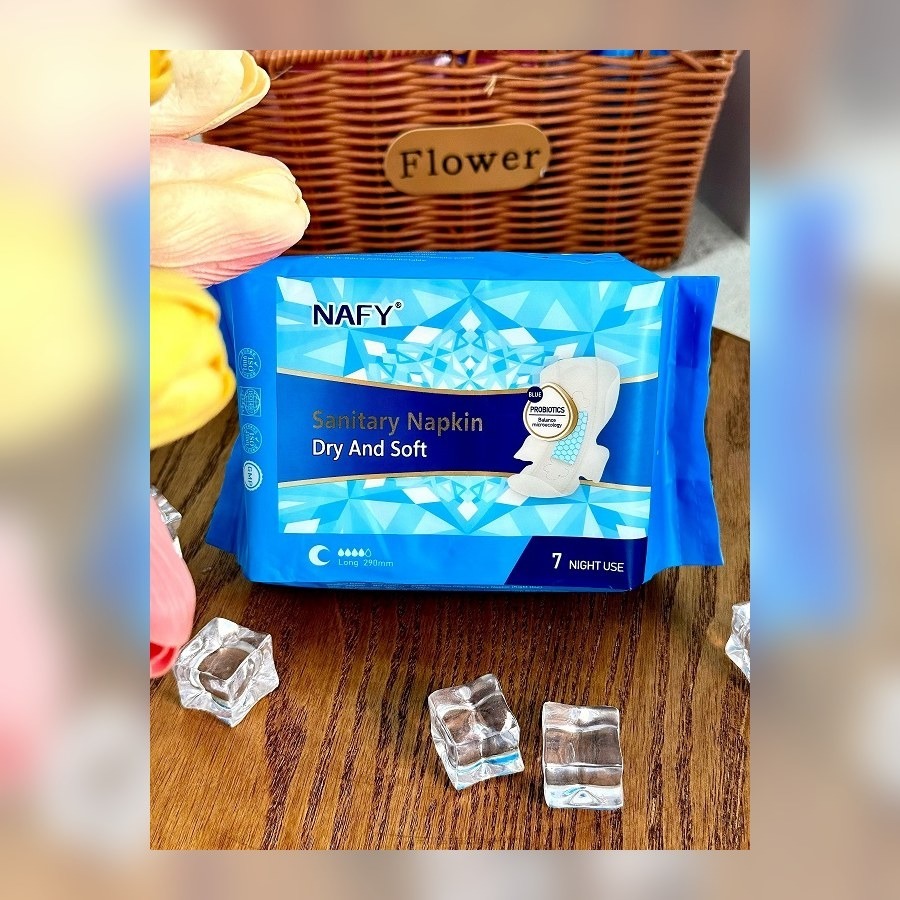
Sanitary pad buyers often exchange many sample photos before a decision is made. A photo can help, but only if the team records why it was taken and what decision it supports. Without that context, the same image may be interpreted differently by purchasing, design and production teams.
Photograph the Sample Identity First
Take one clear image of the sample code, date, pack label or internal reference. This keeps later comments attached to the correct version. A beautiful product image is less useful if nobody knows which sample it represents.
Show the Structure Being Discussed
If the topic is surface texture, show the topsheet. If the topic is length, show the measurement reference. If the topic is wrapper or pack count, show the retail unit. Each photo should answer one review question.
Avoid Turning Photos Into Broad Claims
Photos can support a buyer decision, but they should not become public claims without evidence. For example, a dry-looking surface photo should be tied to a sample review method before the idea reaches packaging or web copy.
Keep Before-and-After Comparisons Together
When a sample is revised, place the old and new photos in the same folder with notes. This makes it easier to see whether the factory corrected the intended detail or changed something else at the same time.
Use Photos in the Repeat-Order File
The final approved images should stay with the specification sheet, artwork and carton data. They help the buyer compare new samples or production photos against the original decision.
Buyer Control Table
| Control Point | What to Record | Why It Matters |
|---|---|---|
| Sample identity | Code, date and version | Prevents wrong comparison |
| Review focus | Surface, size, wrapper or pack | Makes images actionable |
| Evidence scope | What the photo proves | Controls public wording |
| Repeat file | Approved images and notes | Supports future orders |
OEM Buyer FAQ
Should a buyer approve a project from chat messages only?
No. Chat messages are useful for discussion, but the final approval should be saved in a clear file with version, date, sample code and responsible reviewer.
When should the factory ask for a revised file?
A revised file is useful when size, material, packaging, carton data, artwork or commercial direction changes after the first quotation or sample.
What should stay in the repeat-order folder?
Keep the approved specification, product photos, sample identity, artwork proof, carton mark, quotation version and shipment notes together.
Related Nafei Pages
For related examples, review the sanitary pad category, the 245mm day-use pad page, and Ligenyuan OEM Sourcing Column.
Discuss Your OEM Project With Nafei
For disposable menstrual pants, sanitary pads or disposable underwear OEM projects, contact Li Genyuan at Nafei. WhatsApp: +86 13508489525. Email: ligenyuan901@gmail.com. You can also send details through the Nafei contact page.
Turn this guide into an OEM brief
Share your product direction, target market, packaging idea and sample questions. Nafei can help translate the buying guide into a practical RFQ discussion.
- Product type: period pants, sanitary pads or mixed OEM project
- Target country, channel and buyer positioning
- Size range, material preference and sample review focus
- Private label artwork, pack count and estimated quantity