
Taiwan Menstrual Pants Shipment Case: Carton Loading Notes for OEM Buyers
2026-07-23
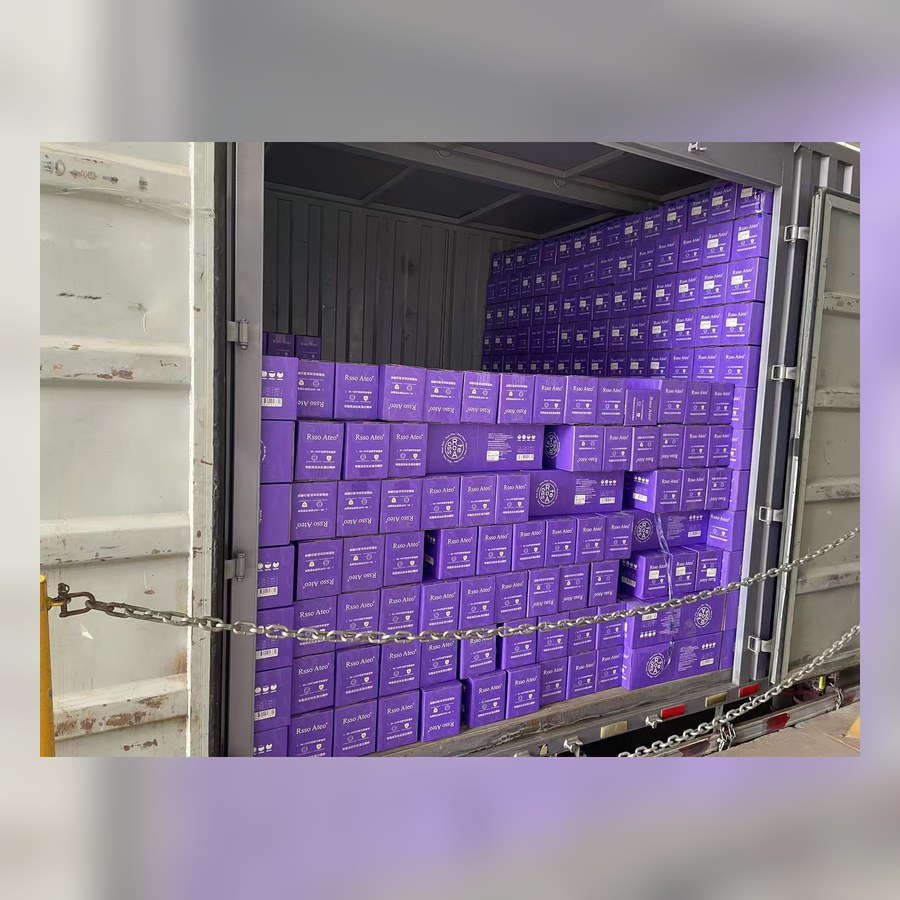
A shipment photo can do more than show that goods left the warehouse. For menstrual pants OEM buyers, it is a practical control point that connects approved samples, retail packs, carton marks, loading order and receiving checks. This Taiwan market menstrual pants shipment gives a useful example of how buyers can ask suppliers for clearer evidence without turning a routine delivery into an overloaded paperwork process.
Start With SKU Separation
Before loading, each menstrual pants SKU should be connected with a clear item code, size range, pack count and carton quantity. If several sizes or pack versions share a similar outer carton, the buyer should request a loading list that separates them line by line.
Match Cartons With the Approved Pack
The outside carton should match the retail pack and approved artwork record. Buyers can ask for photos showing carton faces, side labels and stacked layout so the receiving team can compare what arrives with the purchase order.
Review Loading Density
Menstrual pants are soft goods, but the retail packs still need reasonable carton protection. Loading should avoid excessive compression, unstable stacks and mixed cartons without identification. A clear photo from the open truck or container is useful because it shows the actual loading condition.
Keep Shipment Evidence Practical
A useful shipment record does not need dozens of images. It should show the product, carton mark, loaded quantity direction, seal or handover status and the date. The point is to reduce uncertainty for the buyer, not to create a decorative photo set.
Connect Shipment to Reorder Planning
After delivery, buyers can compare receiving notes with shipment photos. If the goods arrive cleanly and the carton coding is easy to identify, the same format can become the standard for repeat orders.
Use Case Photos Carefully
Case photos should not reveal private commercial details that the buyer has not approved for public use. Website examples should focus on product category, delivery scenario and process discipline rather than internal costs or confidential customer data.
Buyer Review Table
| Review area | What to check | Buyer note |
|---|---|---|
| SKU control | Item code, size, pack count and carton quantity | Use one loading list for buyer and supplier teams |
| Carton evidence | Visible labels, stack condition and product category | Keep photos connected to shipment date |
| Repeat order value | Receiving clarity and warehouse handling | Reuse the format if it works well |
Related Nafei Pages
Review disposable menstrual pants, compare the full product portfolio, and check factory evidence on the factory capability page.
OEM Buyer FAQ
Should buyers request loading photos for every order?
For first orders, mixed-SKU shipments or new packaging, loading photos are useful. For repeat orders, the buyer and supplier can agree on a lighter evidence set.
Can shipment photos replace inspection?
No. They support handover review, but they do not replace sample approval, QC records or buyer inspection requirements.
Which product page should buyers review next?
Buyers can compare related disposable menstrual pants through the Nafei comfort pants category.
For OEM or ODM discussion, send your product type, target market, size range, pack count, quantity, artwork status and delivery plan through the Nafei contact page. You can also contact Li Genyuan on WhatsApp +86 135 0848 9525 or email ligenyuan901@gmail.com.
Turn this guide into an OEM brief
Share your product direction, target market, packaging idea and sample questions. Nafei can help translate the buying guide into a practical RFQ discussion.
- Product type: period pants, sanitary pads or mixed OEM project
- Target country, channel and buyer positioning
- Size range, material preference and sample review focus
- Private label artwork, pack count and estimated quantity