This guide is for brand owners, importers and distributors preparing an OEM sanitary pads project. It supports the commercial OEM page without replacing it: this page explains the workflow buyers should use before comparing quotes or approving bulk production.
1. Start with one product brief
The buyer brief should make the project easy to quote and easy to sample. Send one document that states the pad type, length, surface direction, absorbency direction, wings, backsheet direction, individual wrapper, retail pack, carton information, quantity range, destination market and target timeline.
| Brief field | Buyer input | Factory review point |
|---|---|---|
| Product type | Day, night, liner, longer-length or other confirmed direction | Current sample match and available construction |
| Size and shape | Length, width, wings and shape notes | Production setup and tolerance discussion |
| Surface and core | Surface feel and absorbency direction | Material match and sample comparison |
| Packaging | Wrapper, pack count, bag or box and carton mark | Artwork control and packing instruction |
| Order plan | Quantity range, SKU mix and target market | MOQ, schedule and shipment planning after review |
2. Match the brief to current factory capability
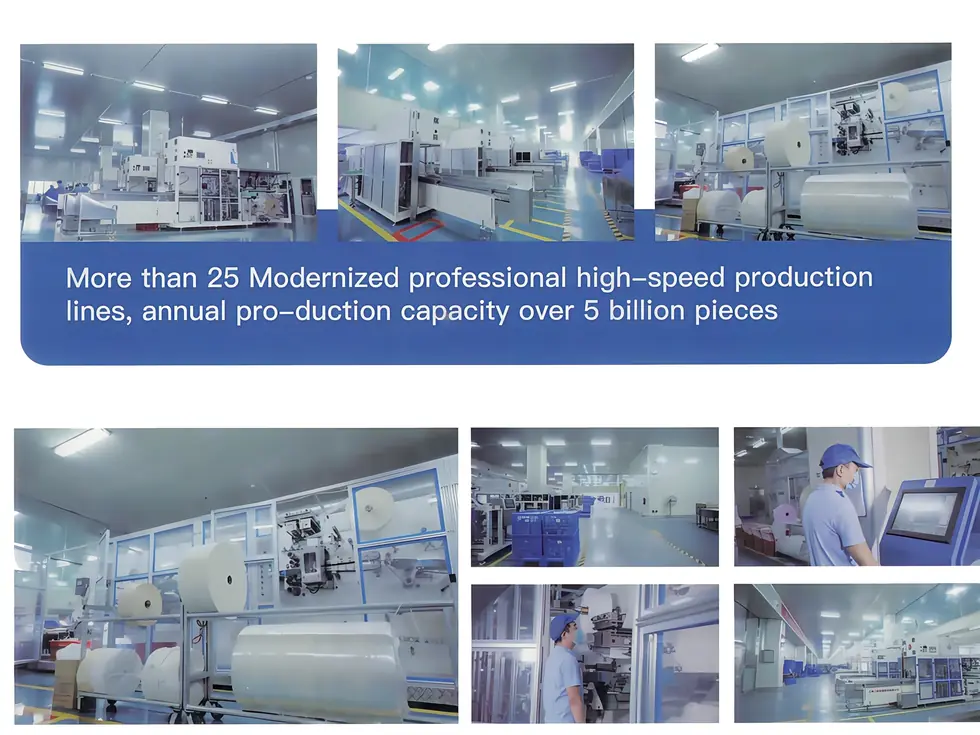
After the brief is clear, confirm whether the current product range and production process can support it. Buyers can use the sanitary pads factory page and the sanitary pad manufacturing process guide to review the production route before sampling.
- Confirm the requested pad type and size direction.
- Check whether the planned structure matches current production capability.
- Separate a standard-product sample from a new private-label development request.
- Record any material, surface or packaging change before sample approval.
3. Review samples with a version record
A sample is not only a sales item. It is the bridge between the buyer brief and future production. Each sample should have a simple version record: what was requested, what was changed, what the buyer approved and which specification it belongs to.
Where the project involves custom packaging, keep product approval and artwork approval linked but separate. A product can be acceptable while the wrapper, bag, barcode or carton mark still needs correction.
4. Freeze specification and packaging files
| Approval file | What it controls | Common risk |
|---|---|---|
| Product specification | Size, structure, surface, core and backsheet direction | Bulk order differs from sample notes |
| Approved sample | Physical reference for appearance and construction | Sample changes are handled only in chat history |
| Retail artwork | Wrapper, bag or box design, language and barcode | Wrong version is printed |
| Packing instruction | Pack count, carton quantity and carton mark | Correct product packed into wrong retail unit |
| Quality plan | Inspection scope and evidence requested before shipment | Checks are discussed too late |
5. Move from approval to production planning
Once the sample, specification and packaging files are aligned, the factory can review material readiness, printing requirements, production arrangement, packing details and shipment documents. MOQ and lead time should be confirmed after this review, because they depend on the real project scope rather than a generic number.
6. Confirm quality and shipment records
Before shipment, agree what evidence can be shared for this order. Useful records can include the approved sample reference, specification file, packaging approval, inspection summary, packing list, carton information and shipment photos where appropriate.
For more detail on inspection language, review the sanitary pad quality control page and the factory quality-control checklist.
OEM sanitary pads process FAQ
What is the first step in an OEM sanitary pads project?
Should a buyer approve a sample before bulk production?
Does packaging affect the OEM process?
When should quality checks be discussed?
Can MOQ and lead time be confirmed from this guide?
Where can I send an OEM sanitary pads brief?
Send a controlled OEM pads brief
Prepare one brief with product type, length, surface, absorbency direction, packaging, quantity range, target market and sample needs. Continue through OEM sanitary pads or send the brief through Nafei contact.