Why a Good OEM Factory Is More Than Its Machines
2026-06-26
When many people look for an OEM factory, what do they check first?
They look at the size of the workshop, the number of machines, the speed of the production line and the overall production capacity.
These points are important. Without stable equipment and capacity, order delivery has no foundation. But in the feminine hygiene products industry, a truly good OEM factory is never just a factory that has machines.
Machines can prove that a factory is able to produce. They cannot prove that the factory can help you develop the right product.
Machines Can Produce, But They Cannot Make Product Decisions for You
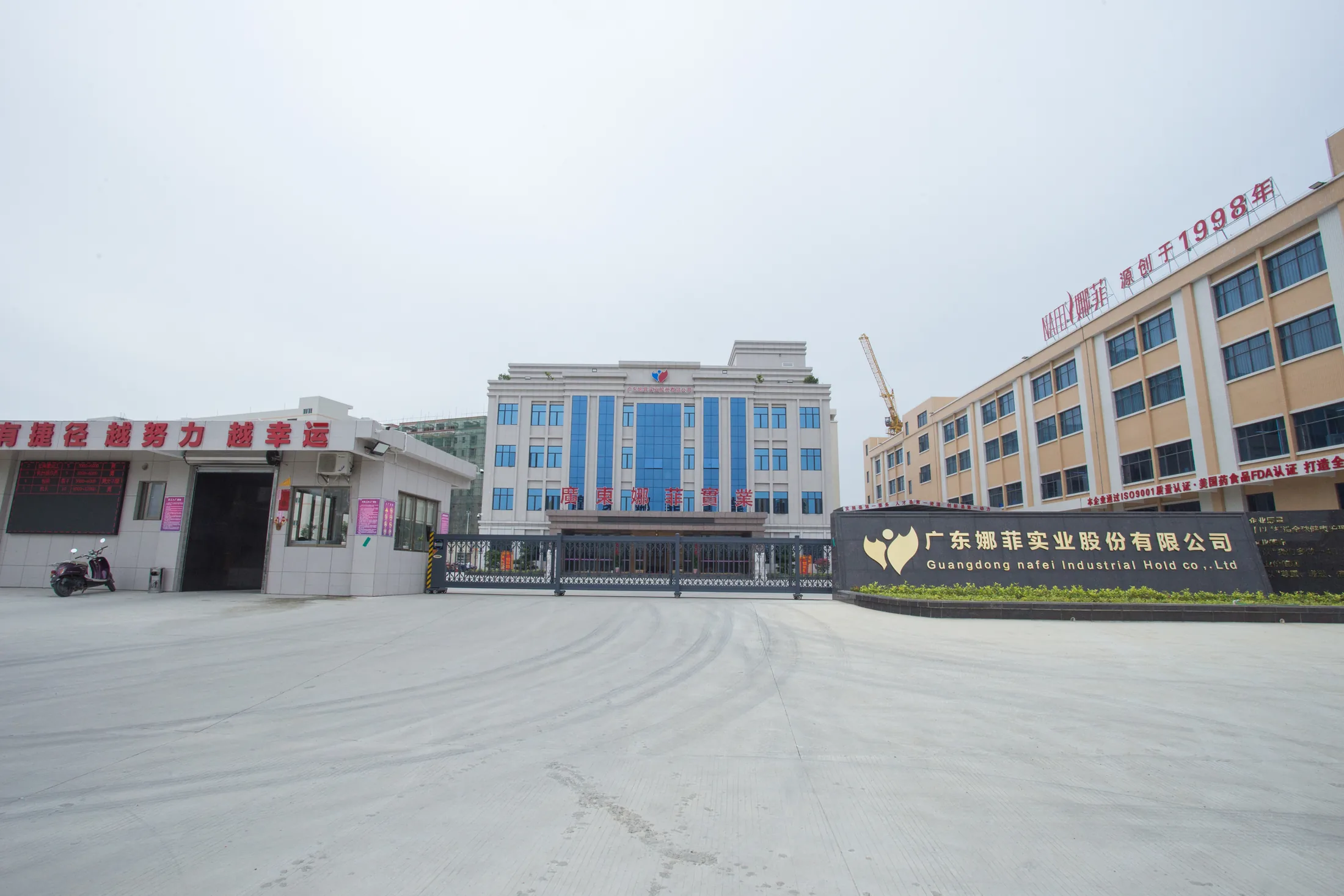
A sanitary napkin, disposable menstrual pants or disposable underwear product has to go through many decisions before it reaches mass production. Who is the target user? Is the product designed for night use, day use, summer lightweight comfort, or postpartum care packaging? Should the topsheet feel softer, or should the product focus more on a dry surface? How much absorbent core capacity is suitable? How should the backsheet balance protection and breathability? Should the packaging be designed for e-commerce, supermarkets, or overseas private label sales?
These are not questions that machines can answer.
A valuable OEM factory should join the product development stage early and help the customer think through the relationship between materials, structure, cost, user experience and market positioning.
Production Capacity Is Only the Starting Point
Having machines means a factory can make a product. Having research experience means the factory can judge how the product should be made.
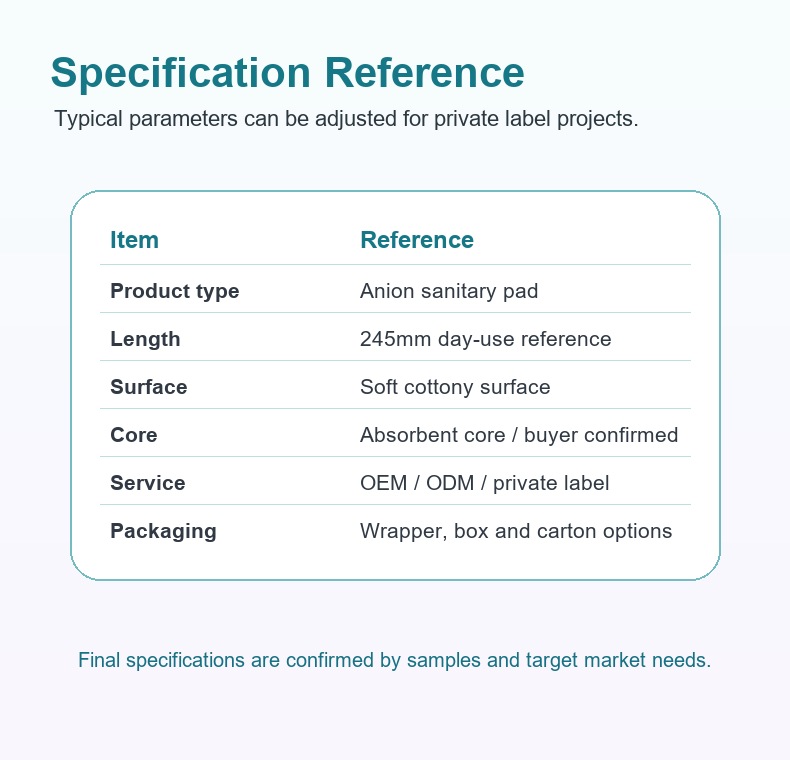
This matters especially in sanitary napkins, disposable menstrual pants and related hygiene products. These products are not simple material-stacking projects. The topsheet, acquisition layer, absorbent core, SAP, backsheet, side protection and waistband structure all influence each other.
One Good Material Does Not Guarantee a Good Finished Product
A single material may look excellent on a specification sheet, but that does not mean it will work well inside the complete product structure.
If the topsheet feels very soft but fluid transfer is slow, users may feel wet or sticky. If the absorbent core is designed with very high capacity but the product becomes too thick, wearing comfort may be affected. If the backsheet focuses only on protection but does not consider breathability, long-time wearing experience may also suffer.
What a Good OEM Factory Should Help Buyers Confirm
When a buyer receives a sample, the key question is not only, Can this factory produce it? The buyer should also confirm whether the product is truly suitable for the intended market and use scenario.
| Review area | What buyers should check | Why it matters |
|---|---|---|
| Wearing comfort | Topsheet touch, thickness, flexibility and fit | Comfort affects repeat purchase and user feedback. |
| Absorbent structure | Core design, SAP ratio and acquisition layer matching | Good structure supports a dry and stable wearing experience. |
| Fit and protection | Waistband, side protection and edge design | Fit should match the target user and use scenario. |
| Packaging expression | Claims, pack count, carton marks and private label artwork | Packaging should match the approved sample and real product experience. |
| Batch stability | Quality control, inspection records and production consistency | Stable delivery is essential for long-term brand cooperation. |
Good OEM Factories Also Understand the Market
Not every customer needs the highest configuration, and not every product should be designed as the most expensive version. Some brands focus on value for money. Some brands want a premium line. Some buyers serve mother and baby channels. Some customers focus on overseas private label distribution.
Different channels, price ranges and use scenarios require different product structures.
If a factory only says, We can make this, and we can also make that, but cannot help the customer judge which solution is more suitable, it is hard for that factory to truly reduce trial-and-error cost.
Reliable OEM Cooperation Is a Full Development Process
A reliable OEM relationship is not only about placing an order and waiting for production. It should be a complete collaboration process:
- Start from the product concept and confirm the target market and use scenario.
- Select materials and structure according to the positioning.
- Adjust details through sample testing and feedback.
- Confirm packaging, specifications and product wording.
- Track quality after entering mass production.
- Deliver stable products to the buyer market.
For Brand Buyers, the Factory Is Also a Product Partner
Machines are the foundation of a factory, but they are not the whole value. For brand customers, choosing an OEM factory is not only choosing a production line. It is choosing a team that can work with the brand for the long term.
The factory should understand production and product development. It should have capacity and response speed. It should deliver goods, but it should also help solve problems when they appear.
My View as an OEM Supplier
A good OEM factory should certainly have machines. But more importantly, it should have the ability to make the product right, adjust samples properly, keep orders stable and understand what the customer is really asking for.
Because what a brand finally needs is not just a batch of goods that has been produced. The brand needs a product that can enter the market, be accepted by users and support repeat purchase.
OEM Buyer FAQ
Is production capacity enough to judge an OEM factory?
No. Capacity is important, but buyers should also review product development ability, sample adjustment, quality control, communication efficiency and market understanding.
What should I prepare before asking for an OEM quotation?
Prepare the target product type, use scenario, size or length, absorption target, packaging style, quantity, sample request and artwork status. Clear information helps the factory recommend a more suitable solution.
Can Nafei support sanitary napkin and disposable menstrual pants OEM projects?
Yes. Nafei supports sanitary napkin, disposable menstrual pants, disposable underwear and private label packaging projects for overseas B2B buyers. The discussion can start from product positioning, sample review and packaging requirements.
Contact Ligenyuan
If you are preparing a sanitary napkin, disposable menstrual pants, disposable underwear or private label feminine care OEM project, you can contact me directly.
Ligenyuan
WhatsApp: +86 135 0848 9525
Email: ligenyuan901@gmail.com
Website form: Send an OEM inquiry
Column: Back to Ligenyuan OEM Sourcing Column
Turn this guide into an OEM brief
Share your product direction, target market, packaging idea and sample questions. Nafei can help translate the buying guide into a practical RFQ discussion.
- Product type: period pants, sanitary pads or mixed OEM project
- Target country, channel and buyer positioning
- Size range, material preference and sample review focus
- Private label artwork, pack count and estimated quantity