
Ultra Thin Sanitary Pads OEM: Sample Checks Beyond Thickness
2026-07-06
Ultra-thin sanitary pads are easy to compare by thickness, but thickness alone does not decide whether a product works for a private label buyer. The full sample review matters more.
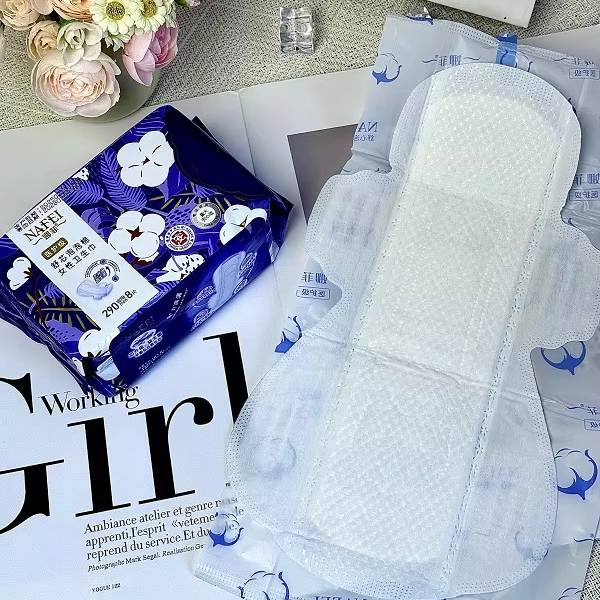
Review Surface and Dry Feel
A thin product should still guide liquid into the absorbent area quickly. Buyers should compare surface marks and touch after sample testing.
Check Core Balance
A core that is too thin for the target use can create weak user feedback. A core that is too heavy can damage the ultra-thin positioning.
Match Pack Count to Channel
Distributor packs, trial packs and retail packs need different count logic. The sample should match the package route.
Buyer Review Table
| Area | What to confirm | Buyer value |
|---|---|---|
| Surface | Dry touch and quick pass-through | Supports wearing comfort |
| Core | Thickness and absorbent route | Matches product position |
| Size | Day, night or mixed line | Clarifies SKU role |
| Pack count | Trial, retail or distributor pack | Supports sales channel |
Useful Internal Links
For the next step, review sanitary napkin products, custom pad packaging, contact Nafei.
FAQ
Is thinner always better?
No. The right route depends on surface feel, core balance, size and use scenario.
Can ultra-thin pads be customized?
Yes. Buyers can discuss size, surface, core route, bag count and carton labels.
What should be checked before bulk order?
Confirm sample feel, pad size, packaging artwork, carton labels and quantity split.
Discuss Your OEM Project
Contact Ligenyuan: WhatsApp: +86 13508489525 | Email: ligenyuan901@gmail.com | Send an inquiry.
Turn this guide into an OEM brief
Share your product direction, target market, packaging idea and sample questions. Nafei can help translate the buying guide into a practical RFQ discussion.
- Product type: period pants, sanitary pads or mixed OEM project
- Target country, channel and buyer positioning
- Size range, material preference and sample review focus
- Private label artwork, pack count and estimated quantity