US FDA and Menstrual Pads: The OTC Monograph Route Most Importers Miss
In the US, menstrual pads are regulated as OTC medical devices under an FDA monograph — not a 510(k). What importers must actually line up: establishment registration, device listing, labeling that f···
Share target market, size range, pack count, artwork status and order quantity for quotation.
Introduction
A US-bound buyer told me his freight forwarder asked for an FDA 510(k) on a container of pads. There isn't one — and asking for it signals the forwarder doesn't know the US route for menstrual products. The US doesn't regulate pads like a novel device. It regulates them as a long-established OTC product under a monograph, and the work is registration and listing, not a premarket clearance.
Here's what the US route actually is.
Pads are OTC devices, but under a monograph
The FDA classifies menstrual pads as over-the-counter (OTC) medical devices in the established category for menstrual pads and tampons. The practical point: they're governed by an OTC monograph, not by a 510(k) premarket submission. A monograph is the "this is how this category is allowed to be made and labeled" rule. If your product fits the monograph, you don't file for individual clearance — you register, list, and label to standard.
- No 510(k). That's the single biggest misunderstanding. A standard pad isn't a new device needing premarket notification.
- Establishment registration + device listing. The manufacturing establishment registers with FDA, and the specific device is listed. This is the paperwork that actually travels with US market entry.
- Labeling must fit the monograph. Claims, indications, and warnings have to sit inside what the monograph allows. Step outside — a drug-like claim, a cure claim — and you've left the OTC lane.
The checklist buyers actually need
- 1Get the establishment registered. The facility that makes or initially distributes into the US registers with FDA. If you're importing from a Chinese OEM, the OEM's establishment is the one that registers; your US entity may need its own too depending on role.
- 2List the device. The specific pad product is listed under the correct product code. This is the "this SKU exists in FDA's book" step.
- 3Label to the monograph, not to your marketing team. Indications, directions, and any warnings follow the category standard. A label written by someone chasing shelf appeal, not the monograph, is the usual rejection point.
- 4Watch California Prop 65. Selling into California adds a separate chemical-exposure labeling regime that has nothing to do with FDA but bites brands that ignore it. REACH is the EU cousin; Prop 65 is the US state-level one.
Practical rule: if a US partner asks for a 510(k) on pads, gently correct them. The real asks are establishment registration, device listing, monograph-correct labeling, and — for California — Prop 65. Nail those four and the US lane is far less scary than the CE myth makes it look.
Frequently asked questions
Do menstrual pads need FDA 510(k) clearance to sell in the US?
No. Pads are OTC medical devices governed by an established monograph, not a 510(k) premarket notification. The requirements are establishment registration, device listing, and monograph-compliant labeling — not individual premarket clearance for a standard pad.
What does "establishment registration" mean for an importer?
The manufacturing or initial US-distributing establishment registers with FDA, and the specific pad product is listed under its product code. If you import from a Chinese OEM, the OEM's establishment typically registers; your US-facing entity's obligations depend on its role in distribution. Both registration and listing should be current before product moves.
Does California Prop 65 apply to pads?
Prop 65 is a separate California requirement about warning consumers of listed-chemical exposure, independent of FDA. Brands selling into California need to assess it alongside federal FDA labeling. It's a frequent surprise for brands that only planned for FDA and forgot the state layer.
Request a US-Ready OEM Quotation
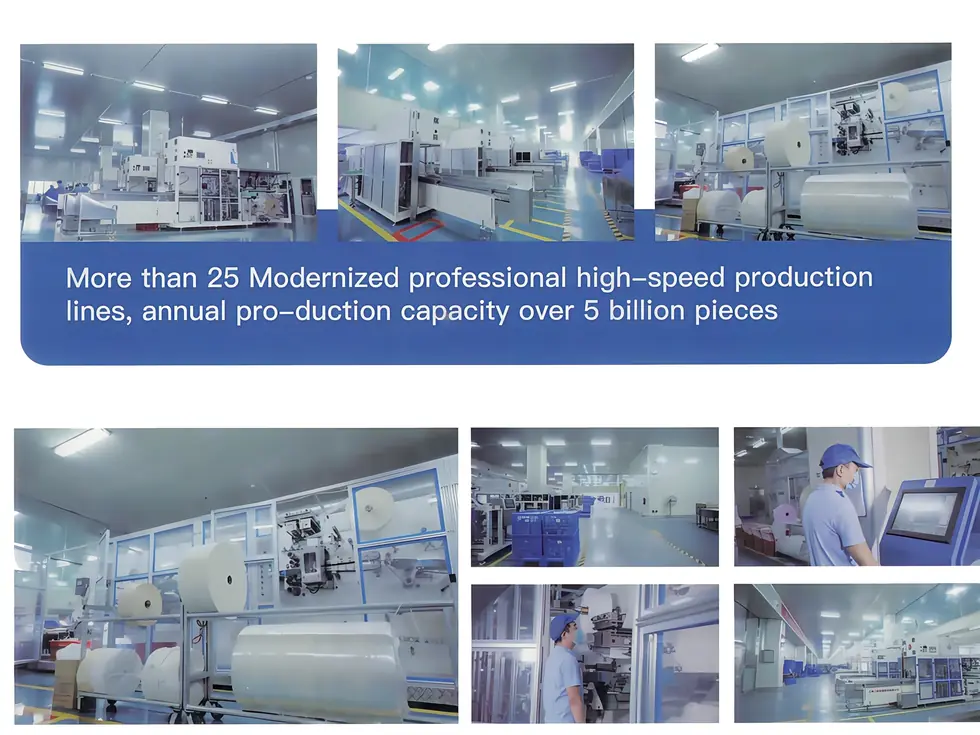
Launching pads in the US? Tell us your distribution model and volume, and we'll spec a US-ready OEM program — monograph-aligned labeling, a registration-ready establishment setup, and materials defensible under both FDA and California Prop 65. A compliant quote and samples follow once we know your route to market.
Photos
Send a sampling brief for US FDA and Menstrual Pads: The OTC Monograph Route Most Importers Miss
Tell Nafei your target market, size range, absorbency preference, packaging artwork status and estimated order plan. Our team can reply with sample discussion and quotation details.
- Target market and sales channel
- Size, pack count and material preference
- Private label artwork or packaging reference
- Sample review, quantity and delivery timeline