
China vs Southeast Asia Pad Manufacturing: Cost, Lead Time and Compliance
Moving pad production to Southeast Asia isn't automatically cheaper — often it isn't. The real trade-off is lead time, duty, and which compliance regime you're already set up for. A straight comparis···
Share target market, size range, pack count, artwork status and order quantity for quotation.
Introduction
Every few months a buyer tells me they're "moving production to Vietnam to save money." Sometimes it works. Often it doesn't — they trade a known, fast, compliant Chinese line for a cheaper hourly rate that gets eaten by longer lead times, a weaker supplier base, and a compliance regime they have to learn from zero. The shift can be right. It's rarely the automatic win the pitch suggests.
Here's the trade-off as it actually plays out.
Cost: the headline that misleads
Labour and some overhead are lower in parts of Southeast Asia. But pad cost is driven by materials and scale, not labour — the line is automated, and SAP, pulp and film are global commodities priced similarly everywhere. A smaller, newer SEA plant often has worse material terms and lower line efficiency, so the piece price can end up higher than a mature Chinese plant running at volume.
Lead time and the supplier base
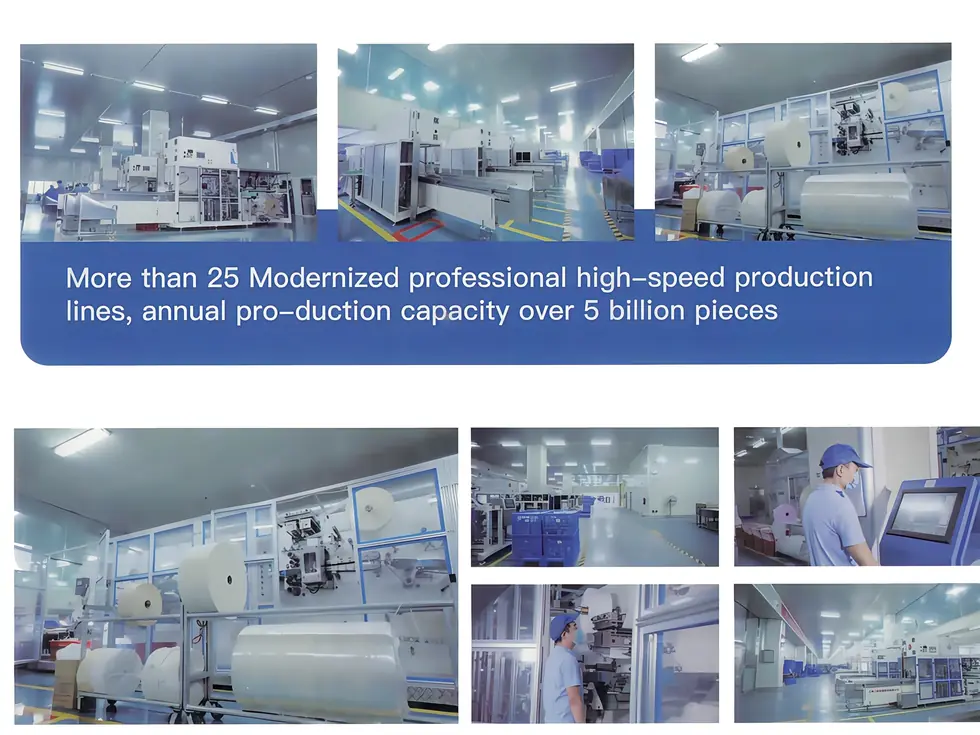
China's pad ecosystem is deep — converters, SAP suppliers, wrap printers, all next door. That's why lead times are short and problems get solved in days. SEA is building that base but it's younger; expect longer lead times and more "we're still qualifying that supplier" gaps.
Compliance: the hidden restart
Moving to SEA means re-qualifying under a new regime — BPOM for Indonesia, TFDA for Thailand, and so on — even if the product is identical. The certificates don't travel with the factory. Budget the requalification as a project, not a footnote.
| China | Southeast Asia | |
|---|---|---|
| Piece cost | Low at volume (mature) | Can be higher (younger base) |
| Lead time | Short, deep supply base | Longer, building base |
| Duty edge | Weak for FTA markets | Strong where FTAs apply |
| Compliance | Existing certs | Re-qualify per market |
Practical rule: decide on landed cost including duty, not ex-works labour. If an FTA makes SEA-origin goods materially cheaper at the border, the shift can pay. If not, you're trading a fast compliant line for a slower, often pricier one — and a compliance restart you didn't budget.
Frequently asked questions
Is Southeast Asia cheaper than China for pad manufacturing?
Not automatically. Pad cost is driven by materials and scale, not labour, and a younger SEA plant often has weaker material terms and lower efficiency — so the piece price can be higher. The real saving, where it exists, comes from duty advantages under free-trade deals, not the labour rate.
What's the hidden cost of moving production?
Re-qualification. Moving the factory means re-certifying the product under each market's regime (BPOM, TFDA, etc.) even if the pad is identical — the certificates don't travel with the line. Budget that as a project, not a footnote.
When does shifting to SEA actually make sense?
When an FTA makes SEA-origin goods materially cheaper at the border for your target market, and you've run the full landed-cost math including duty and requalification. Without that duty edge, the trade is usually slower and often pricier.
Run the Landed-Cost Math Before You Move
Weighing China vs Southeast Asia? Tell us your target markets and volumes, and we'll model the OEM pad program on landed cost — ex-works, duty under the relevant FTAs, and requalification per market — so the shift is a decision, not a guess. A tailored quote follows once we know your footprint and timeline.
Photos
Send a sampling brief for China vs Southeast Asia Pad Manufacturing: Cost, Lead Time and Compliance
Tell Nafei your target market, size range, absorbency preference, packaging artwork status and estimated order plan. Our team can reply with sample discussion and quotation details.
- Target market and sales channel
- Size, pack count and material preference
- Private label artwork or packaging reference
- Sample review, quantity and delivery timeline