Why Softness Alone Does Not Define Sanitary Pad Comfort
2026-06-15
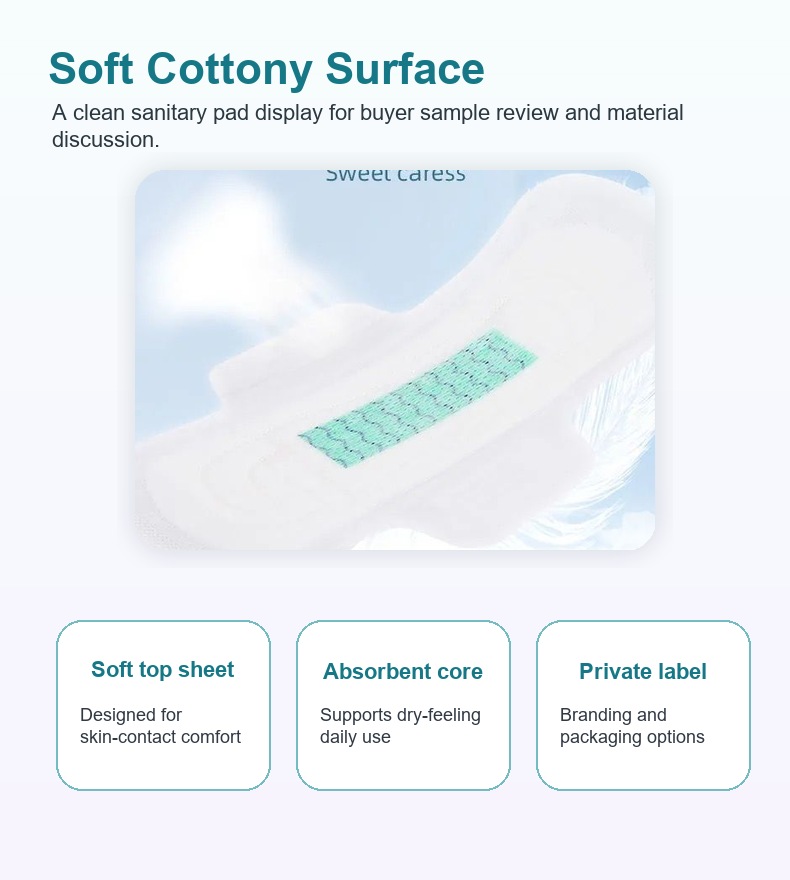
Softness is one of the first things a buyer notices when touching a sanitary pad sample. It matters, but it should not be treated as the only definition of comfort. A surface can feel soft before use and still fail the target channel if moisture remains on the top sheet, the acquisition layer is slow, or the core structure does not match the use scenario.
For OEM and private label sanitary napkin projects, comfort should be reviewed as a system. Buyers need to connect top sheet feel, surface dryness, fluid handling, absorbent core design, pad length, packaging wording and the final approved sample.
Why Softness Alone Can Mislead Sample Review
A very soft surface may support a gentle first touch, but sample review should continue after liquid transfer and movement checks. If the surface holds wetness for too long, the user may describe the product as uncomfortable even when the hand feel is pleasant.
This is why buyer communication should avoid simple claims such as ?extra soft? without explaining what else has been reviewed. A stronger B2B description connects softness with dryness, acquisition speed, rewet control and the intended day-use or night-use scenario.
Comfort Review Checklist for Sanitary Pad Buyers
| Review area | What buyers should check |
| Top sheet | Hand feel, texture, skin-contact softness and visible surface structure |
| Surface dryness | Whether the top layer feels dry after liquid transfer in sample review |
| Acquisition layer | How quickly liquid moves away from the surface into the inner structure |
| Absorbent core | Thickness, target capacity, shape stability and use-scenario fit |
| Backsheet | Flexibility, noise level, breathable feel and packaging claim support |
| Claim wording | Whether comfort and dryness wording matches the approved sample |
How Topsheet and Fluid Handling Work Together
The top sheet is only one part of the structure. A buyer should also ask how the acquisition layer and absorbent core support the surface feel. If liquid cannot move down efficiently, the top sheet may stay damp and reduce the comfort impression.
In practical OEM work, a supplier and buyer should review the sample before deciding final packaging words. The goal is not to make every claim larger, but to make each claim easier to support with the approved sample and specification sheet.
Questions to Ask Before Approving Packaging Claims
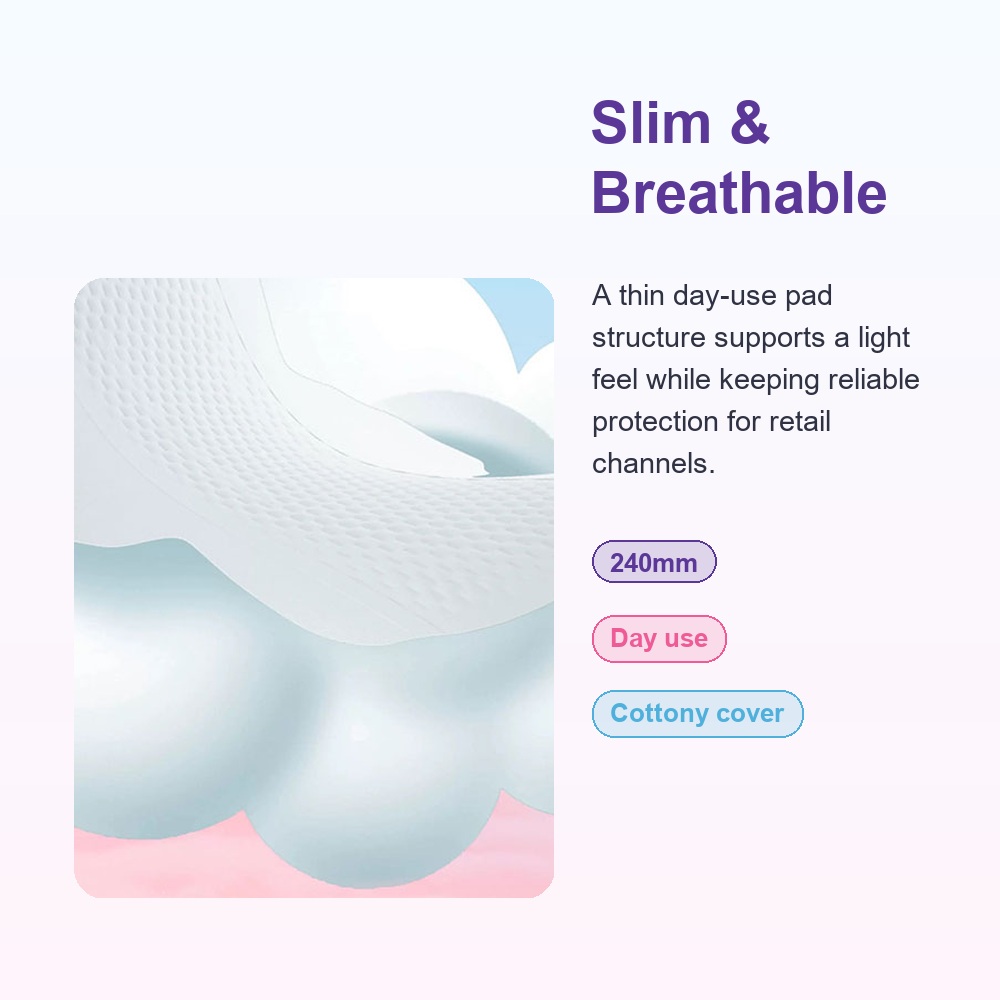
Packaging and website copy should translate sample facts into clear buyer language. If a pad is positioned as soft, slim or breathable, the buyer should confirm which material structure and sample observations support those words.
Useful RFQ notes include pad length, wing design, top sheet type, absorbent core direction, wrapper style, pack count, carton information and destination-market wording. This makes the final content more credible than broad comfort promises.
Internal Links for OEM Planning
Related pages for follow-up reading: Sanitary Napkins, Private Label Sanitary Pads, Custom Sanitary Pad Packaging, and Contact Nafei.
FAQ for Buyers
Is a softer sanitary pad always more comfortable?
No. Softness is important, but buyers should also review surface dryness, liquid transfer, core stability, backsheet feel and the final use scenario.
What should be checked before using dryness wording?
Buyers should review the approved sample after liquid transfer and confirm whether the top sheet, acquisition layer and core structure support the wording.
Can comfort claims be used on private label packaging?
Yes, but they should be careful and sample-based. Packaging wording should match the approved material, specification sheet and buyer channel requirements.
Nafei can discuss sanitary napkin OEM projects based on buyer specifications, real product materials, sample review and private label packaging requirements.
Recommended Sanitary Pads OEM Path
This article belongs to the sanitary pads OEM and material review topic cluster. Buyers should review topsheet, acquisition layer, absorbent core, comfort wording, packaging and private label requirements together.
- Sanitary Pads OEM Manufacturer for day-use, overnight and ultra-thin pad options.
- Private Label Sanitary Pads for sample approval, brand planning and pack count decisions.
- Custom Sanitary Pad Packaging for wrapper, retail bag and carton mark details.
- Request Sanitary Pad Samples with surface, absorbency, size and packaging requirements.
FAQ Link Path for Buyers
What should sanitary pad buyers confirm first?
Confirm product use scenario, surface preference, absorbent structure and packaging claims before asking for final quotation.
Turn this guide into an OEM brief
Share your product direction, target market, packaging idea and sample questions. Nafei can help translate the buying guide into a practical RFQ discussion.
- Product type: period pants, sanitary pads or mixed OEM project
- Target country, channel and buyer positioning
- Size range, material preference and sample review focus
- Private label artwork, pack count and estimated quantity