Sanitary Pad Length Mix Planning for Day and Night Private Label Packs
2026-07-14
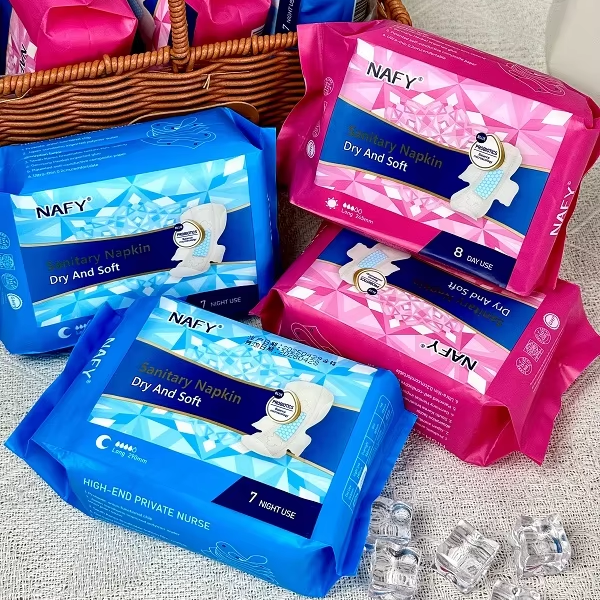
A day-and-night sanitary pad pack is not only a packaging decision. The length mix, piece count and product identification should be reviewed together so the retail message matches the physical contents. For private label projects, buyers should begin with a channel and user-scenario brief, then confirm each pad specification through samples before approving the printed pack.
Define the Role of Each Length
Day-use and night-use positions are commonly separated by length, shape and buyer expectation, but a number alone does not describe the complete construction. Ask the supplier to identify the proposed length, width direction, wing shape, thickness, surface feel and absorbent-core arrangement for every item in the mix. If multiple lengths are packed together, assign a distinct sample code to each one.
Plan the Piece Count Around the Channel
A distributor carton, supermarket retail pack and e-commerce trial pack may require different piece-count logic. Buyers should state the target retail price position, expected use cycle, shelf-space constraints and carton quantity. The final piece count should be confirmed against product dimensions and pack structure rather than copied from an unrelated reference pack.
Review Samples as a Set
Evaluate the day and night samples under the same review method. Record dimensions, surface feel, wrapper identification, wing placement, adhesive-area direction and pack fit. The purpose is to understand whether the two items form a coherent range while still being clearly distinguishable during use and packing.
Check Individual Wrapper Identification
When two lengths share one retail bag, individual wrappers should help the user and packing team tell them apart. Review color coding, printed length reference, opening direction and visual consistency with the outer artwork. Wrapper copy should remain clear after sealing and folding, and any change should be included in the artwork approval record.
Match Artwork to the Approved Contents
The front, back and side panels should state the correct size or length, quantity and product description. Barcode placement, destination language, importer details and carton marks may require buyer input. Before printing, compare the artwork proof with the sample sheet and packing list line by line. This step reduces the risk of an older piece count or length returning in a later file.
Use Sample-Based Performance Wording
Packaging can describe the construction and intended use direction, but wording should stay within what the approved sample and available documentation support. Phrases such as soft surface feel, ultra-thin direction, winged design, day-and-night combination and private label packaging support are easier to review than absolute promises. Claims that imply health effects or universal results require separate substantiation and market review.
Confirm Carton and Export Details
Ask for the proposed units per carton, carton dimensions, gross and net weight fields, shipping marks and pallet preference if applicable. These details affect landed-cost calculations and warehouse planning. handle early carton figures as estimates until the retail pack, film thickness and final piece count are approved.
Build a Repeat-Order Specification
The repeat-order record should include sample codes, pad dimensions, wrapper versions, retail artwork, piece-count table, carton marks and dated approvals. When a market requests a different language or pack count, create a new version instead of editing the only master file without a revision trail.
Review Related Nafei Options
Buyers can explore the sanitary napkin category, review a day-and-night wholesale reference, compare the full hygiene product range, and submit pack requirements through the contact page.
Buyer FAQ
Is length enough to compare sanitary pads? No. Width, shape, wings, thickness, surface and core construction should also be reviewed.
Can one pack contain several specifications? A combination can be discussed, but each item and the total piece count should be clearly documented.
When should carton data be finalized? After the product, retail pack and piece count are approved, followed by a packing confirmation.
Buyer Review Table
| Review point | Buyer should confirm | Factory should clarify |
|---|---|---|
| Product direction | Product type, use scene, size and pack count | Base sample, available adjustment range and quote basis |
| Packaging file | Retail wording, barcode, carton mark and final artwork version | File naming, approval flow and production handover point |
| Sample feedback | Fit, surface feel, package format and buyer comments | Which points can be adjusted before bulk order |
| Order planning | Target market, first order estimate and reorder rhythm | Lead time, carton planning and communication checklist |
OEM Buyer FAQ
What details should be sent before sample discussion?
Send product type, target market, intended use scene, size range, pack count, artwork direction and any reference photo that helps explain the project.
Can the sample be adjusted before bulk order?
Yes. Sample review is the right stage to discuss fit, surface feeling, pack format, carton details and buyer-facing wording.
How should buyers avoid artwork confusion?
Use one dated final file name, keep old versions archived, and confirm retail pack, carton mark and barcode files together before production handover.
Turn this guide into an OEM brief
Share your product direction, target market, packaging idea and sample questions. Nafei can help translate the buying guide into a practical RFQ discussion.
- Product type: period pants, sanitary pads or mixed OEM project
- Target country, channel and buyer positioning
- Size range, material preference and sample review focus
- Private label artwork, pack count and estimated quantity