Malaysia Sanitary Pants Market: A Practical OEM Sourcing Guide
2026-06-06
A distributor in Kuala Lumpur once told me his first "local factory" order fell apart in two months — the pants looked fine on the sample, then leaked for half his customers once the monsoon humidity set in. He'd bought a spec that worked in a dry showroom, not in a tropical country. That's the first lesson about the Malaysian market: climate isn't a footnote, it's the spec.
Humidity is the real test
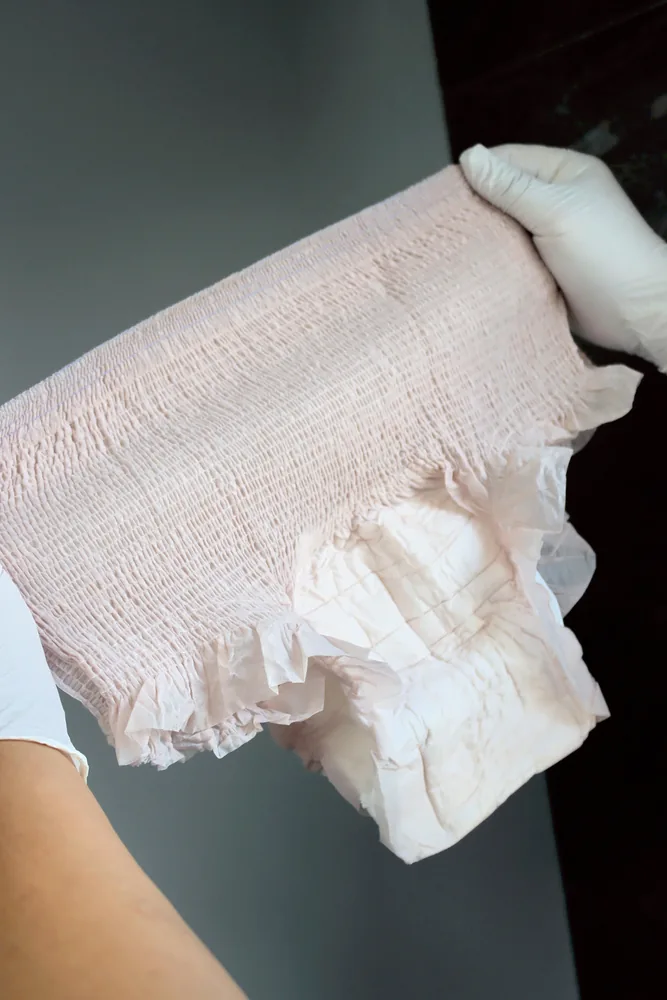
Malaysia sits at roughly 80% annual relative humidity. A topsheet that feels breathable in a European lab can go clammy fast here. When we spec for SEA buyers we lean on the breathable material choices that actually move vapor, not just the ones that photograph well. If a supplier can't tell you the basis weight and air permeability of their topsheet, they're guessing.
You're not buying pads for a climate chart. You're buying them for the worst week of August in Penang.
The halal question (and what it really means)
A lot of Malaysian retail buyers ask about halal certification on the finished product. Here's the honest part: certification sits with the brand/importer and the finished good, not with the pad factory alone. As an OEM we can document material traceability and produce in a controlled facility, but the halal mark on the pack is your certification to obtain with your import agent. Anyone who tells you the factory "is halal" without explaining the chain is hand-waving.
Local trader vs China OEM cluster
Malaysia has its own converters, but most volume still flows through the Chinese manufacturing cluster — same reason the rest of the world sources there: the nonwoven, SAP, and elastic suppliers are next door to the line. That shortens lead times and makes spec changes cheap. A "local" supplier who subcontracts to China is just adding a margin layer. Ask directly who runs the line and where the SAP comes from — we cover the inbound-log test in our manufacturer vetting guide.
MOQ reality for market entry
For a new brand entering Malaysia, a sensible first run isn't a container of one SKU — it's a mixed load covering daytime, overnight, and a teen size, enough for 6–8 weeks of sell-through. That keeps cash free and lets you learn which pack count Malaysians actually grab. We laid out the reorder math in the reorder baseline article; the same logic applies to pads.
If you're weighing where to land your sourcing, start with the OEM capability overview and a sample-first rule. The sample is the only honest thing a supplier produces.
Do I need halal certification to sell sanitary pants in Malaysia?
For modern trade and pharmacy retail, many buyers expect it; for online and informal channels, it's less strict. The certification belongs to the finished product and is obtained by the brand/importer. Talk to your Malaysian import agent early — don't assume the factory covers it.
Why does humidity matter so much for pad specs?
High humidity slows evaporation from the surface. A topsheet with poor air permeability traps warmth and moisture against skin, which feels clammy and raises complaint rates. Breathability (air permeability, basis weight) is the spec that matters most in tropical markets.
Is it better to use a Malaysian converter or a China OEM?
If the converter runs its own line and controls materials, it can be convenient. But most small converters subcontract to China anyway. Compare total landed cost and spec control, not the flag on the invoice.
What's a realistic first MOQ for the Malaysian market?
Enough for 6–8 weeks of forecasted sell-through across 2–3 SKUs, not a full container of one variant. Mixed loading lets you test assortment without betting the warehouse.
Turn this guide into an OEM brief
Share your product direction, target market, packaging idea and sample questions. Nafei can help translate the buying guide into a practical RFQ discussion.
- Product type: period pants, sanitary pads or mixed OEM project
- Target country, channel and buyer positioning
- Size range, material preference and sample review focus
- Private label artwork, pack count and estimated quantity