
Retail Pack and Master Carton Data Checklist for Menstrual Pants Orders
2026-07-15
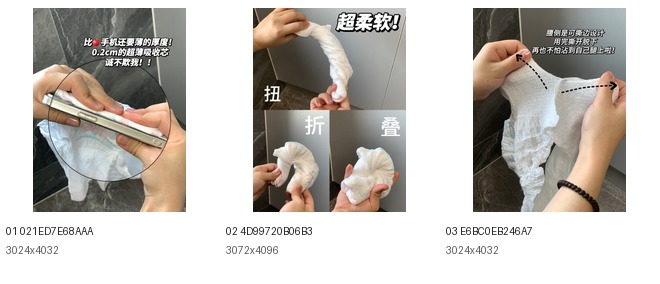
Retail packaging and master-carton planning are connected decisions in a private label menstrual pants order. Piece count, folded product thickness, bag material, seal areas and carton arrangement affect dimensions, weight and logistics estimates. Buyers should use early figures as planning data and confirm final values after the product and pack structure are stable.
Start With the Approved Product
Record the product sample code, size, folded dimensions, individual wrapper and intended retail piece count. A change in waistband, core thickness or folding method can change the packed volume. Do not finalize carton information from artwork alone.
Confirm Retail Piece Count
Define pieces per retail bag and whether the pack contains one size or a size combination. If different markets use different counts, assign separate product and artwork codes. The visible quantity statement must match the physical packing table.
Review Bag Dimensions and Material
Confirm the proposed finished width, height, gusset, handle or opening feature, seal area and printing material. Check how the filled pack stands, stacks and displays. A digital dieline should be followed by a filled sample or suitable physical proof when possible.
Connect Size Labels Across Packing Levels
Use consistent size, color and item codes on the individual wrapper, retail bag, inner pack and carton. Avoid systems that are easy to confuse after cases are opened in a warehouse. For mixed-size projects, document the exact quantity of each size.
Build the Carton Packing Table
Record retail bags per carton, arrangement, carton dimensions and gross and net weight fields. Confirm whether inner bags or dividers are used. Logistics estimates can begin earlier, but final data should be checked against a packed carton from the approved configuration.
Review Shipping Marks
Common fields include buyer item code, product name, size, quantity, carton number, destination and handling information. Market or customer-specific requirements should be provided by the buyer. Keep shipping-mark artwork under version control with the retail files.
Check Pallet and Container Assumptions
If palletization or container loading is discussed, state whether the calculation is estimated or based on a confirmed carton. Allow for operational spacing, pallet limits and destination requirements. Avoid presenting a theoretical maximum as a fixed loading quantity.
Lock Data Before Mass Packing
Conduct a final comparison between the purchase order, approved product, retail artwork, packing table and carton marks. Close open comments and archive the dated approval. Repeat orders should reference this complete set, with a new revision created for any change.
Plan Packaging With Nafei
Compare menstrual pants options, browse the full product range, review related sanitary pad packaging directions, and send target piece count and delivery information through the contact page.
Buyer FAQ
When can final carton dimensions be confirmed? After the product, fold and retail pack are stable.
Can one carton mark cover several sizes? It is safer to identify each packed configuration clearly.
What should a repeat-order archive contain? Product code, artwork, packing table, carton marks, photos and approval records.
Buyer Review Table
| Data item | Why it matters |
| Retail pack count | Controls shelf display, consumer price point and carton packing calculation. |
| Master carton size | Affects shipping estimate, warehouse handling and distributor planning. |
| Version control | Keeps purchase order, artwork, packing table and final product data aligned. |
OEM Buyer FAQ
When should carton data be finalized?
Finalize it after product size, folded thickness, retail pack and carton material are confirmed.
Can buyers rely on early loading estimates?
Early figures are planning references; final logistics data should follow confirmed production packing.
What files should be shared before mass packing?
Share approved artwork, barcode, carton mark, pack count, carton size target and destination requirement.
Turn this guide into an OEM brief
Share your product direction, target market, packaging idea and sample questions. Nafei can help translate the buying guide into a practical RFQ discussion.
- Product type: period pants, sanitary pads or mixed OEM project
- Target country, channel and buyer positioning
- Size range, material preference and sample review focus
- Private label artwork, pack count and estimated quantity