
Sanitary Pants 'Comfort Design' Claims: How to Verify Them
2026-06-06
Every catalog says "comfortable." Half of them mean it; the other half mean "we printed the word comfortable." As a buyer you can't test comfort by reading a brochure, but you can test whether the claim is backed by a design decision. Here's how we tell the two apart on our own line — and how you should too.
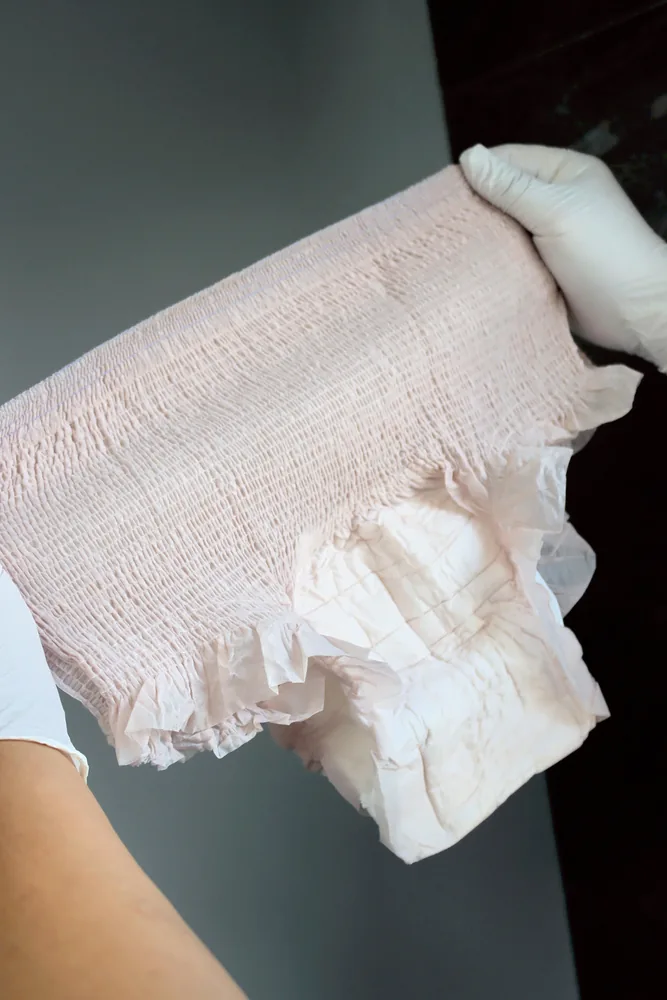
"Soft" is a number, not an adjective
When a supplier says the topsheet is soft, ask for the denier and the hydrophiic treatment. A finer denier feels softer against skin; a coarse one traps more humidity and feels clammy. We wrote about the coarse vs fine denier tradeoff because "softest" and "driest" pull in opposite directions. A claim with no number behind it is decoration.
A comfort claim you can't trace to a spec is just a font choice.
The waistband is where comfort lives or dies
For pants, the waistband decides whether someone forgets they're wearing one or spends the day aware of it. "Comfortable waistband" should mean a measured elongation and recovery — how far it stretches and how well it returns. We verify it; a supplier who can't quote the elastic's recovery is guessing. The fit basics are in our sizing guide, but the elastic spec is the part most catalogs skip.
Breathability you can measure
"Breathable" is the most abused word in the category. It's an air-permeability number (mm/s through the film or backsheet). Ask for it. If the answer is a blank look, the claim is vapor. Our breathable materials article explains why that number, not the adjective, is what keeps skin happy in humidity.
A three-point comfort verification
- Topsheet denier and treatment — softness you can defend.
- Waistband elongation and recovery — the fit that actually lasts.
- Backsheet air permeability — the "breathable" that's real.
Any supplier who hands you all three without a chase is rare and worth keeping. The rest are selling adjectives. Open the conversation at the OEM overview.
How do I verify a "soft" topsheet claim?
Ask for the denier and the hydrophilic treatment. Finer denier feels softer but traps more humidity; coarser stays drier. A comfort claim with no number behind it is marketing, not engineering.
What does "breathable" actually mean in specs?
It's an air-permeability measurement (typically mm/s through the backsheet or film). Ask for the number. If the supplier can't produce it, the "breathable" claim is unverified.
Why does the waistband matter so much for comfort?
It's the part under constant tension against skin. Measured elongation and recovery decide whether the pant stays put without digging in. Most catalogs claim "comfortable waistband" and skip the elastic spec entirely.
Can I verify comfort without a lab?
You can verify the claims, if not the feeling: get the denier, the waistband recovery, and the air-permeability number. Those three tell you whether "comfortable" is designed or just printed. The in-hand feel still needs a worn sample, but the specs filter the fakes first.
Claims need a reality check
Comfort design is easy to claim and hard to fake. A waistband that looks soft in a photo can dig in after two hours if the elastic tension is wrong. The same goes for leg cuffs: too loose and they leak, too tight and they chafe. Real comfort comes from measured stretch curves and wear trials, not adjectives. When you evaluate samples, put them on and move around, then compare against the GB/T 39391 fit requirements. If irritation appears, remember most rashes are humidity, not allergy.
Turn this guide into an OEM brief
Share your product direction, target market, packaging idea and sample questions. Nafei can help translate the buying guide into a practical RFQ discussion.
- Product type: period pants, sanitary pads or mixed OEM project
- Target country, channel and buyer positioning
- Size range, material preference and sample review focus
- Private label artwork, pack count and estimated quantity