
Sourcing Chinese OEM Sanitary Pants for the Thai Market
2024-07-03
Thailand is one of those markets where the local brands are strong and the private-label window is real but unforgiving. Buyers who come to us usually aren't trying to out-spend the incumbents — they're trying to hit a price tier the big brands won't, without shipping a product that gets returned. That's a spec problem, not a marketing problem.
Thai buyers care about thinness — and that's a trap
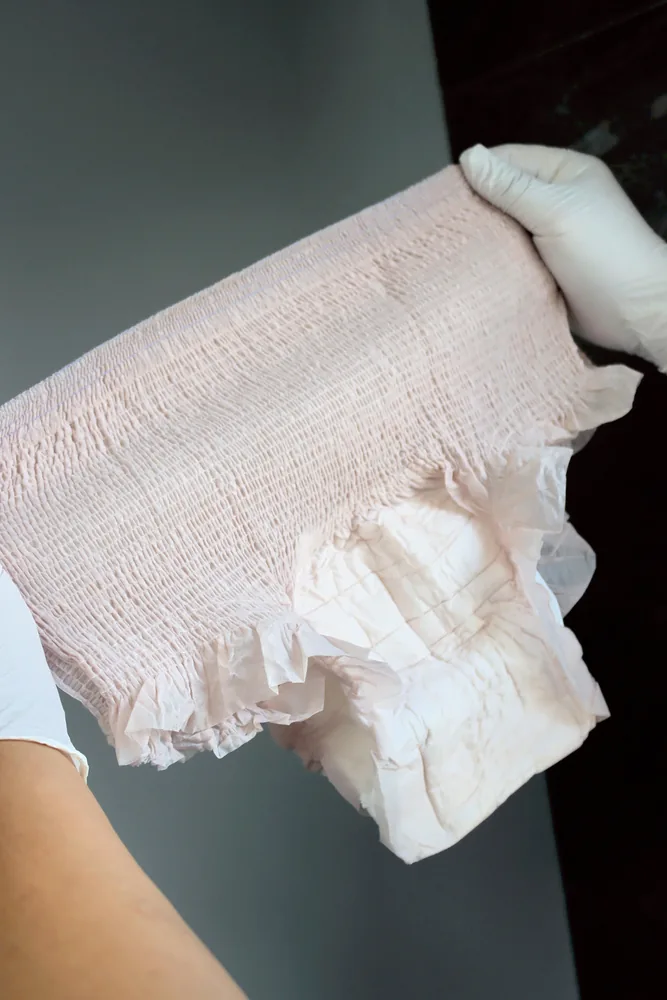
The local preference leans toward thin, discreet daytime protection. So suppliers race to shave millimeters. Thin is fine until you cut the SAP load to get there, and then absorbency drops and complaints climb. We'd rather hold the core's SAP grade and tune the compression so the pant stays slim without going hungry. If a quote brags "ultra thin" with no absorbency number attached, that's a red flag, not a feature.
Thin that leaks is just expensive. Thin that holds is engineering.
This is the same tension we wrote about in the absorbency-number article — a lower number on a better-structured core can beat a bigger number on a poorly designed one.
Registration and language
Thai FDA handles cosmetic/notified-product registration for feminine hygiene, and the label has to be in Thai. As an OEM we produce to spec and supply the test data and material docs your local registrar needs; the registration itself is the importer's step. Don't let a supplier promise "we handle Thai FDA" unless they're literally your in-country registrant — usually they're not.
Why the China cluster still wins for Thailand
Geography helps, but the real edge is the supplier ecosystem. When a Thai buyer wants to swap a topsheet or add a cooling variant, the turnaround depends on how close the material vendors sit to the line. In the Chinese cluster that's days; elsewhere it's weeks. We walk through the difference between a real R&D factory and a label because that's exactly what decides your change-order speed.
A sensible Thai entry spec
- Daytime slim pant + overnight variant, not just one hero SKU.
- Thai-language label proofed before the first run, not after.
- A sample approved against a retained golden unit, so mass production can't drift.
- Lead time quoted against your exact pack count, not a catalog default.
If you're scoping the project, the OEM overview and our sample deviation report are the two pages I'd read first.
Does the Chinese OEM handle Thai FDA registration?
Typically no — registration is the importer's responsibility in Thailand, and the factory supplies the technical file (test reports, material specs, manufacturing docs). If a supplier claims to "do Thai FDA," confirm they're actually your in-country registrant and not just handing you a template.
Why is thinness a trap for Thai buyers?
Cutting thickness by slashing SAP load undermines absorbency and drives returns. The goal is a slim profile achieved through core compression and structure, not by starving the absorbent material.
What documents does my Thai registrar need from the factory?
Material composition, SAP grade and basis weight, absorbency/rewet test data, and a manufacturing traceability statement. Get these in writing before you commit the registration fee.
How fast can I get a spec change turned around?
In a mature cluster, a topsheet or variant swap can move in days because material vendors sit next to the line. Elsewhere, weeks. Ask the supplier where their SAP and nonwoven actually come from — that answer predicts your change-order speed.
Turn this guide into an OEM brief
Share your product direction, target market, packaging idea and sample questions. Nafei can help translate the buying guide into a practical RFQ discussion.
- Product type: period pants, sanitary pads or mixed OEM project
- Target country, channel and buyer positioning
- Size range, material preference and sample review focus
- Private label artwork, pack count and estimated quantity