Planning Your Private-Label Menstrual Hygiene Product Line
2026-06-04
Most buyers don't fail because they picked the wrong factory. They fail because they tried to launch twelve SKUs on day one and ran out of cash on SKU nine. Product-line planning isn't glamorous, but it's the difference between a brand that compounds and one that clears a warehouse.
Start with the anchor, not the catalog
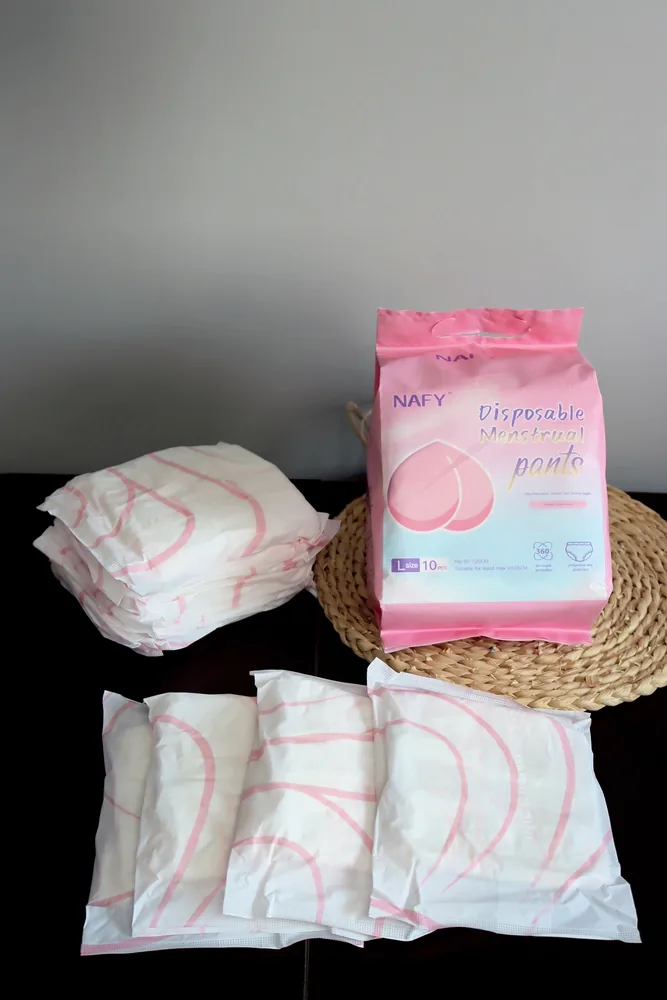
You need one hero product people recognize, then a small supporting cast. For menstrual hygiene that's usually a daytime pad or pant, plus an overnight variant. Resist the urge to also launch liners, maternity, teen, and postpartum in week one. Each SKU is inventory, registration, and a reorder commitment. We wrote about why a teen SKU needs its own spec — the point is every variant is a real engineering decision, not a checkbox.
A thin line that sells out beats a fat line that sits. Depth comes after proof, not before.
The spec ladder
Think of your line as a ladder, not a pile. Entry tier (price-sensitive, high volume), core tier (your reputation product), and a premium tier (the one that justifies margin with a real feature — a cooling topsheet, a thinner core, a better fit). The premium tier should earn its price with a spec difference, not a prettier box. Our topsheet denier article is a concrete example of a feature that's real versus one that's just words.
Plan the reorder before you plan the launch
The launch is the easy part. The second order is where brands die — they skip it to "let inventory breathe," then lose their line slot and re-order into a backlog. Build the reorder cadence into the plan from order one. The reorder baseline guide shows how to set the number so you're not guessing.
A minimal sane launch lineup
- Hero daytime pant or pad (core tier).
- Overnight variant (slightly higher SAP, different cut).
- One premium differentiator you can actually defend.
- A reorder trigger tied to sell-through, not the calendar.
From there, let sales tell you which SKU deserves a sibling. Talk to us early through the OEM overview so the lineup is buildable, not just drawable.
How many SKUs should I launch with?
Two to three: a hero product, one variant (usually overnight), and at most one defensible premium tier. More than that ties up cash and registration effort before you've proven demand. Expand after sales data, not before.
What makes a premium tier worth the margin?
A real spec difference — a thinner core that still holds, a cooling topsheet, a better fit — not just packaging. If you can't explain the feature in one sentence a customer believes, it's not premium, it's expensive.
Should I launch liners and maternity in the first batch?
Usually no. Each SKU is inventory, a registration step, and a reorder commitment. Prove the anchor sells before spreading the line thin. Add siblings when sales data points to the gap.
How do I avoid the second-order death trap?
Set a reorder trigger off sell-through from order one, and protect your line slot by reordering on schedule. Skipping the reorder to "let stock breathe" is how brands lose their slot and reorder into a backlog. The reorder baseline article has the math.
Turn this guide into an OEM brief
Share your product direction, target market, packaging idea and sample questions. Nafei can help translate the buying guide into a practical RFQ discussion.
- Product type: period pants, sanitary pads or mixed OEM project
- Target country, channel and buyer positioning
- Size range, material preference and sample review focus
- Private label artwork, pack count and estimated quantity